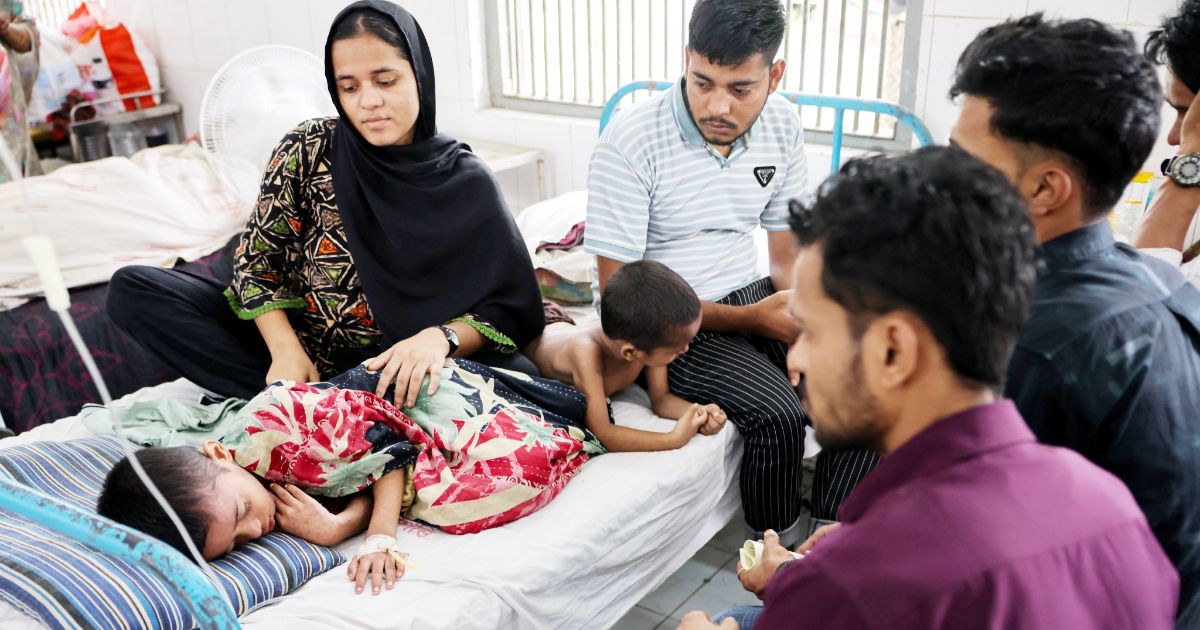
Bangladesh is struggling to contain the world’s worst measles outbreak. The World Health Organization reports 202,000 suspected cases between mid-March and October 9. Out of that total, 22,000 cases have been laboratory-confirmed. These figures represent the highest number of suspected measles cases reported by any country this year.
The highly contagious disease has claimed 1,147 lives. Data from the global health body shows that 94 percent of the reported fatalities occurred among children under five years of age. Experts say the crisis gives a clear warning about the deadly risks of falling immunization rates.
The WHO says preventing an outbreak through vaccinations is easier, cheaper, and safer than responding to an emergency. Mark Jit, a WHO vaccine adviser and professor at the NYU School of Global Public Health, stated that while a response will eventually stop the spread, many people will catch the disease and some will die in the meantime. Measles typically kills two or three people in every 1,000 cases, but malnutrition in poorer nations makes the virus far more deadly.
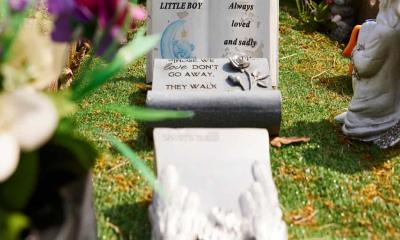
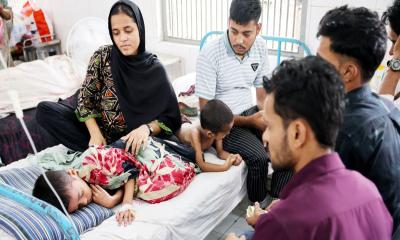
In the northeastern Sylhet region, two-year-old Arman Hossain died unvaccinated in July, just 24 hours after entering a hospital. His family paid for the treatment by selling their three-wheeled auto-rickshaw. His father, 26-year-old Amin Mia, said no health workers visited their remote village in time. They came only after he buried his son. In the same region, carpenter Humayun Rashid lost his nine-month-old daughter Labiba Akter in June. She remained unvaccinated despite an emergency program lowering the inoculation age to six months in April. Her father stated that no health worker informed them.
Bangladesh nearly achieved the 95 percent coverage required by the WHO to prevent outbreaks in recent years. UNICEF and WHO estimated that the nation reached 96 percent coverage for the first dose and 93 percent for the second dose in 2024. However, protests erupted that year and ended 15 years of rule by Prime Minister Sheikh Hasina. Political turmoil led to health worker strikes, delayed vaccine orders, and disrupted follow-up vaccinations.
By 2025, WHO and UNICEF estimates showed first-dose coverage dropped to 90 percent, while second-dose coverage fell to 86 percent. Reports also questioned official data quality from 2023 to 2025, showing preliminary figures sometimes exceeded 100 percent of targeted populations due to counting errors. In September, Bangladesh recorded a daily average of 1,198 new cases, the highest total since May.
The government launched an emergency vaccination drive in April and May that reached nearly 20 million children. Health Minister Sardar Md. Sakhawat Husain stated in May that the drive brought cases in hotspots almost to zero. Discrepancies soon emerged when another health intervention in June targeted four million more children than the measles campaign within the same age group. Prime ministerial adviser Hyder acknowledged a gap on September 14, pointing to parental vaccine hesitancy and child illnesses.
Internal documents from meetings in April and August between the government and health partners reveal preparation flaws. Due to time constraints, the government opted for a single round of readiness checks instead of the standard four rounds. Professor Mahmudur Rahman, an epidemiologist, noted that inadequate preparedness checks mean the poorest and hardest-to-reach children miss out on vaccines and pay the price. Former immunization leader Tajul Islam Abdul Bari stated that such campaigns usually demand months of planning rather than the four weeks used in April.
By August, meeting minutes confirmed that the proportion of confirmed measles cases among unvaccinated children remained virtually unchanged at 85 percent, compared to 82 percent before the campaign. Dr. Rajesh Narwal, deputy WHO representative to Bangladesh, stated the organisation is determined to support the government in vaccinating every child at risk.