Kenya responded to an imported Ebola case by mobilising national resources in the capital. But a suspected case in the northeastern county of Wajir raised questions on Tuesday about protection in remote areas.
The incident tested whether local health facilities far from major laboratories and transport hubs can safely manage infections.
The suspected case in Wajir involved a twenty-year-old man who travelled from the Democratic Republic of the Congo through Uganda before reaching his home on September 20. He sought care at Habaswein Subcounty Hospital after presenting with a severe febrile illness, and county officials confirmed his subsequent sample tested negative.
County officials stated that the man remained under observation while receiving medical care. Officials in Wajir said the county had established an isolation centre and formed a rapid response team to strengthen local readiness.
Garad Saney Mohamed, communications director for Wajir county, told reporters that the administration used radio campaigns, school health programmes, community health promoters and posters to raise awareness. He added that a preparedness plan and budget had been put in place.
However, the county did not provide details on the isolation centre capacity, the budget allocated, or the number of health workers trained specifically for Ebola. Wajir lies one hundred and ten kilometres from Somalia, making border movement and local surveillance critical.
Nationally, Kenya intensified its response after a patient who travelled from the Democratic Republic of the Congo through Uganda arrived in Nairobi on October 3. That patient was diagnosed with the Bundibugyo virus and died on October 5, with the World Health Organization notified on October 6.
Laboratory tests at the National Virology Reference Laboratory and the Kenya Medical Research Institute confirmed the infection. On October 14, the Ministry of Health confirmed a second case involving a thirty-nine-year-old male family member who developed symptoms while in quarantine.
The Ministry of Health reported that as of October 6, Kenya had screened 652,584 travellers, tested 267 samples, and trained 4,971 healthcare workers in Ebola prevention.
By October 12, the World Health Organization stated that over 665,000 travellers had been screened and 127 contacts listed. The organisation reported that Kenya’s national preparedness score rose from sixty-six percent in May to eighty-two percent in July.
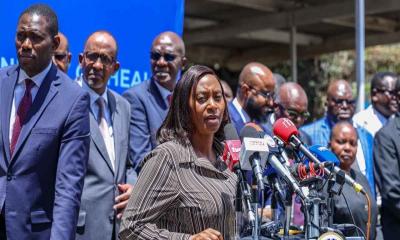
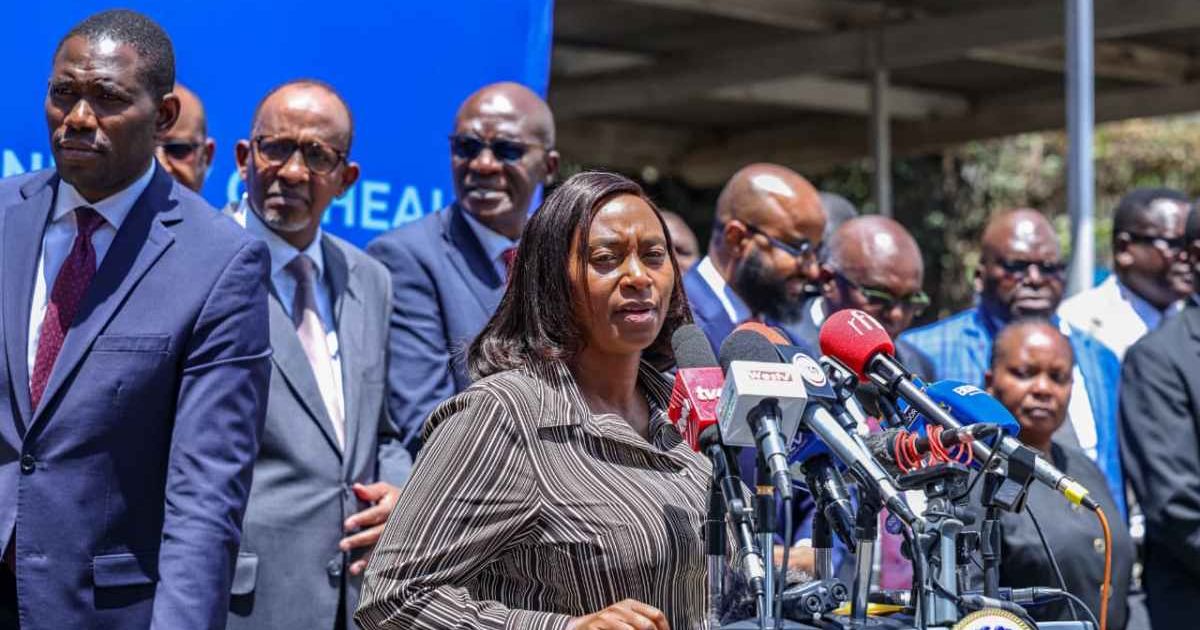
Dr Paul Olale, a representative of the Kenya Red Cross, discussed a preparedness assessment supporting public awareness and response efforts.