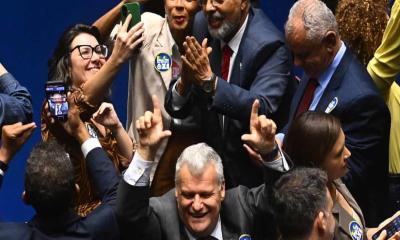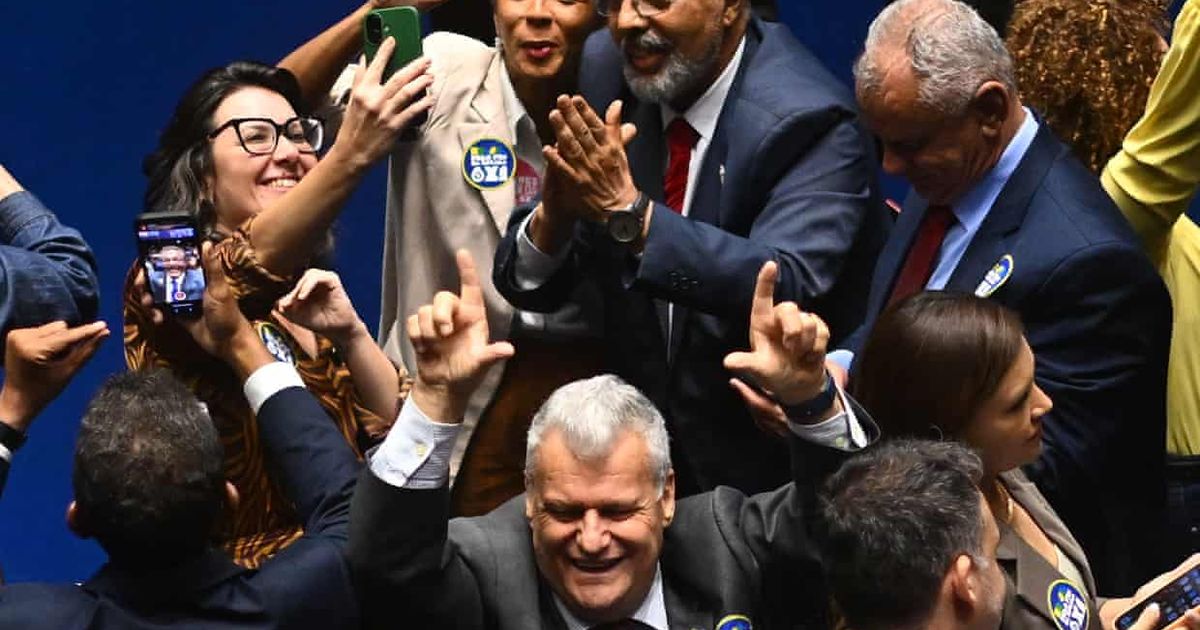
Brazil’s congress approved a constitutional amendment on Wednesday to shorten the working week to a maximum of 40 hours. The change affects more than 30 million workers and gives a political victory to leftist President Luiz Inacio Lula da Silva ahead of the presidential runoff in under two weeks.
Lula championed the amendment to overturn the first-round lead secured by his opponent, far-right senator Flavio Bolsonaro. The reform officially bans six-day workweeks, which are worked by 16 million people, while cutting maximum hours for millions more.
The change will impact workers in retail, restaurants and hotels. Most of these individuals are low-paid, a demographic where Lula lost support since the 2022 election against Jair Bolsonaro.
Flavio Bolsonaro opposed the shift for months before reversing course on Tuesday. He stated that the majority of Brazilian workers supported the measure. On Wednesday, he joined 75 senators who approved the reform, which passed the lower house in May.
The proposal originated as a TikTok movement called Life Beyond Work. A pharmacy assistant founded it, entered politics after its success, and Lula later embraced it. His party spent months pushing the Senate to schedule a vote, overcoming doubts after the far right secured a broad congressional majority for 2027.
Senate president Davi Alcolumbre put the proposal to a vote despite a rocky relationship with Lula. Flavio Bolsonaro’s party considered blocking the bill, but polls showed over 70 percent of the general population and more than half of the senator’s voters backed the change.
In May, Bolsonaro argued the proposal could cause mass unemployment, an argument raised by employers’ associations. Voting remotely while campaigning in the south, Bolsonaro said on Tuesday that he supported an alternative proposal where pay would be based on hours actually worked.
The Folha newspaper reported that Bolsonaro told business leaders he would review parts of the new amendment if elected. Several allied senators echoed this point during Wednesday’s vote.
Victor Escobar, a researcher at the Laboratory of Parties, Elections and Comparative Politics, stated that the approval could benefit Lula’s re-election campaign. Voters would feel more economically relieved by a change in their working schedule, he said.
Marilane Oliveira Teixeira, a researcher at the University of Campinas, said evidence shows having only one day off harms workers. A six-day schedule prevents a minimum level of social life, leading to illness, workplace risks and exhaustion, especially for women carrying the burden of unpaid domestic work.
Lilian Cristo dos Santos, a 50-year-old saleswoman at a home appliances shop in Salvador, Bahia, works with only one day off. She said there is no time to visit the doctor, the beach or the salon, or to study. On her only day off, she cleans the house and looks after her family.
Lula also announced benefits days before the vote, including debt relief for microentrepreneurs. He published a letter to evangelical Christians stressing his commitment to ensuring everyone has two days off a week.
Escobar noted that the race is tangled and tied with an advantage for Bolsonaro, but remains an open election.