Harsh winter weather could reverse the fragile improvements to food security achieved in the embattled Gaza Strip, United Nations agencies warned on Tuesday. Funding shortages and Israeli restrictions on aid deliveries threaten efforts to provide food and shelter for displaced families.
The International Organization for Migration and the World Food Programme said the gains depend largely on humanitarian assistance rather than improvements in local food production or markets. Severe seasonal weather is now damaging shelters and spoiling food supplies, increasing pressure on families struggling to meet basic needs.
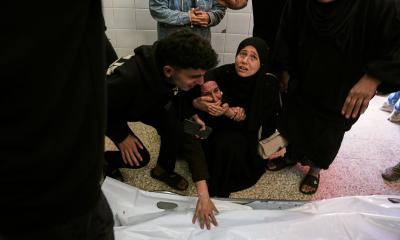
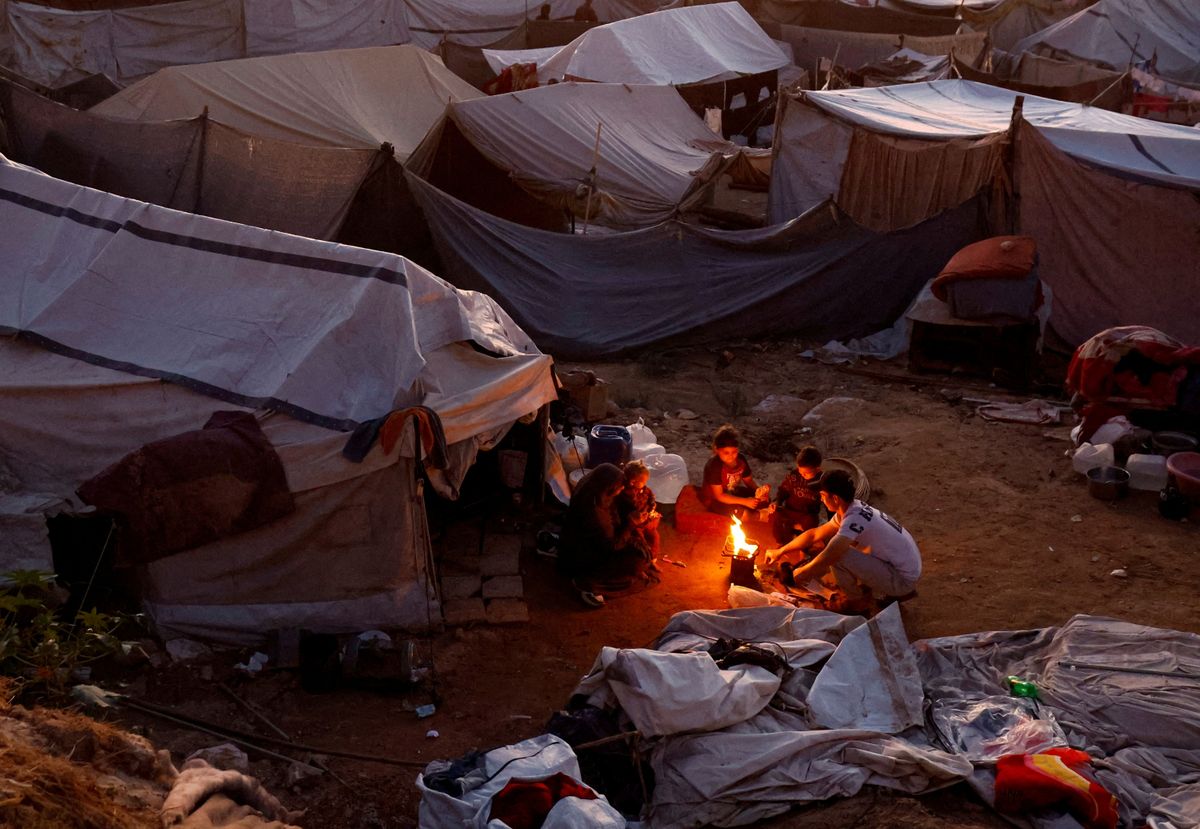
More than 1.7 million people are displaced in Gaza, 1.4 million face acute hunger, and nearly 2 million need shelter assistance. Families face sleepless nights as winter sets in.
“Unless we get immediate support to scale up the humanitarian response, we risk this becoming not only a shelter crisis but also a deeper food security crisis,” said Shaun Hughes, the WFP country director for Palestine.
Funding shortages have forced the WFP to reduce hot meals to one every other day and cut food parcels and cash assistance. Flooding has destroyed household food supplies, and sewage contamination poses health risks.
Supplies of gas and firewood for cooking are scarce and unaffordable, forcing many families to burn garbage to prepare meals. With 80 percent of the population unemployed, households have few resources to replace lost supplies or buy nutritious food.
The WFP faces a $436 million funding gap over the next six months as it attempts to aid 2 million people across the Palestinian territories. Up to 1.9 million people, or 90 percent of Gaza’s population, could face acute food insecurity by the end of this year unless aid is sustained, according to the latest Integrated Food Security Phase Classification assessment.
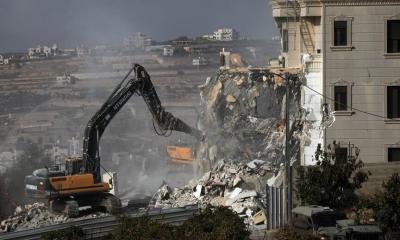
Deteriorating shelters compound these threats. At least 40,000 shelters have been damaged or destroyed since early November alone, and emergency stocks are running out.
“Displaced families in Gaza need the basics to get through this winter: a shelter that won’t flood, blankets and clothing to protect children, and fuel to cook warm meals,” said Karl Baker, the International Organization for Migration regional crisis coordinator.
His organisation needs $173 million to sustain its shelter response, including tents, tarpaulins, blankets and repair materials. It requires another $9 million for site management and improvements such as drainage channels, lighting and community heating points. The entire population of Gaza has been forced into an area making up less than 40 percent of the territory, and more than half of the 1,700 displacement sites are in flood-prone areas.
Israeli restrictions on aid deliveries hamper the response. Kerem Shalom is the only authorised crossing point for humanitarian and commercial goods entering Gaza, increasing transport times and costs.