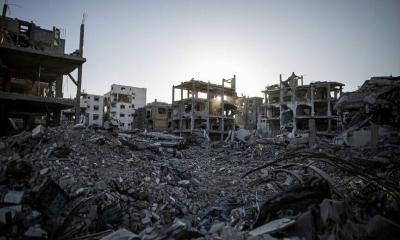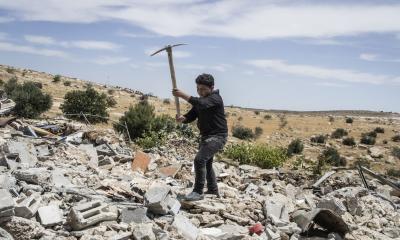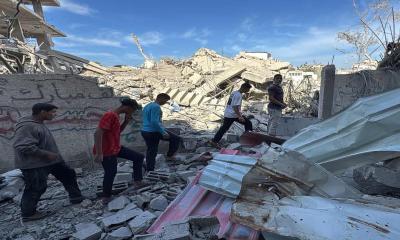
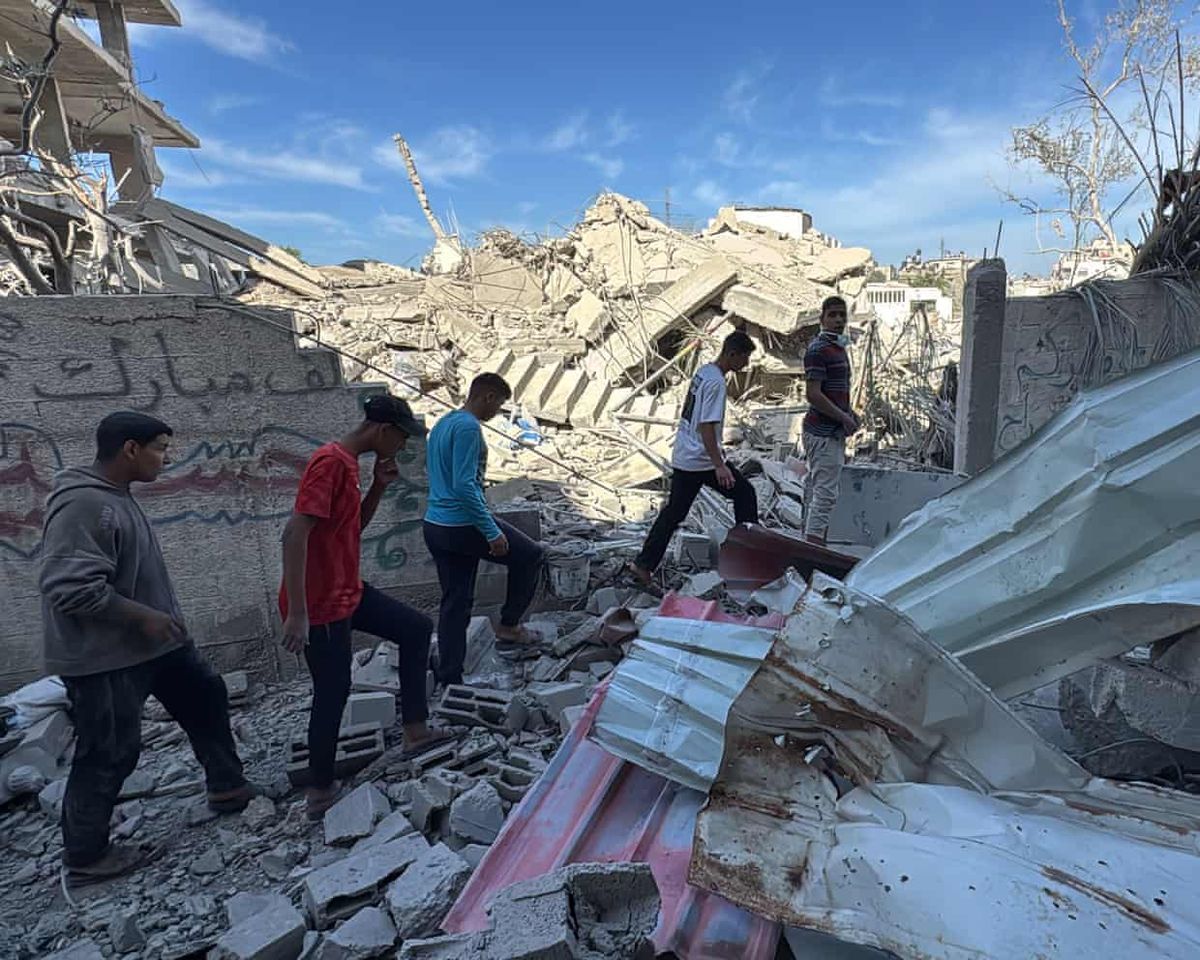
Israel’s military assault on Gaza has left a devastating environmental legacy. Poisoned water, contaminated soil and toxic air now threaten the life-support systems the population depends on for survival, a new report shows.
The report by Oxfam and the Conflict and Environment Observatory finds the campaign created widespread contamination across the entire strip. Heavy metals, explosive residues, asbestos from destroyed buildings and sewage have made the air, soil and water dangerous for Palestinians for decades.
Amitabh Behar, the executive director of Oxfam International, said Israel’s ongoing actions in Gaza include military assaults on its environment. He described them as environmental war crimes threatening life now and for generations to come.
He stated that the destruction and contamination of Gaza have fundamentally degraded the conditions necessary for human safety and survival. These actions breach Israel’s legal obligations under international humanitarian and human rights law.
Palestinians living in Gaza are exposed to toxins through air, food, water and direct contact with contaminated soils and debris, according to Behar. He warned these risks will persist unless clean-up, remediation and recovery actions are prioritised.
The Oxfam report details what it calls a toxic wasteland created by the Israeli assault. The military campaign has killed more than 74,000 Palestinians and wounded at least 175,000, while thousands remain unaccounted for under the rubble.
Using satellite imagery, remote sensing, scientific analysis and other open-source data, the report concludes that contamination in the territory is severe and consequential. It carries serious implications for public health and civilian survival.
Behar said it is horrifying to understand the extent of toxic contamination faced by the population, who can neither escape nor protect themselves properly from the dangers. In an area as small and densely populated as Gaza, continuous exposure is inevitable. People are surrounded by waste and sewage, which spreads pests and raises the risk of disease.
Raw sewage is pouring into the sea and leaking into the ground. The destruction of Gaza’s sanitation systems leaves people with little protection from the contamination around them, with children and pregnant women facing the highest risks.
The UN Environment Programme estimates the military operations have generated more than 61m tonnes of debris across the territory. This has turned destroyed homes, neighbourhoods and infrastructure into a vast reservoir of potentially hazardous materials.
Lama Abdul Samad, a global water and sanitation specialist at Oxfam and author of the report, said tackling the environmental damage will be highly challenging because contamination is dispersed across urban rubble, farmland, water systems and soils. Unexploded ordnance continues to restrict safe access to most areas.
The analysis shows an urgent need for Israel to grant access for a detailed environmental assessment on the ground to clarify risks to public health and identify harm-reduction measures, Samad said. Restoration will require extensive clearance, monitoring and specialised remediation of affected areas from contaminants such as explosive residues, organic pollutants and heavy metals.
Behar stated that as international attention turns to Gaza’s reconstruction, environmental recovery must not be treated as an afterthought. Rebuilding the territory without addressing the extent of environmental contamination risks creating long-term public health consequences.