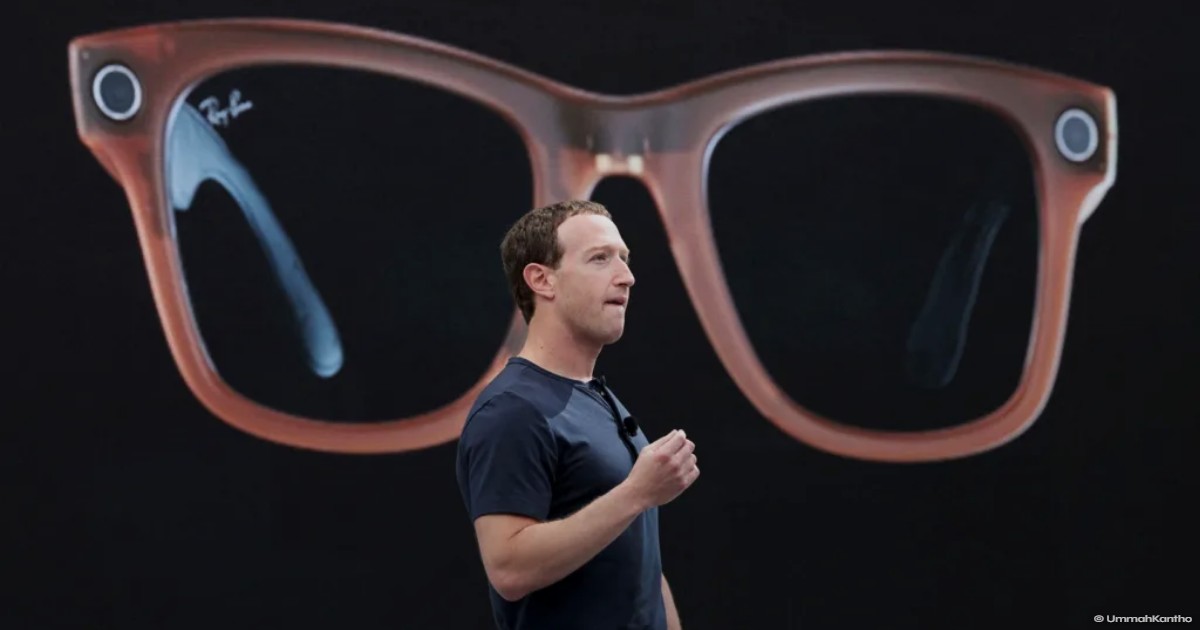
The rise of the new generation of smart glasses is bringing a long-debated privacy crisis to the forefront of global technology. While industry giants like Meta are celebrating record-breaking sales, reports of non-consensual filming and ethical breaches are mounting. According to reports from Reuters and the BBC, a growing number of women have reported being approached by individuals wearing Meta`s Ray-Ban smart glasses, only to later find videos of their interactions uploaded online without their knowledge. This trend has highlighted a significant legal gap, as public photography remains broadly legal in many jurisdictions, leaving victims with little recourse.
Meta currently dominates the nascent market, accounting for more than 80 percent of all AI or smart glasses sales. The partnership with EssilorLuxottica has allowed Meta to package high-tech cameras and speakers within the classic, unobtrusive look of Ray-Bans. This design, while aesthetically pleasing, has enabled a culture of stealth surveillance. Mark Zuckerberg, Meta’s chief executive, recently noted that these glasses are among the fastest-growing consumer electronics in history, with over seven million pairs already sold. However, the convenience of the device is increasingly overshadowed by its potential for misuse in public spaces.
The controversy surrounding the device extends beyond public harassment into the realm of data privacy. Two separate lawsuits have been filed against Meta involving workers in Kenya who were tasked with reviewing video data for AI training. These workers alleged they were exposed to graphic content, including sexual acts and private bathroom usage, recorded through the glasses. One lawsuit claims that users were entirely unaware that such sensitive footage was even being captured, while the other asserts that users did not know their videos were being shared for human review. Meta has defended its practices by stating that terms of service inform users of possible human review under certain circumstances.
Despite these legal and ethical challenges, the tech industry is preparing for a massive expansion in the smart glasses category. Apple is reportedly developing its own wearable, expected to launch as early as next year, while Snap is preparing a new version of its "Specs" device. Even Google is eyeing a return to the field, more than a decade after the commercial failure of Google Glass, which was pulled primarily due to privacy concerns. As artificial intelligence and augmented reality become more integrated into daily life, cameras on eyeglasses are becoming a standard feature that the public may have to accept.
From a user perspective, the appeal of smart glasses is often rooted in simple convenience rather than high-tech surveillance. Early adopters like Mark Smith, a partner at the advisory firm ISG, use the glasses daily for hands-free calls and listening to audio while performing household chores. Smith noted that the glasses allow him to stay connected without blocking out ambient noise, unlike traditional headphones. However, even he admits the privacy indicators are flawed. The recording light on the frames is often too dim to be noticed in bright daylight, meaning most people are completely unaware they are being recorded. As Meta continues to push the boundaries of wearable tech, the onus remains on the individual to act responsibly in an increasingly monitored world.