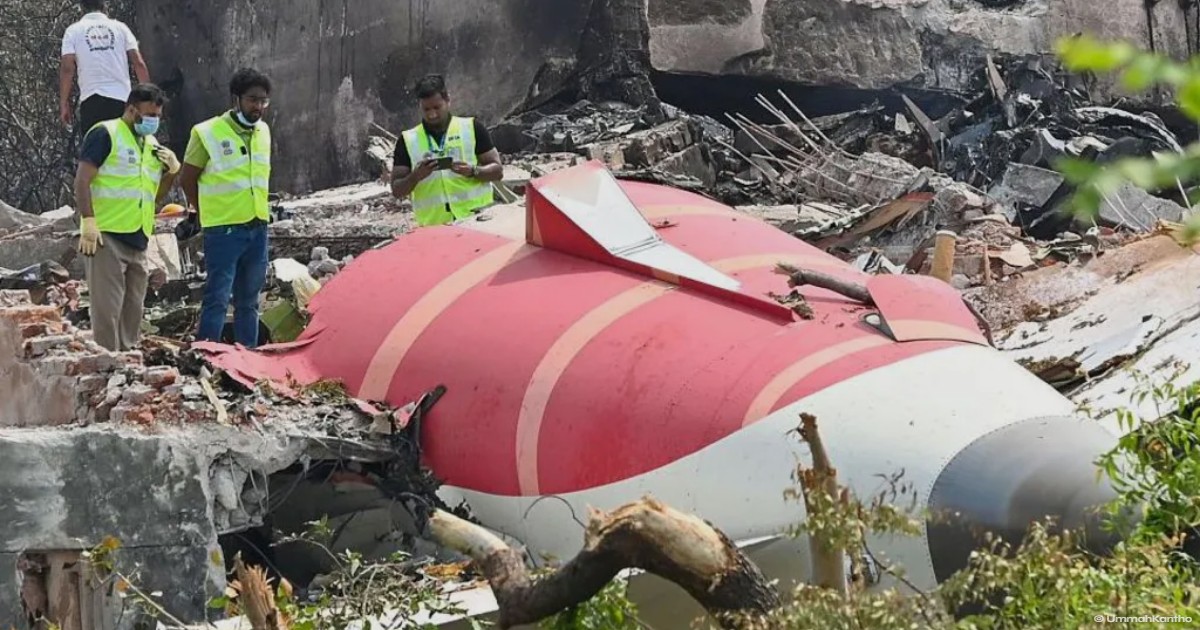
India`s Aircraft Accident Investigation Bureau (AAIB) is expected to release its final report within the next month regarding the catastrophic crash of Air India flight AI-171. The London-bound aircraft went down on June 12, 2025, just seconds after taking off from Ahmedabad in western India, resulting in the loss of 260 lives. As the aviation world anticipates these findings, a series of daunting challenges has significantly deepened the crisis at the airline. A leadership vacuum, staggering financial losses, and persistent safety concerns have placed Air India’s ambitious turnaround strategy in serious jeopardy.
The crisis intensified last month when Campbell Wilson, Air India’s chief executive officer, resigned midway through his term. This departure coincided with reports that the airline’s losses for the fiscal year ending March 2026 reached a record $2.4 billion. Since the Tata Group took control of the struggling carrier from the government in 2022, Air India has become the largest loss-making entity within the conglomerate. Local media reports indicate that the Tata board recently met to discuss aggressive cost-cutting measures and warned employees to prepare for difficult times ahead. The presence of senior leadership from Singapore Airlines at Tata’s Mumbai headquarters has further fueled speculation about a more direct involvement from the minority shareholder.
Aviation analysts believe that Wilson’s exit leaves a significant void at a critical juncture. Jitendra Bhargava, a former executive director at Air India, told the BBC that the airline desperately needs a clear vision and stable leadership to navigate current turbulence. Bhargava noted that the Tata Group may have underestimated the deep-seated legacy issues inherited with the carrier. While a five-year revamp plan was initially put in place after privatization, experts point to growing gaps between strategic planning and practical implementation.
The airline’s reputation has been further battered by several high-profile operational lapses and safety violations over the past year. In one notable incident in March, a flight from Delhi to Vancouver was forced to return to the Indian capital after eight hours of flying because the aircraft lacked the necessary regulatory approval to enter Canadian airspace. Industry consultants have described this error as highly unusual, indicating a fundamental breakdown in internal processes. Furthermore, a safety audit by India’s aviation regulator last year uncovered 51 violations at the airline, seven of which were classified at the highest level of severity.
External factors have also contributed to the airline’s woes, including airspace closures and a fuel price shock triggered by volatility in the Middle East. These variables are largely outside the carrier’s control but have added to the mounting financial strain. The upcoming AAIB report on the Ahmedabad tragedy is expected to be a pivotal moment for the airline. If the findings point toward systemic negligence or maintenance failures, the challenge for the Tata Group to restore trust in the historic brand will become exponentially more difficult. For now, Air India remains a beleaguered carrier fighting for its future in a highly competitive global market.