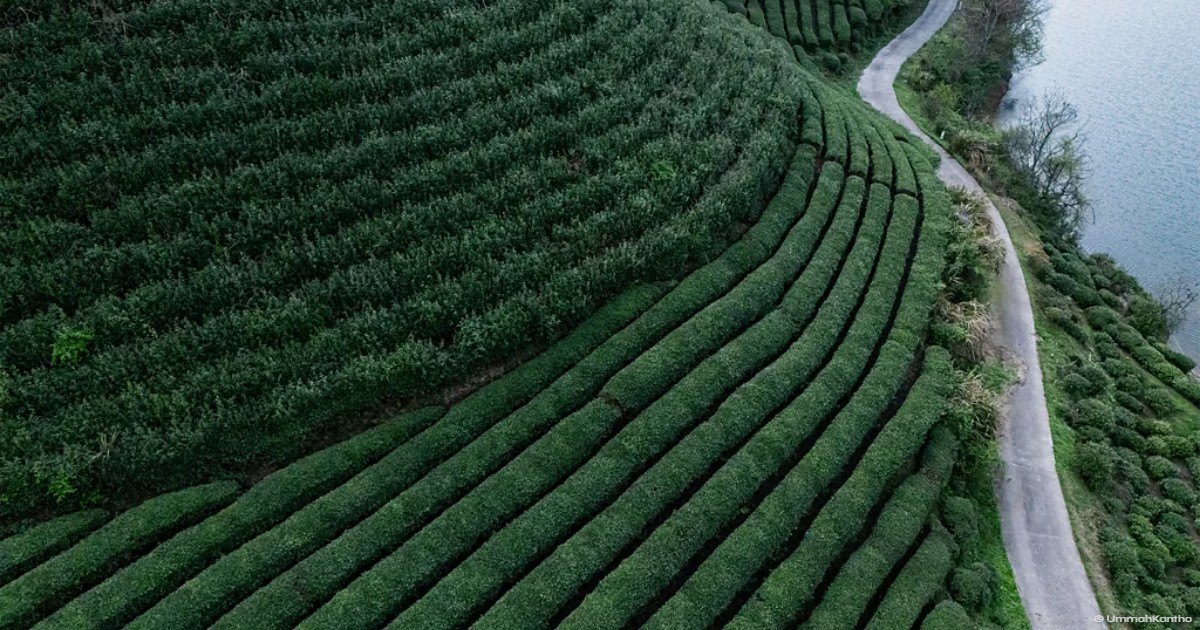
On the lush, rolling hillsides surrounding Hangzhou’s famous West Lake, a centuries-old tradition is unfolding as the annual spring tea harvest reaches its peak. Ge Xiaopeng, a fourth-generation tea grower in Longwu Tea Village, meticulously inspects the tiny, jade-green shoots of the Longjing bushes. With a practiced flick of his wrist, he plucks the slender buds that must meet a precise standard of 2.5 centimeters in length. This is the birthplace of Longjing, or "Dragon Well" tea, arguably China’s most revered green tea, known for its flat, sword-like leaves and delicate chestnut aroma.
The legend of Longjing dates back to the 18th-century Qianlong Emperor, who was so captivated by the tea during his visit to Hangzhou that he granted imperial status to eighteen specific bushes. Since then, Longjing has been a staple of Chinese diplomacy and luxury. However, in recent years, the market has been flooded with counterfeits and machine-processed varieties, making a visit to the source the only guaranteed way for connoisseurs to experience the authentic "imperial" taste. As domestic demand for traditional goods surges, the value of these early spring flushes has reached unprecedented heights.
Timing is the most critical factor in determining the quality and price of Longjing. The tea is graded based on the Chinese solar calendar, which divides the year into twenty-four micro-seasons. The most prestigious tier is known as "Mingqian," referring to the batches harvested before the Qingming Festival in early April. These early buds are prized for their subtle, clean flavor, free of the bitterness that comes with later, rainier harvests. Currently, a single pound of high-quality Mingqian Longjing can fetch upwards of $4,400, a price driven by soaring labor costs and the shrinking number of skilled artisans capable of hand-processing the leaves.
The transformation of raw leaves into finished tea is a labor-intensive craft known as pan-firing. In the family workshop, Ge’s father, Ge Zhenghua, demonstrates the grueling process of hand-firing the leaves in large iron woks heated to over 200 degrees Celsius. Without gloves, he uses a series of ten specific hand movements—scooping, pressing, and shaking—to dry the leaves and achieve their signature flat shape. This direct contact allows the artisan to sense the moisture levels and temperature of the tea, a level of precision that machines have yet to fully replicate. The skill required is immense, taking years of practice to master without burning the delicate leaves or the artisan’s palms.
Despite its global reputation, the future of traditionally made Longjing faces significant challenges. Climate change is making the narrow two-week harvest window increasingly unpredictable, while younger generations are often reluctant to take up the physically demanding work of hand-firing. Furthermore, the encroachment of automation threatens the unique character of the tea. For those who seek the true personality of the Dragon Well, sitting with a glass of hand-picked, hand-fired Longjing in a Hangzhou tea village remains an unparalleled experience—a liquid connection to China’s imperial past that continues to thrive against the odds.