As the school holidays approach across the Northern Hemisphere, millions of families are navigating one of the most complex summer travel seasons in recent memory. Summer 2026 is not just another vacation period; it is a season defined by major global events, fluctuating fuel costs, and a significant shift in how people value their leisure time. While the desire to explore remains universal, the logistics of planning and budgeting for a major trip this year require a level of precision and flexibility that was perhaps unnecessary just a decade ago.
The defining characteristic of travel in 2026 is undoubtedly the impact of the FIFA World Cup, hosted across the United States, Canada, and Mexico. This mega-event has sent ripples through the tourism industry, particularly in North America. For domestic travelers within the US, the surge in hotel prices and local transportation in host cities has prompted many to look outward. Paradoxically, while millions are flocking to North America for the tournament, many residents are choosing to flee the chaos and the associated price hikes, opting for international destinations where their local dollar might go further.
A prime example of this trend is the Colombo family from Sugar Land, Texas. For Josh Colombo and his wife Blanka Molnar, the high costs of local travel during the World Cup season made an extended European escape more attractive. By planning a seven-week itinerary through Hungary and Turkey, they are utilizing a strategic approach to budgeting. Their total budget of $6,000 for a family of three covers nearly two months of travel—a figure that would be nearly impossible without their specific cost-cutting measures. By leveraging ancestral ties in Budapest and staying with friends in Turkey, they have effectively removed accommodation costs from a large portion of their trip.
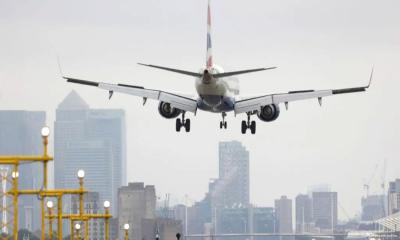
Transatlantic airfare remains the single largest hurdle for international travelers in 2026. With tickets averaging $1,200 per person from the US to Europe, nearly two-thirds of the Colombo family`s budget is consumed before they even land. This "airfare-heavy" budgeting is becoming the norm. Travelers are increasingly willing to pay a premium for flights while drastically reducing their on-the-ground spending. The rise of "supermarket tourism"—where families buy groceries and cook in holiday homes rather than dining out—has become a vital strategy for maintaining a multi-week vacation.
Cultural norms regarding paid leave also play a significant role in how these trips are structured. In the United States, where the average paid time off is relatively low compared to European standards, self-employed individuals like Molnar have a distinct advantage in flexibility. This has led to the rise of "split-vacation" households, where one parent stays for the duration while the other joins for a shorter period based on their employer`s allowance. This hybrid model allows for long-term cultural immersion for children while respecting the realities of corporate leave policies.
Geography and exchange rates are also steering travelers toward specific regions. While the Mediterranean remains a perennial favorite, countries like Turkey and Hungary are seeing a surge in interest due to their relatively lower cost of living compared to Western European hubs like London or Paris. Travelers in 2026 are looking for "active enrichment"—trips that offer more than just a pool and a sunbed. Reconnecting with heritage, visiting thermal baths, and exploring historical castles are cited as top priorities for families seeking value beyond the price tag.
Furthermore, the environmental consciousness of 2026 is subtly influencing travel choices. While long-haul flights are still prevalent, there is a growing segment of the population opting for "staycations" or camping trips within a single tank of petrol. For families in the UK and Sweden, the trend is shifting toward rail travel and exploring local coastal towns to avoid the stress of airport delays and the high carbon footprint of flying. These local choices are often driven as much by sustainability concerns as they are by the rising cost of aviation fuel.
In conclusion, planning a summer holiday in 2026 is a balancing act between the desire for global adventure and the reality of a high-inflation economy. The families who are successfully navigating this season are those who have abandoned the traditional "all-inclusive" resort model in favor of more personalized, connection-based travel. Whether it is staying with family, cooking their own meals, or traveling during the "shoulder season," the modern traveler is becoming more resourceful. Despite the challenges, the underlying motivation remains unchanged: the pursuit of precious moments and the enrichment that only travel can provide.