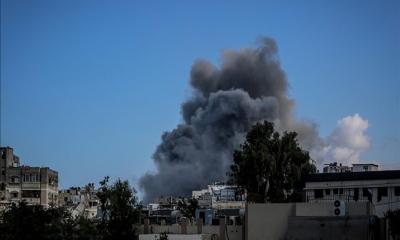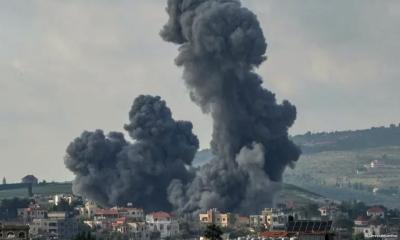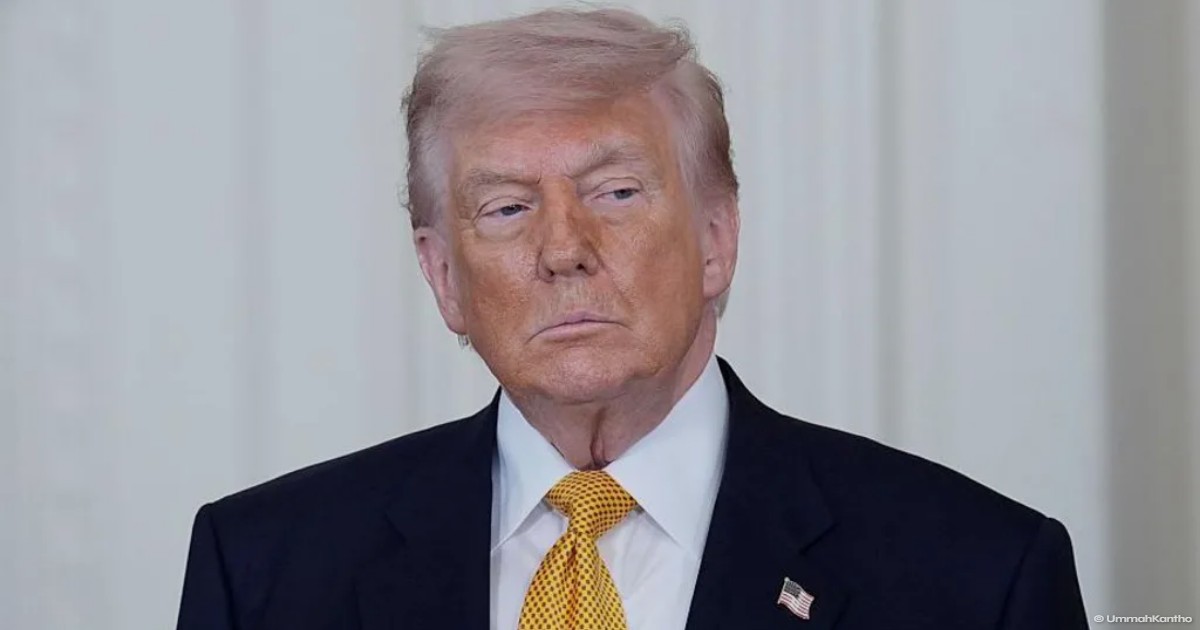
President Donald Trump has characterized Tehran`s recent response to United States proposals to end the ongoing conflict as totally unacceptable. The President`s dismissal comes at a critical juncture as international mediators, primarily Pakistan, attempt to facilitate a permanent resolution to the war that began in February. Trump took to his social media platform, Truth Social, to voice his dissatisfaction, stating that he had reviewed the response from Iranian representatives and found the terms severely lacking.
According to reports from Iran`s semi-official Tasnim news agency, the proposal submitted by Tehran included several high-stakes demands. Iran called for an immediate termination of the war on all fronts and an end to the United States naval blockade that has paralyzed Iranian ports for months. Furthermore, the Iranian leadership sought formal guarantees that no further military operations would be launched against their territory. While a fragile ceasefire has been largely maintained since last month, the political gulf between Washington and Tehran remains vast.
The incident comes amid repeated claims by President Trump that the war in Iran would be over quickly under his administration. However, the path to peace is further complicated by the stance of Israeli Prime Minister Benjamin Netanyahu. In a recent interview on the CBS program 60 Minutes, Netanyahu insisted that the war cannot be considered over until Iran`s infrastructure for nuclear enrichment is completely dismantled. The Israeli leader emphasized that any final agreement must account for the removal of Iran`s stockpile of enriched uranium, suggesting that military objectives have not yet been fully realized.
Iranian state media has added another layer of complexity by noting that Tehran’s proposal includes a demand for financial compensation for damages incurred during the war. Tehran also remains firm on its claim of total sovereignty over the Strait of Hormuz, a strategic waterway where nearly 20% of the world`s oil and liquefied natural gas passes daily. Iranian President Masoud Pezeshkian reinforced this sense of defiance on Sunday, remarking that while the country is open to dialogue, such discussions should not be interpreted as a retreat or surrender to foreign pressure.
The details of the American position were highlighted in a report by the news outlet Axios, which described a 14-point memorandum sent to Tehran. This document reportedly outlines conditions such as the total suspension of nuclear enrichment, the lifting of economic sanctions, and the restoration of free transit through the Strait of Hormuz. US officials briefed on the matter suggested that many of these provisions are contingent upon Iran agreeing to a comprehensive final settlement. Currently, the blockade of Iranian ports and Tehran`s continued obstruction of the strait have contributed to a significant surge in global oil prices.
Netanyahu also used his television appearance to discuss the long-term military relationship between the United States and Israel. He proposed a decade-long plan to phase out American military aid, which currently stands at approximately $3.8 billion annually. The Prime Minister suggested that Israel should begin the process of weaning itself off this financial support immediately. While the immediate focus remains on the rejection of the peace proposal by Trump, the broader geopolitical landscape continues to shift as both sides maintain rigid conditions for a permanent end to the hostilities. The picture remains incomplete as diplomatic efforts continue behind the scenes despite the public rhetoric of rejection.