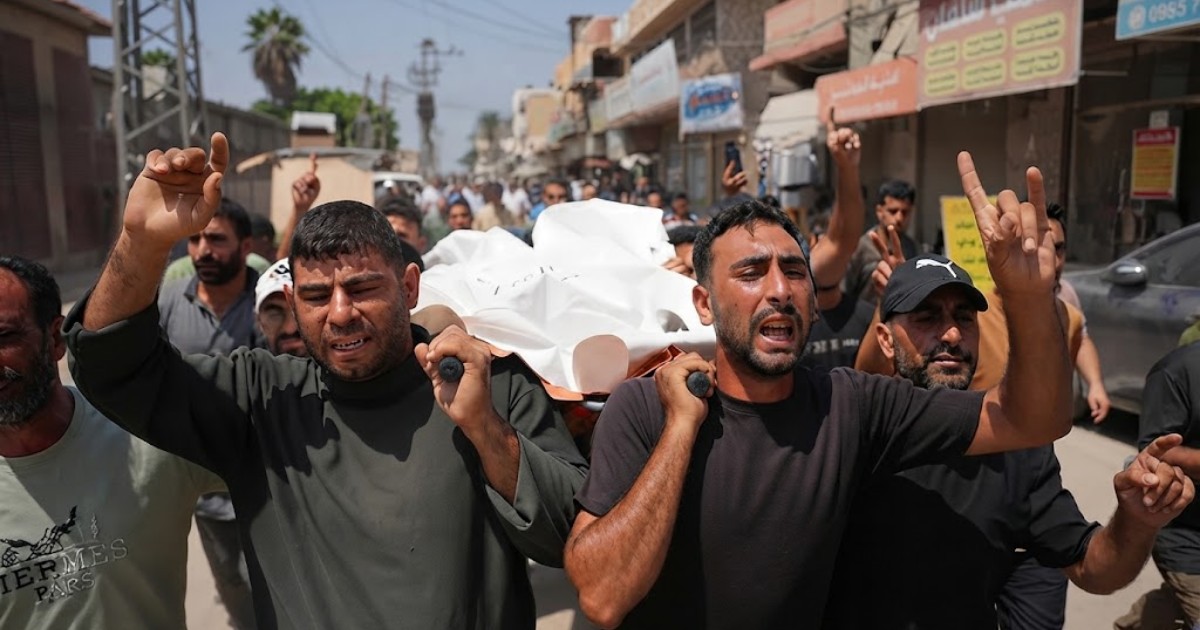
Israeli military forces have carried out a series of attacks across the Gaza Strip, killing at least two people and striking a medical supply warehouse inside a hospital compound, according to Al Jazeera and the Associated Press. The escalation on Saturday compounds a severe humanitarian crisis as medical facilities struggle to maintain operations amidst ongoing bombardment.
A targeted Israeli drone strike hit a tent functioning as a medical supply warehouse inside the Al-Aqsa Martyrs Hospital complex in Deir el-Balah, injuring three people, the hospital director confirmed. The strike caused significant structural damage to emergency supplies designated for patients across the central enclave. The Israeli military claimed the strike targeted a military objective within the compound, though independent verification of the claim has not been provided.
In a separate incident in Gaza City, a drone strike hit a bicycle in the Tal al-Hawa neighborhood, killing one person and wounding two others, according to the official Palestinian Wafa news agency. The casualties were transported to the Al-Quds Field Hospital for emergency treatment. Earlier in the day, another individual was killed by Israeli gunfire in the village of al-Musaddar, located east of Deir el-Balah.
Additionally, an Israeli quadcopter dropped an explosive device near the Kamal Adwan Hospital in northern Gaza, according to local medical officials. The latest surge in hostilities comes despite repeated international calls for restraint, as bombardment intensifies across multiple districts. Gaza`s Health Ministry reported that over the past forty-eight hours, ten bodies have arrived at medical facilities, including nine newly killed individuals and one recovered from beneath collapsed rubble, alongside eighteen recorded injuries.
Rescue teams and civil defense units continue facing severe obstacles in reaching victims trapped under destroyed buildings and damaged roads due to active military operations and restricted access. International humanitarian organizations have repeatedly emphasized the urgent need for protected corridors to facilitate rescue operations and deliver essential medical supplies to vulnerable populations trapped across the enclave.