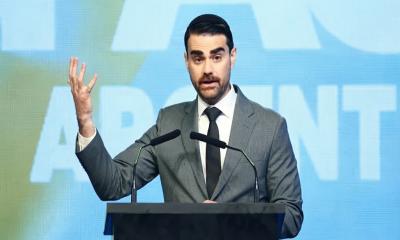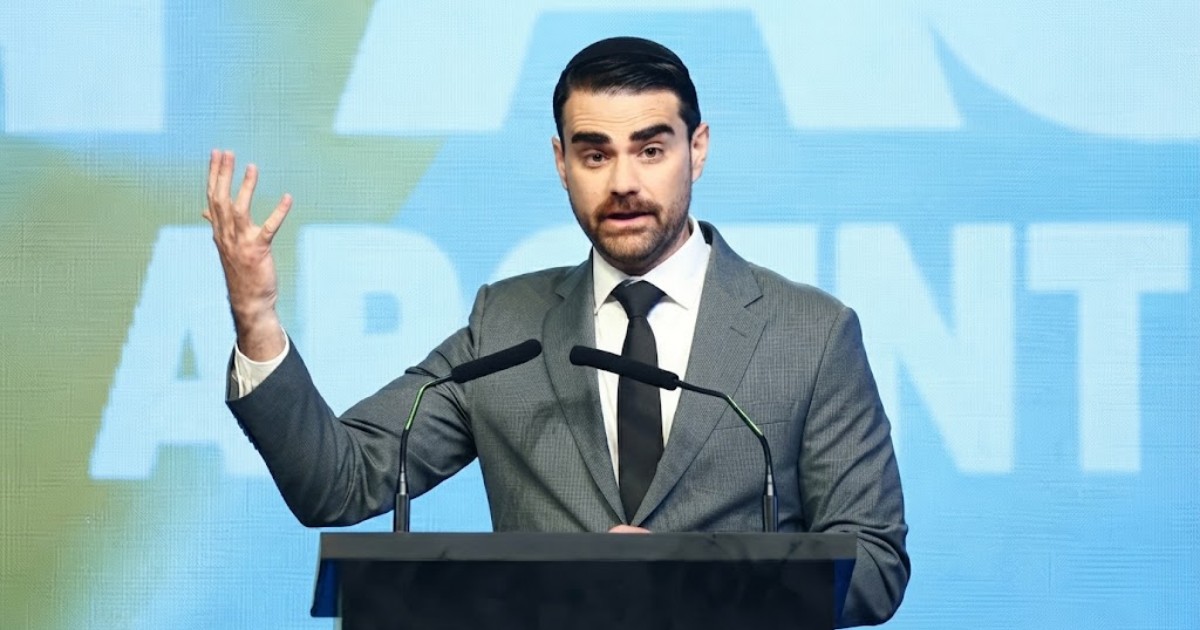
Ben Shapiro’s newly announced film is drawing severe criticism for portraying student-led Gaza solidarity encampments as terrorist operations, continuing a decades-long Hollywood trend of Islamophobia, according to an analysis published by Al Jazeera. The far-right political commentator and Daily Wire co-founder recently released the trailer for the film, claiming that the American film industry has refused to tell the story of radical Islamic threats for three decades. However, Enjy El-Kadi, a communications manager for the Council on American-Islamic Relations, firmly rejected this assertion, describing the film as a mere repackaging of old bigotry.
For decades, Hollywood has consistently villainized Arabs and Muslims in mainstream media. Jack Shaheen’s landmark 2003 book analyzed over nine hundred films, revealing a systemic pattern where Muslim characters were portrayed as violent, barbaric, and threatening. Films like True Lies, Executive Decision, The Siege, and Rules of Engagement have long relied on these exact tropes, equating Islamic practices with terrorism. The release of American Sniper in 2015 notably triggered a massive surge in anti-Muslim threats and harassment across social media platforms. Similarly, hit television series such as 24 and Homeland centered their primary narratives around sleeper cells and the suspicion that Muslim communities were inherently dangerous.
The trailer for Shapiro’s new film explicitly centers on a fictional college campus taken over by extremists. The movie depicts a Gaza solidarity encampment transforming into a makeshift caliphate, where attackers enforce strict laws and target infidels. By splicing real-life footage of the 2024 campus protests against the ongoing war in Gaza with archival imagery of the September 11 attacks and the ISIL armed group, the film deliberately frames a peaceful political movement as a violent extremist uprising. Critics argue this narrative is a dangerous right-wing conspiracy theory designed to criminalize students protesting for Palestinian rights.
The real-world consequences of such relentless stereotyping have been devastating for the Muslim community. In May of this year, anti-Muslim extremists launched a violent attack on the Islamic Center of San Diego. Three men were fatally shot while sacrificing their lives to prevent the armed attackers from reaching young children inside the mosque’s school. Advocates warn that portraying Muslims as inherent security threats that need to be neutralized directly fuels this type of deadly, real-world violence.
The timing of the film`s release has also drawn significant scrutiny from analysts. Media critics suggest that the production serves as a strategic distraction during an intense election season, especially as American voters increasingly question candidates who support the ongoing military offensive in Gaza. Since October of last year, Palestinians, Muslims, and their allies have faced heightened surveillance and suspicion from the United States political establishment simply for advocating for human rights. While recent shows like Ms Marvel and Ramy have attempted to offer more nuanced representations of American Muslims, critics assert that Shapiro is attempting to revive the most destructive Hollywood stereotypes to maintain political relevance.