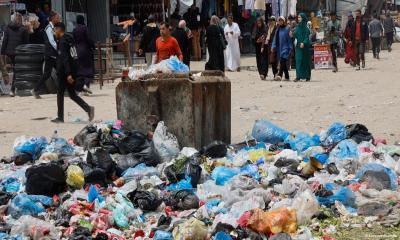
According to Al Jazeera, a severe shortage of physical currency, driven by Israeli military restrictions and wartime destruction, has plunged the Gaza Strip into a profound liquidity crisis. However, due to ongoing operational constraints in the conflict zone, these claims have not been independently verified by other international media outlets. Since the conflict escalated in October 2023, Israel has strictly limited the entry of cash into the territory. This restriction has created an unprecedented economic bottleneck that local Palestinians now refer to as a "cash famine."
The Palestine Monetary Authority, which oversees regional banking operations, reported that Israeli attacks have destroyed more than fifty bank branches across the enclave. Dozens of automated teller machines were also obliterated during the military campaign. Massive quantities of physical cash remain trapped beneath the rubble or locked inside the vaults of severely damaged financial institutions. Following a ceasefire in October 2025, some banking branches managed to reopen. However, these facilities primarily handle administrative transactions and have not injected any new liquidity into the local market.
The physical deterioration of the remaining currency has further complicated daily commerce. Many merchants outright refuse to accept heavily worn or torn banknotes, leaving buyers stranded. Firas Zaqloul, a local resident whose home was destroyed, lost his Palestinian identity card in the rubble. Without formal identification, he is unable to open a new bank account or register for an electronic wallet. He noted that merchants frequently reject his damaged bills, making even the simplest transactions incredibly difficult.
Digital payments, while increasingly necessary, present their own set of logistical hurdles. A 23-year-old student named Israa Najm explained that banks do not accept the replacement identity documents issued during the war. Consequently, she cannot access her bank account or digital payment systems. When purchasing essential items, she is forced to wait for hours while a family member initiates a remote transfer from their home.
The shift toward electronic commerce heavily burdens older residents and those without modern technology. Najwa Kahil, a 45-year-old woman, stated that navigating digital payment applications on an outdated mobile phone feels humiliating and severely limits her ability to negotiate prices for food. Similarly, a 22-year-old nut vendor explained that he must constantly keep his phone charged and maintain accounts across multiple banking applications to accommodate whatever payment method a customer manages to use.
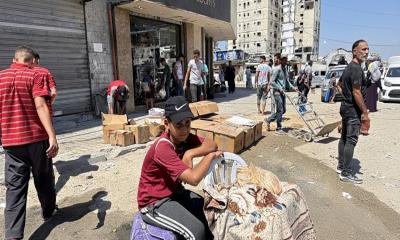
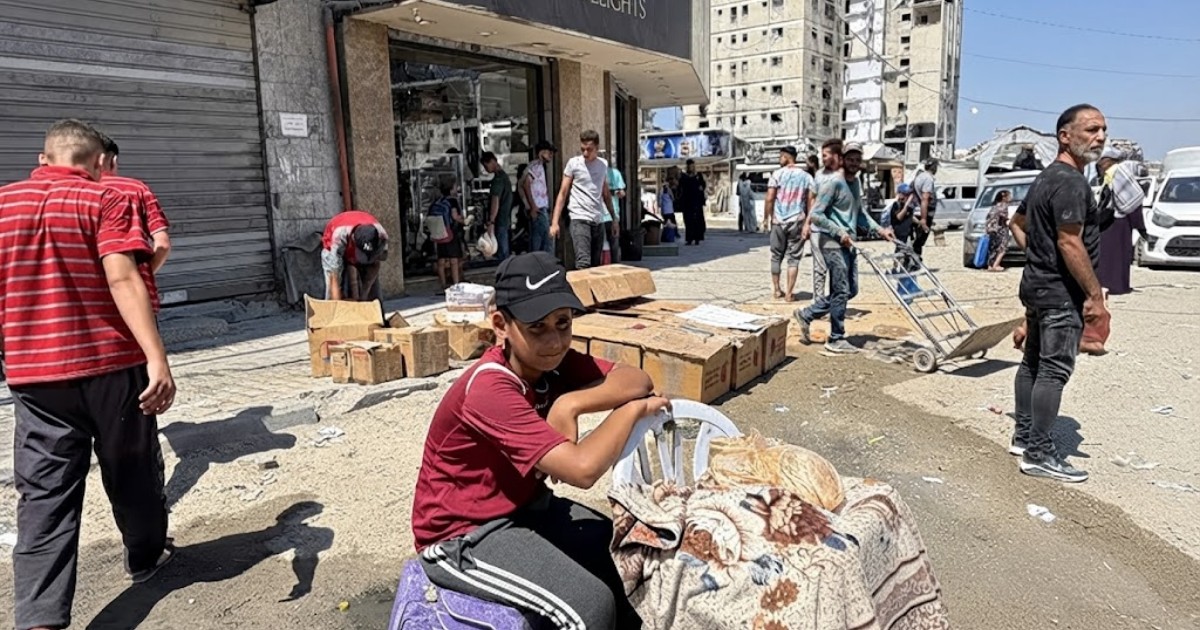
Frequent telecommunications blackouts make the situation even more precarious. Without a stable internet connection, banking applications fail, and merchants do not receive the digital confirmations required to finalize a sale. This unreliability has forced commercial activities to migrate toward areas with accessible wireless networks. A 14-year-old bread vendor, who does not own a mobile phone, operates near a sweets shop offering free internet access. He asks customers to transfer payments directly to his father’s account and waits to view the digital receipt on their screens. Residents indicate that until physical banking infrastructure is fully restored, daily economic survival will remain an exhausting challenge.