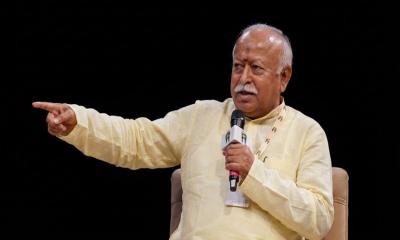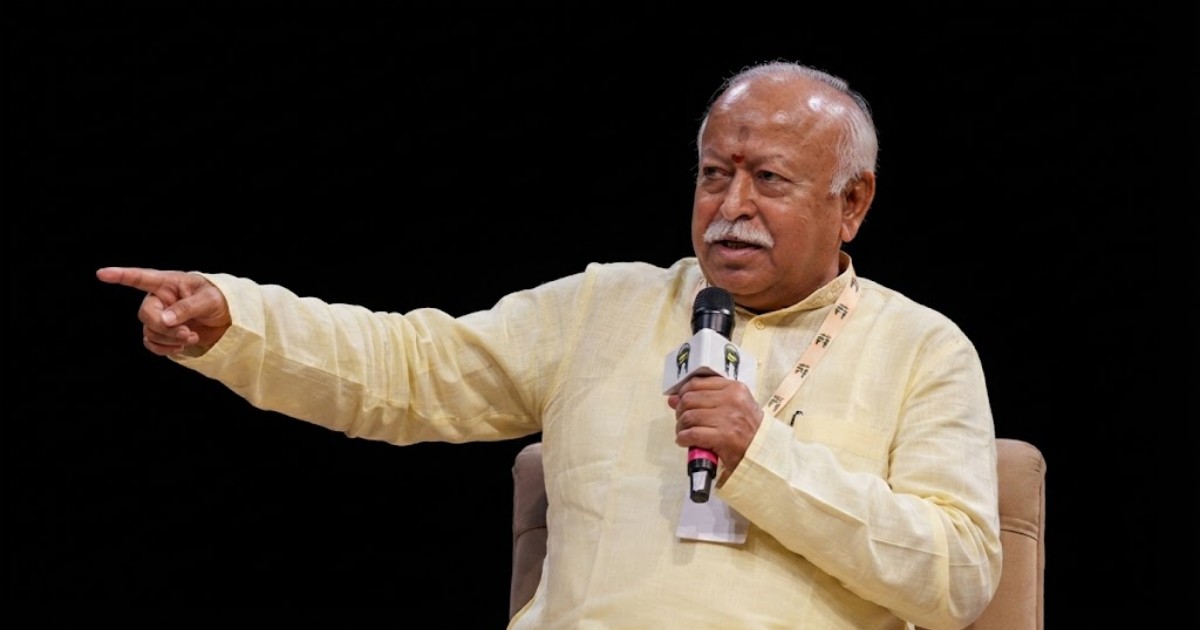
According to Al Jazeera, an upcoming visit to the United States by Mohan Bhagwat, the chief of India’s Rashtriya Swayamsevak Sangh (RSS), has sparked widespread opposition from human rights groups, activists, and local politicians in New York.
Bhagwat is scheduled to deliver the keynote address on Saturday at an event titled the "Universal Oneness Celebration," held at Madison Square Garden. The gathering, expected to attract more than 5,000 attendees including multifaith leaders, is being billed as a celebration of diversity and dialogue. However, critics highlight that the RSS—the ideological parent organization of Indian Prime Minister Narendra Modi’s ruling Bharatiya Janata Party—has frequently faced accusations of contributing to the systemic persecution of religious minorities in India, particularly Muslims and Christians.
New York City Mayor Zohran Mamdani publicly voiced his opposition to the event on Tuesday, describing the core ideology of the RSS as exclusionary. The mayor expressed profound concern over the growth of a movement predicated on marginalizing minority communities. Similarly, the US-based advocacy group Hindus for Human Rights released a statement condemning the rally. Sravya Tadepalli, the group’s deputy executive director, asserted that Bhagwat does not represent the broader Hindu community, alleging instead that he leads an extremist nationalist movement with a long history of animosity toward religious minorities.
The primary organizer of the Saturday event is a US-registered nonprofit known as the American Hindus for Engagement and Dialogue (AHEAD) Forum. The group’s public materials state that it aims to build cultural bridges and promote mutual respect across communities worldwide. Yet, an investigation by Savera—a coalition tracking Hindu nationalism in the US—along with independent verification of tax documents by Al Jazeera, has revealed deep administrative ties between AHEAD’s leadership and the RSS’s overseas wing, the Hindu Swayamsevak Sangh (HSS).
Corporate and tax filings indicate that Khanderao Kand, a prominent and long-serving leader within the US branch of the HSS, was previously listed as AHEAD’s bookkeeper, with the nonprofit initially registered to his address. Following media scrutiny regarding Kand’s lobbying efforts, the registration was reportedly transferred to Harish Kandpal, a former colleague of Kand at another diaspora foundation. Furthermore, documents show that one of AHEAD’s current directors, Sudesh Agarwal, simultaneously heads the HSS chapter in Cleveland. AHEAD has not responded to media requests for comment regarding its leadership structure or its affiliations with Hindu majoritarian organizations.
Founded in 1925, the RSS describes itself as a civilizational and cultural movement. However, scholars and rights organizations note that its foundational philosophy centers on Hindutva, a supremacist ideology aiming to transform India from a constitutionally secular republic into a designated Hindu state. The organization maintains a controversial history and was temporarily banned by the Indian government in 1948 following the assassination of independence leader Mahatma Gandhi by a former member. Today, it commands a massive network of more than 2,500 affiliated right-wing groups known as the Sangh Parivar.
Apoorvanand, a professor at the University of Delhi, told Al Jazeera that the New York event represents a strategic effort by the RSS to forge alliances with Western right-wing networks and political figures. He characterized the organization`s use of unity messaging as deceptive. Conversely, senior RSS functionary Sunil Ambekar defended the Madison Square Garden gathering as a genuine interfaith initiative designed to foster multicultural dialogue.
This international public relations push coincides with documented increases in religiously motivated violence in India. The research group India Hate Lab recently reported a 41 percent surge in hate speech events targeting the Christian community, rising from 115 incidents in 2024 to 162 in 2025. Activists argue that overseas events like the one in New York serve to obscure this deteriorating domestic human rights record on the global stage.