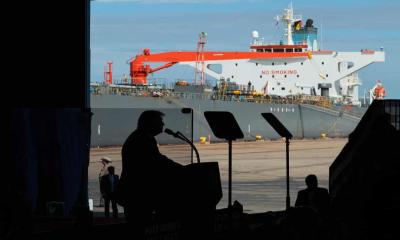
Global oil markets experienced a significant shock on Monday after President Donald Trump dismissed Iran’s latest response to peace negotiations as totally unacceptable. The President`s direct rejection has dashed hopes for a near-term diplomatic breakthrough, sending energy prices soaring as traders react to the prospect of prolonged instability in the Middle East. International benchmark Brent crude jumped 4.1% to $105.50 a barrel in Asian trade, reflecting the mounting anxiety over global supply chains.
The diplomatic impasse centers on a response sent by Tehran via Pakistan, which has been serving as the primary mediator between the warring parties. According to Iran’s semi-official Tasnim news agency, the Iranian proposal included demands for an immediate end to the conflict on all fronts and formal guarantees that the United States and Israel would cease all attacks on Iranian territory. Furthermore, Tehran sought an end to the U.S. naval blockade that has crippled its major ports. However, President Trump signaled his disapproval on Truth Social, stating that he found the terms offered by Iran’s representatives to be entirely unsatisfactory.
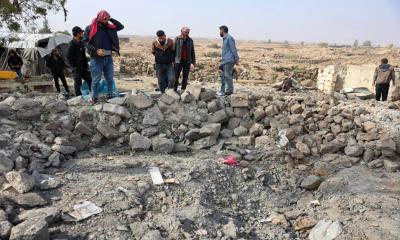
The conflict, which erupted on February 28, 2026, following targeted strikes by U.S. and Israeli forces, has already led to the effective closure of the Strait of Hormuz. This strategic waterway is responsible for the transit of approximately one-fifth of the world’s daily oil and gas supply. Since the IRGC confirmed the closure in early March, energy markets have been in a state of high volatility. While a ceasefire has been mostly observed since early April to allow for negotiations, the underlying tensions remain unresolved, and the threat of resumed military action continues to loom over the region.
In Washington, officials have emphasized their own 14-point framework for ending the war. According to reporting from Axios, the U.S. memorandum demands a total suspension of Iranian nuclear enrichment activities and the restoration of free navigation through the Strait of Hormuz. The lack of alignment between these demands and Tehran’s counter-proposal has created a stalemate. Israeli Prime Minister Benjamin Netanyahu added to the pressure by stating that the war would not conclude until Iran’s enriched uranium stockpiles were completely neutralized, reinforcing the military objectives that Israel still intends to pursue.
Despite the broader economic strain caused by the conflict, major energy firms continue to report record earnings. Saudi Aramco announced on Sunday that its first-quarter profits for 2026 jumped by 25%, reaching $32.5 billion. Aramco CEO Amin Nasser noted that the company’s East-West Pipeline has become a critical artery, allowing exports to bypass the blocked strait and reach international customers via the Red Sea. Other energy giants like BP and Shell have similarly reported surging profits as oil prices remain consistently above the $100 mark since the April ceasefire began.
What remains clear is that the geopolitical risk premium on oil is far from fading. As long as the Strait of Hormuz remains effectively shut and the diplomatic rhetoric between the White House and Tehran remains hostile, the global economy faces a sustained logistics and energy crisis. President Trump’s latest declaration underscores a fundamental disagreement over the conditions for peace, leaving the region in a state of precarious limbo. For now, the world watches the oil tickers as much as the diplomatic communiqués, waiting to see if a real path to de-escalation can be found or if the conflict will enter a new, more intense phase.