As global wildlife tourism continues to face the challenges of overcrowding and environmental strain, Zambia is setting a new international standard for immersive travel. Known as the world`s walking safari capital, this southern African nation offers an alternative to the traditional vehicle-based expeditions found in the Masai Mara or the Serengeti. In Zambia, the windshield is removed, and the engine noise is replaced by the rhythmic crunch of footsteps on the dry savannah. This approach, pioneered in the mid-20th century, has evolved into a sophisticated conservation-driven model that prioritizes the quality of the experience over the quantity of sightings.
In the Mosi-oa-Tunya National Park, near the iconic Victoria Falls, expert guides like Thomas Mulonga lead small groups of adventurers through the mopane woodlands. These excursions are not merely about viewing animals from a safe distance; they are about participating in the landscape. Walking single file, often flanked by armed wildlife scouts, participants are taught to read the "newspaper of the bush"—the indentations in the dust, the broken branches, and the distinct scents that reveal which creatures have passed by recently. The sensory engagement is total, requiring a level of alertness that vehicle safaris simply cannot match.
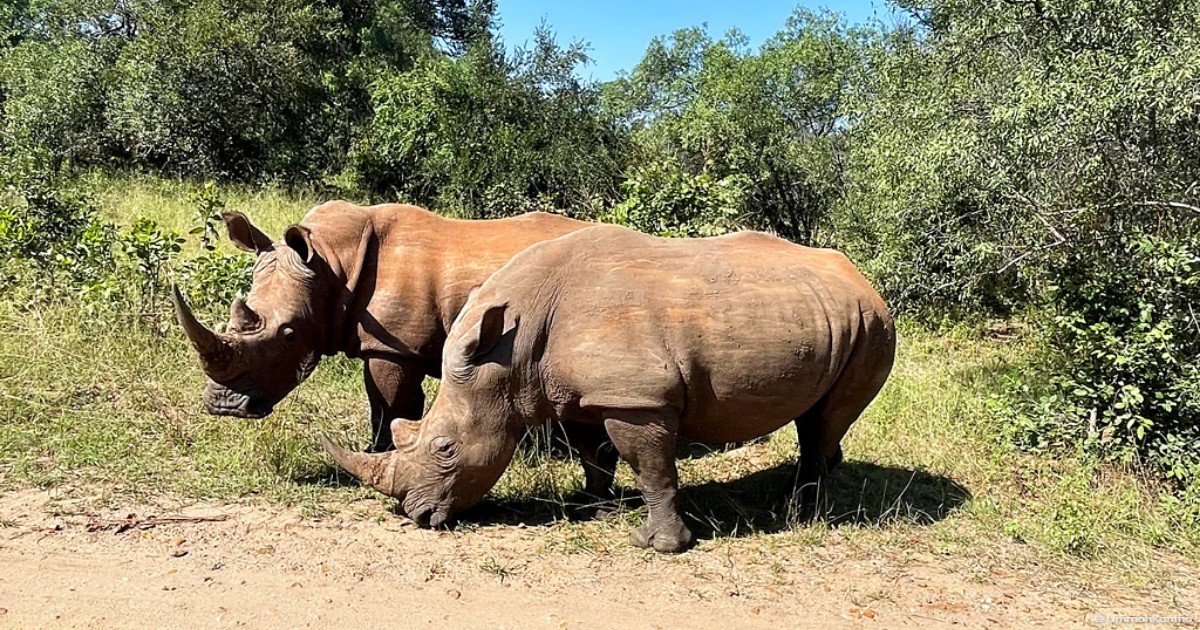
The history of Zambia’s rhinoceros population provides a powerful context for the necessity of this tourism model. By the late 1980s, rampant poaching fueled by the illegal horn trade had devastated the country`s wildlife. Southern white rhinos were declared extinct in Zambia by 1989, followed by the black rhino in 1998. The current recovery is a testament to decades of rigorous conservation efforts and international cooperation. As of 2026, Zambia is home to 60 black rhinos and 54 white southern rhinos. Walking safaris play a vital role in this recovery, as the revenue generated directly funds the anti-poaching patrols and community-based conservation programs that keep these animals safe.
A walking safari offers a rare opportunity for close-range encounters with these prehistoric-looking giants. Tracking a patriarch like the rhino known as "Louis II" allows visitors to witness the craggy, riverbed-like folds of his skin from just a few yards away. This lack of a barrier fosters a profound sense of respect for the animal and its habitat. On foot, the power dynamics of the savannah are shifted; humans are no longer observers in a metal cage but guests in a wild domain. This intimacy creates an emotional connection to conservation that remains long after the trip concludes.
The environmental benefits of walking safaris are equally significant. Vehicles can cause soil compaction and disturb the natural behavior of predators and prey. In contrast, walking leaves a minimal footprint. This "slow tourism" philosophy encourages visitors to appreciate the smaller details of the ecosystem—the behavior of dung beetles, the medicinal properties of various trees, and the complex social structures of baboons. By slowing down the pace, travelers gain a deeper understanding of the ecological balance required to sustain Africa`s "Big Five" and the countless other species that inhabit the bush.
Zambia`s strategy is focused on attracting travelers who value sustainability and authenticity. As the tourism industry globally grapples with its carbon footprint, Zambia’s model proves that high-value, low-impact tourism is not only viable but essential for the survival of fragile ecosystems. The partnership between local communities and safari operators ensures that the benefits of tourism are shared, incentivizing the protection of wildlife over poaching. The success of the rhino reintroduction programs is the most visible metric of this successful collaboration.
Ultimately, the walking safari is more than just a trek through the wilderness; it is a philosophy of travel. It demands patience, respect, and a willingness to engage with nature on its own terms. For those seeking to escape the convoys of tourist vehicles and experience the true soul of the African bush, Zambia remains the undisputed destination. By choosing to walk, travelers are not only embarking on a personal journey of discovery but are also contributing to the preservation of some of the planet`s most endangered species. Zambia continues to prove that in the wild, sometimes the best way to move forward is to slow down and walk.