The strategic landscape of the Strait of Hormuz has transformed into a volatile theater of conflict once again, following a direct military engagement between the United States Navy and Iranian forces. Despite the violent exchange of fire, President Donald Trump asserted on Friday that a ceasefire between the two nations remains technically in place. This paradoxical situation arises at a critical juncture as diplomatic mediators, particularly from Pakistan, strive to finalize a 14-point memorandum of understanding that could potentially end the prolonged hostility. However, the events on the ground suggest that the margin for peace is narrowing as both sides reinforce their military readiness.
According to statements released by U.S. Central Command, the conflict began when Iranian forces launched what was described as an unprovoked attack involving missiles, drones, and small fast-attack boats. These assets reportedly targeted three U.S. guided-missile destroyers transiting through the international waterway. In response, U.S. forces carried out retaliatory strikes against Iranian military installations, specifically focusing on command centers, intelligence surveillance nodes, and launch sites. President Trump, utilizing his Truth Social platform, characterized the Iranian maneuvers as trifling with the United States and warned of a much more violent response if a formal peace deal is not signed expeditiously.
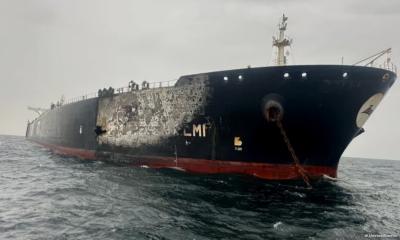
Contrasting the American narrative, the Iranian top military command alleged that the United States initiated the aggression by targeting an Iranian oil tanker and another civilian vessel near the strait. Tehran also reported that U.S. aerial attacks struck several coastal regions, including Bandar Khamir, Sirik, and Qeshm Island. Iranian state media initially described the situation as an exchange of fire with the enemy and claimed that their forces inflicted significant damage on American military assets. The Iranian leadership maintained that their actions were a direct response to a violation of the existing ceasefire by the United States, further complicating the task of independent verification.
The geopolitical ripples of this clash were felt beyond the immediate waters of the strait. The United Arab Emirates Ministry of Defence confirmed that its air defense systems were active on Friday morning, engaging incoming threats consisting of missiles and drones originating from Iran. Meanwhile, unconfirmed reports of explosions within Tehran added a layer of psychological pressure on the Iranian capital. Despite these escalations, diplomatic channels remain open, albeit precariously. Pakistan`s foreign minister stated that his government is making every effort to convert the current fragile ceasefire into a permanent end to the war, acting as a primary conduit for the 14-point U.S. proposal.
Inside Iran, the domestic political response to the potential peace deal has been far from unified. While the foreign ministry expressed that the U.S. proposal was under serious consideration, influential members of the Iranian parliament have dismissed the memorandum as a mere wish list. Ebrahim Rezaei, a key figure in the national security and foreign policy commission, publicly stated that Iran has its finger on the trigger and is prepared to deliver a harsh response if the U.S. does not meet Tehran’s specific conditions. This internal friction within Iran suggests that any potential agreement will face significant hurdles before it can be implemented.
President Trump’s rhetoric has oscillated between the promise of a quick end to the war and the threat of intensified bombing campaigns. His recent social media posts combined poetic descriptions of destroyed Iranian boats with stark ultimatums. The White House reportedly believes that a framework for nuclear negotiations is within reach, but the latest military flare-up underscores the fragility of such assessments. An Israeli source informed the BBC that Israel was not involved in the latest round of attacks, positioning this strictly as a direct confrontation between Washington and Tehran over regional dominance and naval security.
The Strait of Hormuz remains a vital artery for global energy supplies, and any prolonged instability there poses a systemic risk to the international economy. The dual nature of the current situation—where a ceasefire is claimed to exist while missiles are being launched—reflects the complex brinkmanship defining US-Iran relations in 2026. Military analysts suggest that both nations are utilizing these skirmishes to gain leverage at the negotiating table. However, the risk of a miscalculation leading to a full-scale regional war remains at an all-time high.
As the international community watches the developments in the Persian Gulf, the success of the Pakistani mediation efforts will be decisive. The proposed 14-point memorandum represents perhaps the last viable diplomatic off-ramp before the conflict escalates into a state of total war. For President Trump, the challenge lies in balancing his "maximum pressure" tactics with the diplomatic finesse required to secure a lasting legacy of peace. For the Iranian leadership, the choice is between a negotiated settlement that offers economic relief or a continued military defiance that risks total destruction of their coastal infrastructure and naval capabilities.