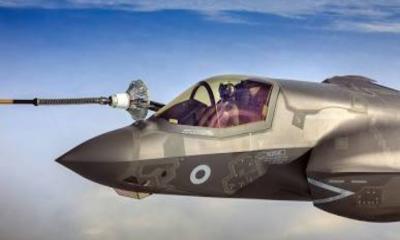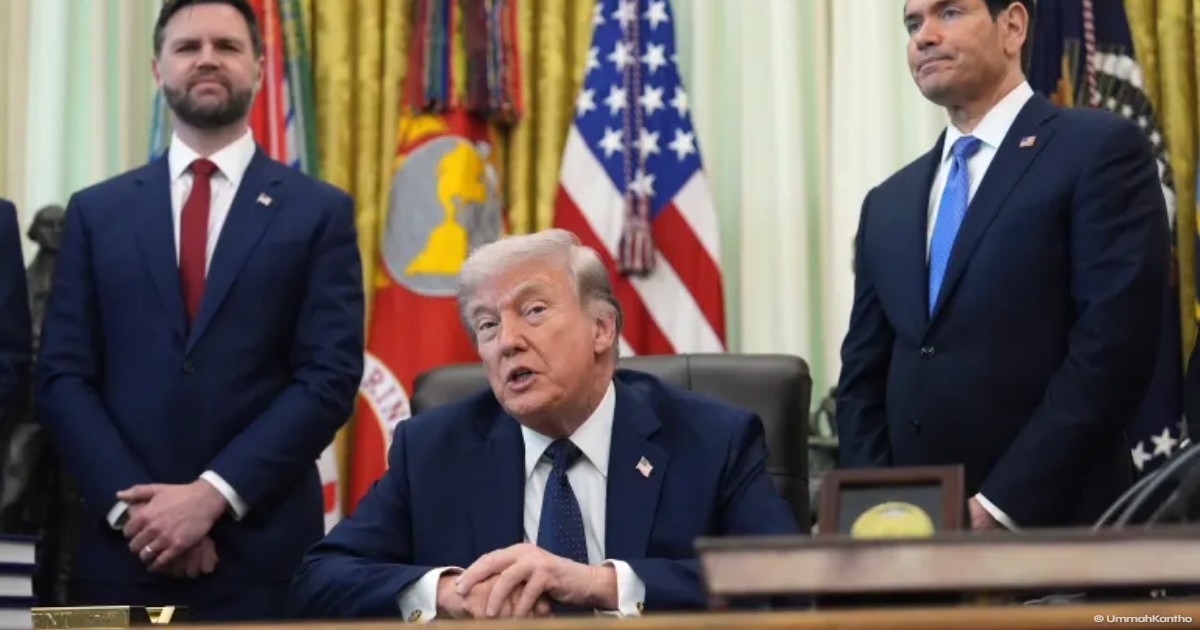
The high-intensity conflict between the United States and Iran appears to be entering a critical cooling-off period following a series of diplomatic breakthroughs. On Tuesday, US Secretary of State Marco Rubio officially declared the end of "Operation Epic Fury," the multi-month military campaign against Iranian targets that began in late February. Rubio told reporters at the White House that the operation had successfully achieved its primary military objectives, signaling a strategic pivot from active combat to diplomatic negotiation.
In a simultaneous move that caught many observers by surprise, President Donald Trump announced a pause in "Project Freedom," the US naval mission designed to escort commercial vessels through the volatile Strait of Hormuz. Writing on Truth Social, Trump cited a request from Pakistan and "other countries," pointing toward "great progress" in ongoing peace talks. This shift marks a dramatic departure from the administration’s rhetoric just weeks ago, when total military victory and the immediate dismantling of Iran`s nuclear program were framed as non-negotiable.
The heart of this transition lies in a fundamental change in Washington’s sequencing of demands. For weeks, Tehran has insisted on a "Strait first, nuclear later" approach — demanding an end to the naval blockade and a formal conclusion of the war before discussing long-term nuclear concessions. Experts suggest the US is now warming up to this framework. According to reports from Reuters and Axios, the two nations are nearing a one-page Memorandum of Understanding (MoU) that would establish a framework for ending the war, even as specific nuclear negotiations remain deferred.
The diplomatic momentum has been heavily steered by Pakistani Prime Minister Shehbaz Sharif, with significant backing from Saudi Crown Prince Mohammed bin Salman. In Islamabad, Sharif expressed high hopes that the current momentum would lead to a "lasting agreement" that secures regional stability. The involvement of Riyadh as a silent partner in these negotiations underscores the global economic pressure caused by the Hormuz "bottleneck," which has severely impacted oil prices and Gulf economies.
However, the path to peace remains fragile. Recent days saw a spike in tensions following alleged drone and missile strikes on an oil facility in Fujairah, UAE, which injured three Indian workers. While Iran has denied any involvement, the incident served as a reminder of how quickly the regional calm could vanish. General Dan Caine, Chairman of the Joint Chiefs of Staff, noted that while these provocations were concerning, they remained below the threshold required to restart major combat operations.
Tehran-based analyst Seyed Mojtaba Jalalzadeh noted that the US shift reflects a "sober reassessment" of its military limitations in the region. Similarly, Andreas Krieg from King’s College London pointed out that Washington has likely accepted that a simultaneous resolution of the war and the nuclear file is currently unfeasible. By focusing on a limited framework deal, both sides hope to secure an immediate reprieve from the economic and military costs of a prolonged war.
As the US heads toward its November midterm elections, the Trump administration appears eager to secure a foreign policy win. The proposed MoU would likely involve lifting the naval blockade and releasing frozen Iranian assets in exchange for Tehran’s commitment to de-escalate regional proxy activities. Whether this framework can survive the deep-seated distrust between the two nations remains to be seen, but for now, the conclusion of "Operation Epic Fury" offers the most significant opening for peace since the conflict began.