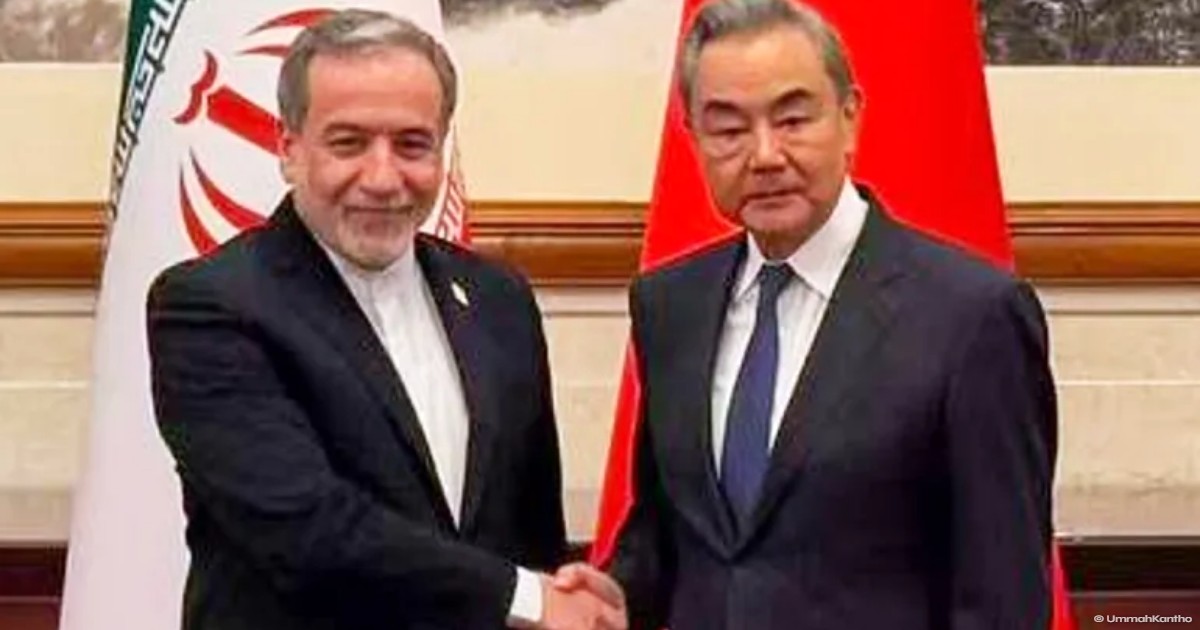
Iranian Foreign Minister Abbas Araghchi traveled to Beijing on Wednesday for critical discussions with his Chinese counterpart, Wang Yi, as diplomatic efforts to secure a peace deal between the United States and Iran gain significant momentum. The high-level meeting comes shortly after US President Donald Trump announced a temporary pause on military operations originally designed to forcibly open the Strait of Hormuz. According to Al Jazeera, geopolitical analysts believe the timing of the visit highlights China`s substantial economic stakes in the ongoing conflict and its potential to actively shape the final terms of a ceasefire.
At the commencement of their talks, the Chinese foreign minister emphasized the urgent need to halt the violence and prioritize diplomacy. Footage broadcast by Hong Kong-based Phoenix TV captured Wang telling Araghchi that a comprehensive ceasefire brooks no delay. He warned that a resumption of hostilities is highly inadvisable and stressed that persisting with negotiations remains particularly important for long-term regional stability. This diplomatic push unfolds just one week before Trump is scheduled to meet Chinese President Xi Jinping in Beijing on May 14 and 15. The upcoming summit has already influenced diplomatic posturing, with US Secretary of State Marco Rubio publicly urging Beijing to pressure Iran into easing its maritime blockade before the leaders convene.
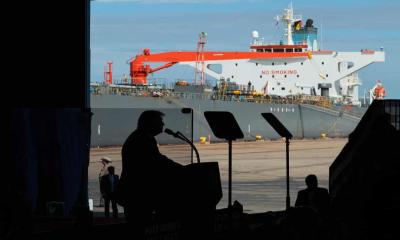
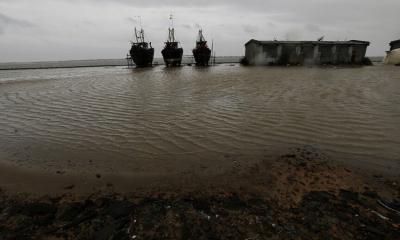
The Strait of Hormuz, a critical maritime chokepoint through which approximately one-fifth of the world’s oil and natural gas flows, remains at the center of the fierce dispute. Iran restricted commercial shipping through the waterway after the war erupted, utilizing its strategic geography to exert pressure. In response, following a fragile ceasefire in April, the US imposed a strict naval blockade on Iranian ports, attempting to force Tehran to accept Washington’s negotiating terms. The resulting disruption to global shipping has sent severe shockwaves through the international economy. Al Jazeera reports that the crisis has occasionally inflamed US-China relations, as Beijing heavily relies on the uninterrupted flow of Gulf energy to power its vast industrial base in East Asia.
Despite the geopolitical friction, the mutual economic fallout has created a unique diplomatic opening. The US is currently facing severe domestic economic pressures, including rising fuel prices ahead of the upcoming midterm elections. Analysts point out that the shared desire of both Washington and Beijing to reopen the strait and secure a lasting peace deal provides China with the leverage to play a decisive mediation role. Throughout the crisis, the Chinese government has carefully navigated a delicate balancing act, consistently calling for calm while frequently criticizing American foreign policy decisions.
During Wednesday’s meeting, Wang reiterated his government`s stance by condemning US and Israeli military actions against Iran as illegitimate, as reported by Iran’s semiofficial Tasnim News Agency. Beijing has consistently framed the broader conflict as a violation of international law, though it has stopped short of endorsing every tactical move made by Tehran. The Chinese government heavily criticized the targeted killing of Iran’s Supreme Leader Ayatollah Ali Khamenei, describing the assassination as a dangerous escalation that risked dragging international politics back to the law of the jungle. Furthermore, China, alongside Russia, recently vetoed a United Nations Security Council resolution intended to formally condemn Iran’s aggressive maritime maneuvers in the Gulf.
Washington has actively attempted to isolate Tehran economically, heavily sanctioning Chinese firms accused of purchasing Iranian oil. Beijing countered these measures by firmly instructing its domestic companies not to comply with the unilateral US sanctions. Yet, beneath the surface of this economic standoff, there are signs of pragmatic cooperation. US Treasury Secretary Scott Bessent recently made a public appeal for China to use its diplomatic influence in Tehran to help de-escalate the crisis. Jodie Wen, a researcher at the Center for International Security and Strategy at Tsinghua University, told Al Jazeera that China’s primary objective remains the immediate restoration of maritime stability. Wen expects Beijing will exert its full diplomatic weight to persuade Iran to return to the negotiating table and ensure the Strait of Hormuz becomes fully operational once again.