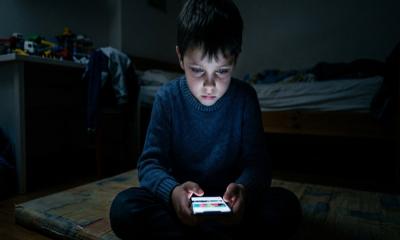
Intergenerational spaces in modern society are becoming increasingly rare. With schools, workplaces, and even housing arrangements frequently segregated by age, religious institutions and family units remain some of the few places where multiple generations regularly interact. However, faith leaders and sociologists warn that simply existing in the same physical space is not enough. To build truly cohesive communities, older generations must actively seek to understand the distinct cultural and psychological realities facing modern youth. Too often, adults dismiss younger demographics merely as the future of society, failing to recognize that they are an active, vital part of the present.
The psychological toll on today`s youth is starkly illustrated by recent public health data. According to a comprehensive Youth Risk Behavior Survey released by the Centers for Disease Control and Prevention (CDC) and widely reported by the Associated Press, the incidence of suicidality and severe depression among teen girls surged by 60 percent between 2011 and 2021. Similar upward trends have been documented among boys and marginalized youth groups. Health officials attribute this alarming mental health decline to a complex web of factors, primarily the lingering isolation of the global pandemic and the relentless pressures of digital life.
The pandemic interrupted crucial developmental phases for children across the globe. While academic losses have been widely discussed, the social and emotional deficits are equally profound. Many young children missed vital opportunities to learn basic interpersonal skills, such as reading social cues, sharing, and respecting personal boundaries. For teenagers, who are digital natives, the internet served as a lifeline during periods of isolation. Yet, this constant connectivity is a double-edged sword. According to researchers, the unyielding exposure to curated, heavily filtered images of perfection on social media has driven deep-seated insecurities, while unmonitored access to the internet frequently exposes minors to violent and distressing content.
What remains particularly concerning is that much of the anxiety experienced by today`s youth is rooted in very real, tangible threats. The Guardian has extensively reported on the rising phenomenon of climate anxiety among younger generations. Armed with scientific literacy, children understand the fragile nature of global ecosystems and the cascading effects of environmental collapse, leading to a profound sense of dread regarding the planet they are set to inherit.
In the United States, the epidemic of gun violence adds another layer of chronic stress. Children today speak fluently about active shooter drills, the strategic placement of classroom exits, and the normalization of metal detectors and clear backpacks. The stakes of simply being young and making common adolescent mistakes have been drastically elevated, often carrying fatal consequences in public spaces. This persistent state of hyper-vigilance strips away the inherent innocence and safety traditionally associated with childhood.
Addressing this multifaceted crisis requires a fundamental shift in how adult society interacts with younger generations. Community advocates argue that youth ministries, mosques, and local community centers must evolve into safe havens where young people can bring their full, authentic selves without fear of judgment. Instead of offering empty platitudes, adults must be willing to engage in difficult conversations about the harsh realities of the world. When young people are encouraged to question, to express their anxieties, and to take on meaningful leadership roles today, it fosters resilience. Recognizing children and teenagers not just as future leaders, but as indispensable voices of the current moment, is the first critical step toward healing a generation in distress.