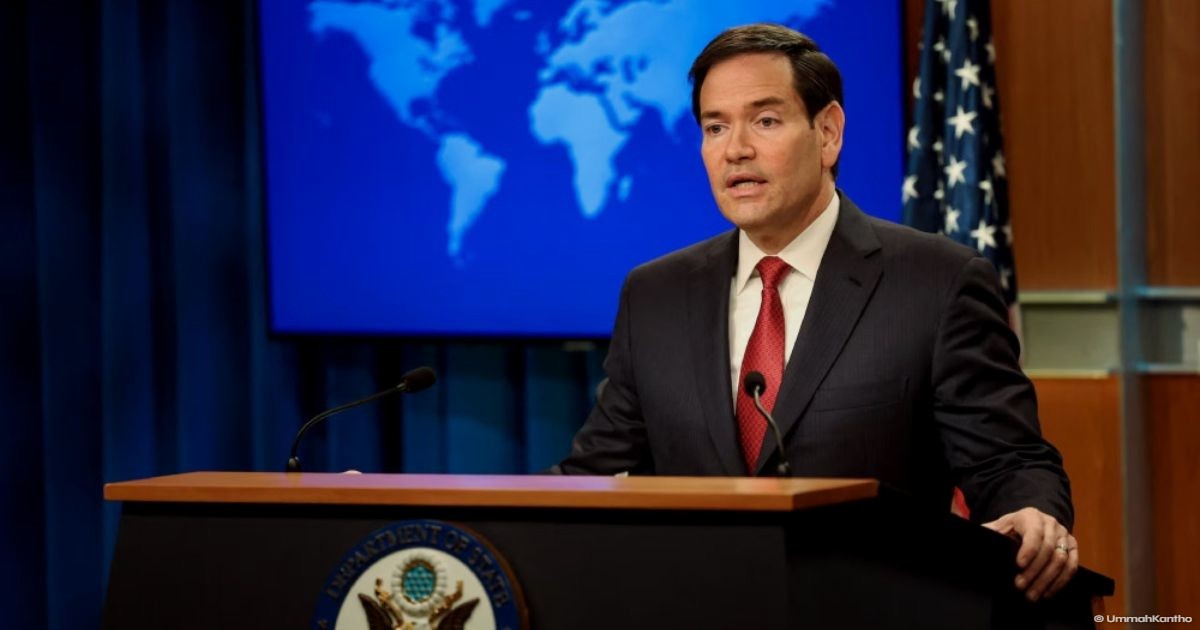
United States Secretary of State Marco Rubio announced on Tuesday that "Operation Epic Fury," the coordinated US-Israeli offensive against Iran that began on February 28, has officially concluded. Speaking to reporters in the James S. Brady Press Briefing Room at the White House, Rubio stated that the mission`s primary objectives had been achieved. While the offensive stage of the conflict is reportedly over, Rubio emphasized that the US would maintain a defensive posture and continue enforcing its naval blockade of Iranian ports.
"Operation Epic Fury is concluded. We achieved the objectives of that operation," Rubio said, adding that the administration now prefers "the path of peace." This announcement comes as a significant shift in tone from Washington, which had previously engaged in high-intensity strikes against Iranian military infrastructure. However, Rubio was clear that the US remains ready to respond with force if attacked.
In a simultaneous development, President Donald Trump announced via Truth Social that he is pausing "Project Freedom," a military mission launched just 24 hours earlier to escort commercial vessels through the Strait of Hormuz. Trump cited "Great Progress" toward a "Complete and Final Agreement" with Iran as the reason for the pause. The president suggested that the mission might resume if diplomatic efforts fail, but for now, the focus has shifted to the negotiating table in Islamabad, Pakistan.
The diplomatic breakthrough is being facilitated by Pakistani mediators who have been hosting high-level talks between US and Iranian representatives. While the first round of talks in April ended without a formal resolution, both sides have reportedly submitted new proposals. Analysts believe the US is using its naval blockade and the threat of resumed strikes to extract major concessions regarding Iran’s nuclear program.
Burcu Ozcelik, a senior research fellow at the Royal United Services Institute (RUSI), told Al Jazeera that the current situation reflects "highly fraught and almost frantic diplomatic backchanneling." According to Ozcelik, the US goal is to secure commitments from Tehran that exceed previous nuclear agreements, specifically addressing material buried deep underground. In exchange, the US may offer sanctions relief and an end to the maritime blockade that has crippled Iran’s economy.
The human cost of the conflict is also becoming clearer. Rubio noted that at least 10 civilian sailors have died during the standoff in the Strait of Hormuz, though he did not provide further details on the specific incidents. The economic impact has been equally severe, with the "bottleneck" in the strait putting immense pressure on global oil supplies and the economies of neighboring Gulf states.
Despite the pause in offensive operations, the region remains on edge. Iran has introduced its own maritime regulation system for the strait, requiring vessels to obtain permits from the newly formed Persian Gulf Strait Authority (PGSA). The US has dismissed these requirements as "economic arson," yet the temporary lull in fighting has provided a rare window for diplomacy.
As envoys Steve Witkoff and Jared Kushner continue to explore a lasting settlement, the international community is watching closely. The question remains whether the current pause is a genuine step toward peace or merely a tactical realignment in a long-term struggle. For now, the transition from "Epic Fury" to the "path of peace" marks the most significant diplomatic opening since the conflict began earlier this year.