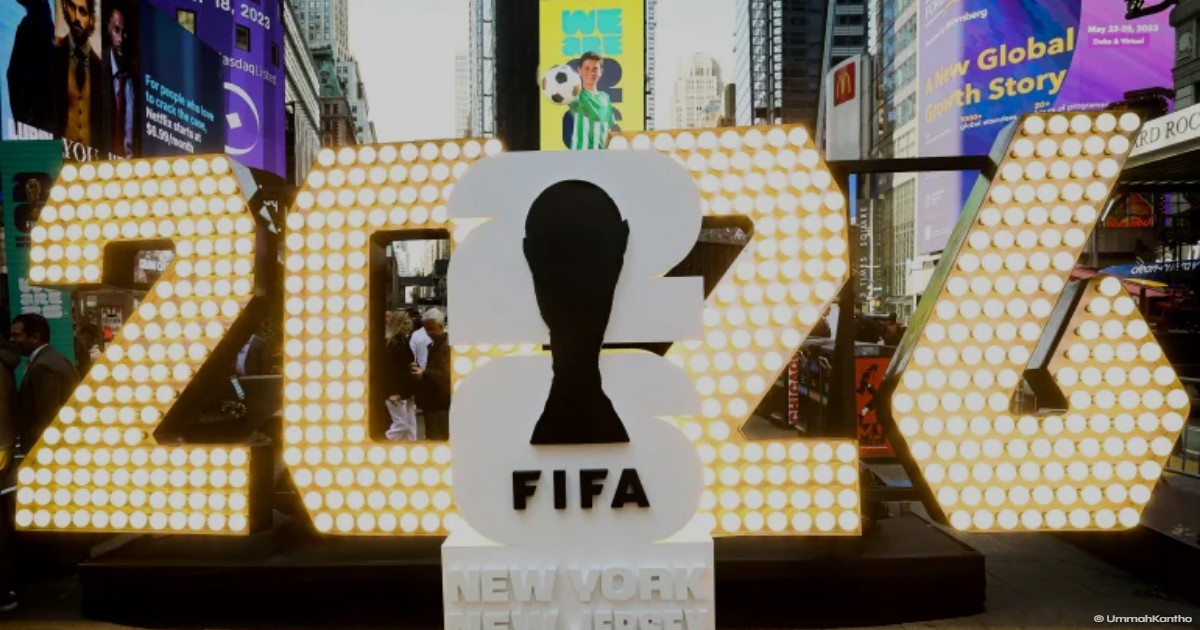
With just over a month remaining until the 2026 FIFA World Cup, the United States hospitality industry is facing an unexpected crisis. Hotel bookings across the 11 American host cities are falling significantly short of initial projections, leaving operators scrambling to adjust their strategies. According to a newly released survey by the American Hotel and Lodging Association (AHLA) and reported by major news outlets like Al Jazeera and NPR, the highly anticipated economic boom has yet to materialize for many local businesses.
The comprehensive AHLA survey, which gathered responses from over 200 hotel owners and operators nationwide, paints a stark picture of the current landscape. Nearly 80 percent of respondents reported that reservations are tracking well below their early forecasts. The slowdown is particularly severe in major coastal and northern markets. In cities like Boston, Philadelphia, San Francisco, and Seattle, several hoteliers described the upcoming tournament as a non-event for their properties, a sharp contrast to the massive influx of international tourists they had initially expected.
Several distinct factors are driving this suppressed demand. Roughly 65 percent of survey respondents pointed directly to strict visa barriers and broader geopolitical tensions under the Trump administration as primary deterrents for international fans. President Donald Trump has frequently highlighted the prestige of hosting the tournament, which the US shares with Mexico and Canada. His administration`s tightening of immigration policies and strict vetting processes for visitors have created a chilling effect. The AHLA noted a growing perception abroad that traveling to the US involves lengthy visa wait times, high fees, and a less-than-welcoming entry process.
On top of these logistical hurdles, the strong US dollar and persistent global inflation have made traveling to the United States significantly more expensive. Add in the rising costs of match tickets and basic transportation, and many international fans are simply being priced out of a traditional hotel stay.
Beyond government policy, hotel operators also place part of the blame on FIFA itself. Early in the planning stages, the global football governing body reserved massive blocks of hotel rooms across the host cities. Recently, FIFA canceled large portions of these reservations, suddenly flooding the market with empty rooms. Hoteliers told NPR that these bulk reservations had created an artificial early demand signal, prompting them to hike prices prematurely. When the rooms were released back to the public, the anticipated rush of independent bookings failed to fill the gap.
FIFA has firmly defended its actions. A spokesperson for the organization stated that the room releases were executed strictly according to contractually agreed timelines, calling it standard practice for mega-events of this scale. The governing body insists that global excitement remains incredibly high, pointing to the fact that more than five million tickets have already been sold. Yet, as the AHLA report indicates, those ticket sales are not translating into expected lodging revenue, suggesting that fans might be turning to short-term rentals, staying with friends, or simply making day trips rather than booking extended hotel stays.
Not every host city is facing a complete drought. Markets in the southern United States are showing more resilience. About half of the hoteliers surveyed in Atlanta reported bookings that met or exceeded their projections, while 55 percent in the Miami metro area noted stronger-than-expected demand. Still, for an event heavily promoted by FIFA President Gianni Infantino as an economic game-changer capable of generating billions in impact, the fragmented demand is forcing many operators to pause their World Cup-specific marketing investments.
With the opening match scheduled for June 11 in Mexico City and the final set for July 19 in New Jersey, the window for a late booking surge is rapidly closing. AHLA President Rosanna Maietta stressed that while meaningful opportunity remains, the US and FIFA must work quickly to ensure a seamless experience for international travelers if they hope to salvage the hospitality industry`s summer expectations.