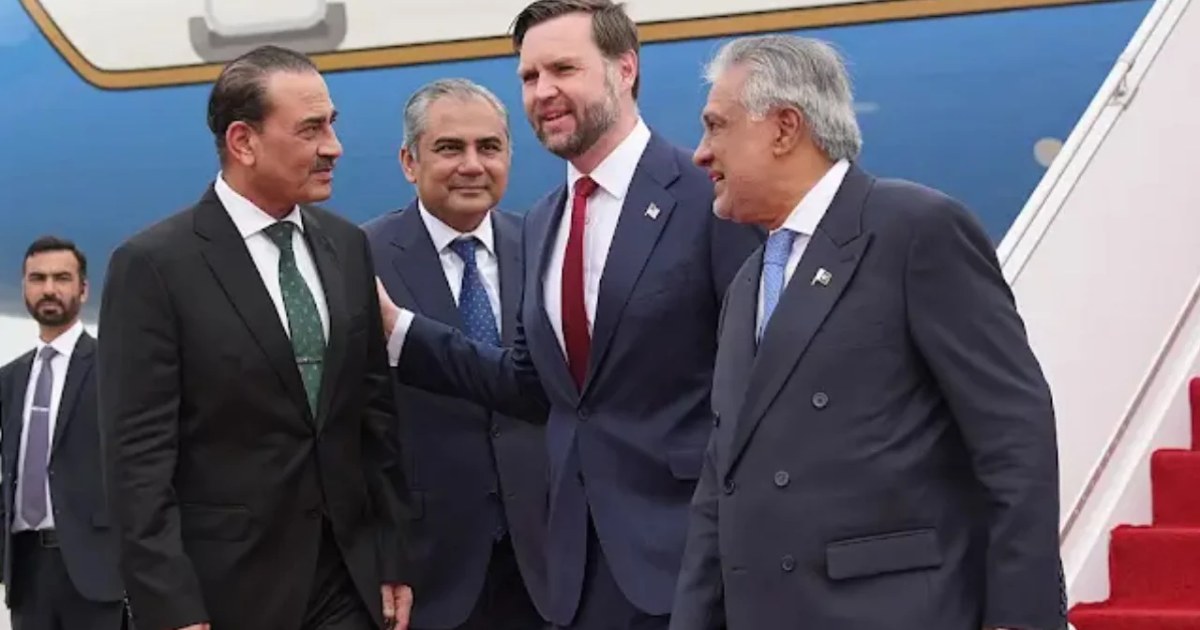
After years of escalating geopolitical tensions and the looming threat of open conflict, the United States and Iran are reportedly on the verge of a historic breakthrough. According to reports from Reuters and Al Jazeera, the two nations are close to finalizing a highly significant memorandum of understanding aimed at ceasing hostilities. This critical diplomatic maneuver has been largely brokered by Pakistan, which has quietly operated as a neutral intermediary bridging the gap between Washington and Tehran.
Diplomatic sources familiar with the negotiations indicate that while the proposed agreement is contained within a single-page document, its implications are massive. The framework addresses several core issues that have fueled the animosity. A central component involves Iran agreeing to strict, verifiable limitations on its nuclear development program. In return, the United States is preparing to gradually ease the crippling economic sanctions that have stifled the Iranian economy for years.
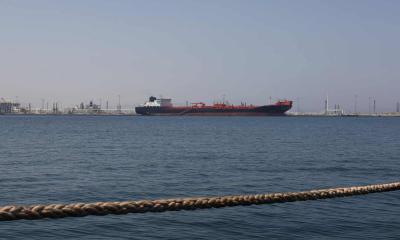
The potential lifting of these sanctions carries immense weight for the global economy. Observers note that the reintegration of Iranian resources into the international market could significantly stabilize global energy sectors and ease pressures on crucial agricultural and fertilizer supply chains worldwide. A key pillar of the agreement focuses directly on de-escalating military tensions in the Strait of Hormuz. As one of the world`s most vital maritime chokepoints, the strait handles a massive portion of the globe`s daily oil shipments. Years of military posturing and proxy conflicts in this narrow waterway have frequently disrupted international shipping, driving up global freight costs and straining international supply chains. A formal agreement would secure this route, offering massive relief to international markets heavily reliant on seamless maritime trade.
Pakistan’s role in orchestrating this dialogue has drawn significant attention. Regional officials confirmed to international media outlets that Islamabad has spent recent months facilitating backchannel communications, leveraging its geopolitical position to bring the two adversaries toward a workable consensus. This quiet diplomacy has been instrumental in keeping the fragile negotiation process alive during moments of intense regional friction.
The path to a final signature, however, is not completely clear. Officials from both sides acknowledge that several complex hurdles remain unresolved. The most pressing disagreement centers on the exact timeline and expiration dates for the restrictions placed on Iran`s nuclear activities. Washington is pushing for long-term containment, while Tehran insists on a shorter, more flexible timeframe.
To address these lingering disputes, the current memorandum outlines a structured framework for broader, more comprehensive talks scheduled to take place in the coming weeks. If these final details are successfully ironed out, the resulting pact could fundamentally alter the political landscape of the Middle East, ending decades of hostility and paving the way for a more stable global economic environment.