The fragile ceasefire between the United States and Iran is on the verge of total collapse following a series of missile and drone attacks targeting civilian infrastructure and an oil port in the United Arab Emirates. The escalation comes at a critical juncture as regional powers attempt to navigate a path toward peace through mediation efforts in Pakistan. According to reports from Reuters and the BBC, the UAE air defense systems intercepted multiple Iranian projectiles late Monday, though at least one oil terminal sustained damage, sparking fears of a renewed regional conflict.
Pakistan, acting as the primary mediator in the crisis, has strongly condemned the attacks. Prime Minister Shehbaz Sharif stated on social media that it is absolutely essential for the ceasefire to be upheld to allow the necessary diplomatic space for dialogue. Bilawal Bhutto Zardari, Chairman of the Pakistan People`s Party, reinforced this sentiment during an interview with the BBC, urging both Washington and Tehran to avoid further escalation. He noted that while messages are still being exchanged between the two sides, incidents like the strikes on the UAE significantly complicate the confidence-building process.
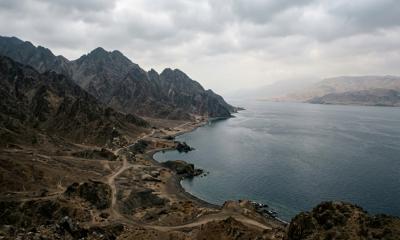
The heart of the tension remains the Strait of Hormuz, where Iran has imposed a blockade that threatens global energy security. President Donald Trump has recently announced a plan to have the US military escort commercial vessels through the strategic waterway to ensure the flow of trade. While Trump claimed that representatives are having "very positive discussions" with Iran, he has also issued stern warnings of retaliation should any US assets be targeted. This dual-track approach of diplomacy and military deterrence has left the region in a state of high alert.
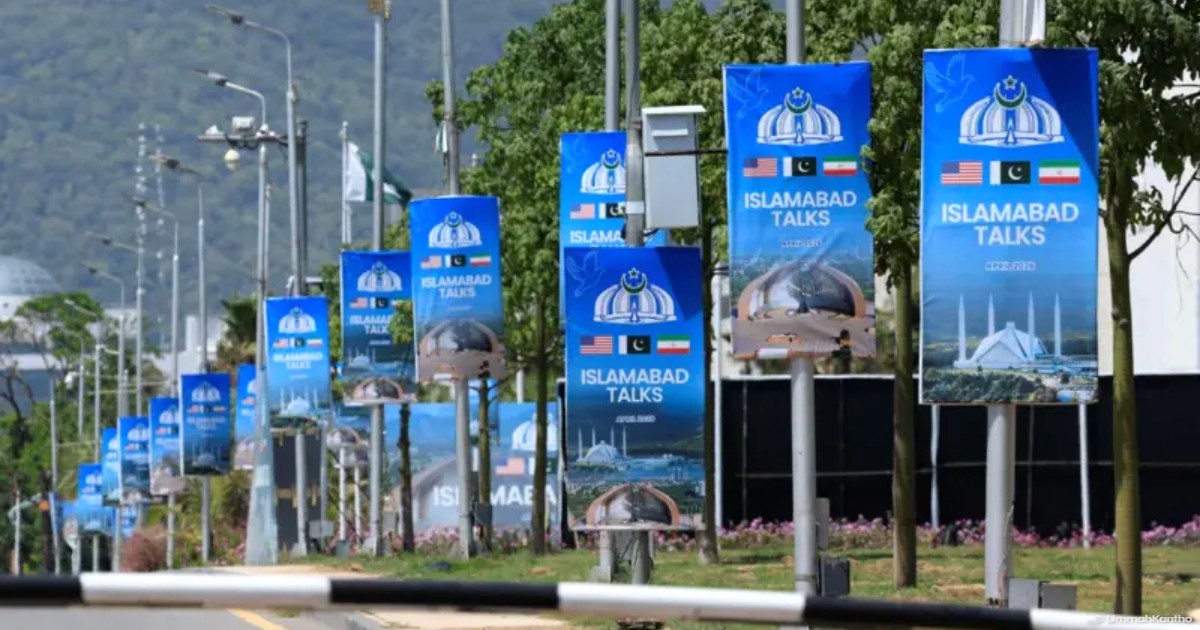
Peace talks held in Islamabad earlier in April failed to produce a concrete agreement despite the presence of high-level officials, including US Vice President JD Vance and Iranian Parliamentary Speaker Mohammad Ghalibaf. Key sticking points involve the future of Iran’s nuclear program and the permanent lifting of the naval blockade in the Strait. Although Trump extended the ceasefire expiration date past April 22 to allow more time for talks, the recent military actions by the Iranian Revolutionary Guard Corps (IRGC) have cast a shadow over the 14-point peace plan currently under review in Tehran.
Security analysts warn that prising open the Strait of Hormuz by force would be an extremely difficult task. The IRGC Navy reportedly retains a vast arsenal of missiles and torpedoes, some of which were recently unburied from hidden locations designed to evade previous airstrikes. These assets pose a direct threat to any US Navy warship escorting merchant vessels. Experts argue that military maneuvers alone will not suffice and that a comprehensive deal ensuring Iran does not threaten shipping with its subsurface and missile capabilities is the only way to achieve enduring stability. The coming days will be decisive in determining whether the region returns to full-scale hostilities or finds a way back to the negotiating table.