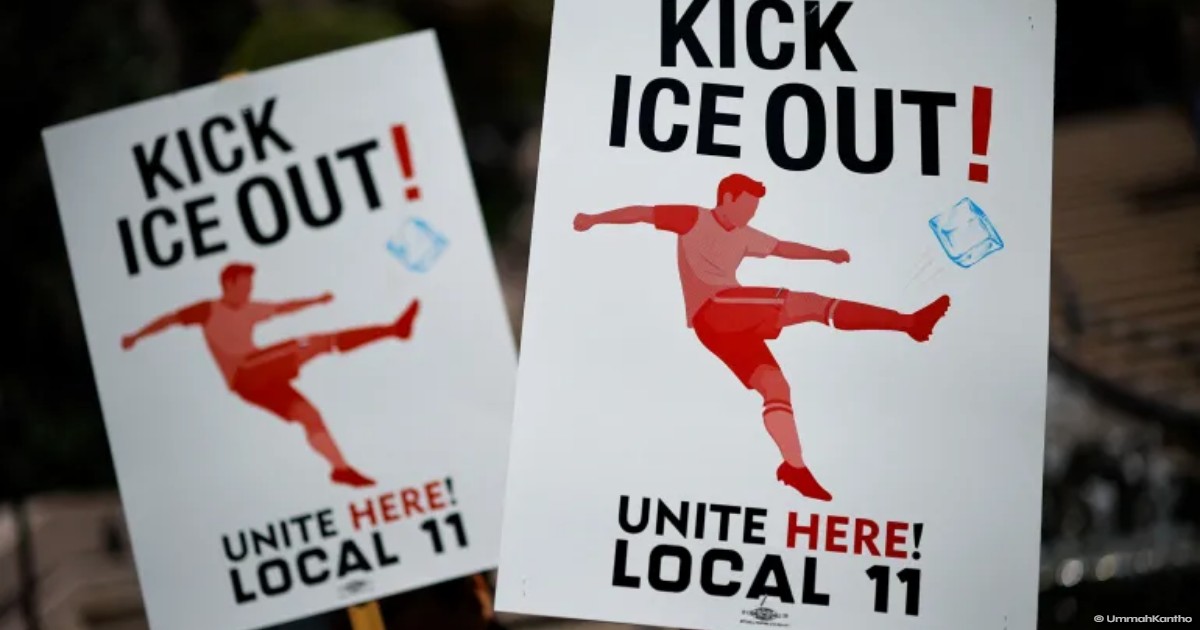
Immigration and Customs Enforcement (ICE) officials will not be present at 2026 World Cup stadiums this summer, according to official statements from the Miami host committee. Rodney Barreto, the co-chair of the committee, revealed on Thursday that he has received high-level reassurances regarding the conduct of immigration authorities during the tournament. According to Reuters, the guarantee came directly from Secretary of State Marco Rubio, aiming to alleviate fears of potential immigration raids at the world’s premier football event.
The assurance comes at a time of heightened political tension regarding border security and internal enforcement in the United States. Speaking with The Athletic, Barreto emphasized that the World Cup venues would not be used as grounds for mass detention or immigration sweeps. He stated quite clearly that ICE is not going to be at the stadium and that the event would not turn into a situation where people are being rounded up based on their legal status. The priority, according to organizers, is to provide a world-class sporting experience for fans from every corner of the globe.
The involvement of the federal government is seen as a crucial step in managing the logistics of the tournament. Barreto noted that he had spoken with Rubio to ensure that passport processing and general entry procedures for international visitors remain orderly. The Secretary of State reportedly pledged that the federal government would dedicate the necessary resources to ensure that travelers are not held up by bureaucratic hurdles. This commitment is intended to show that the administration is prioritizing the success of the World Cup as a global showcase.
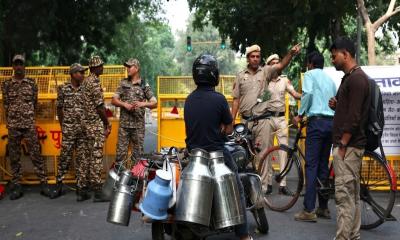
The backdrop of this decision is rooted in the increased immigration enforcement activities that have characterized the current U.S. political landscape. Since the beginning of the second Trump administration, ICE has ramped up its operations, causing significant debate across the country. By publicly declaring that these operations will stay clear of the World Cup venues, the host committee is attempting to maintain a strictly sports-focused environment. However, what remains to be seen is how this policy will be enforced on the ground given the overall national mandate for stricter immigration control.
Beyond the immigration concerns, security remains a top priority for the Miami organizers. Barreto reflected on the 2024 Copa America final held at Hard Rock Stadium, which was marred by chaos as fans without tickets breached the gates. He admitted that the failure of that event was largely due to a lack of proper perimeters. To prevent a repeat of those scenes, the 2026 organizers are implementing more rigorous security measures, including multiple layers of checkpoints far from the stadium entrances. This proactive approach is designed to mitigate risks and ensure that only ticket holders reach the facility.
Financial support from the federal government will also play a role in securing the event. Barreto highlighted that the current administration has provided the resources necessary to reimburse local cities for their police protection. This financial backing allows local law enforcement to focus on safety and crowd management without the added burden of immigration duties. The goal is to create a safe, welcoming atmosphere where the focus remains on the pitch rather than on the political climate outside the stadium walls.
Despite these formal guarantees, some skepticism remains among civil rights groups who worry about the reach of federal enforcement agencies. The distinction between stadium grounds and the surrounding urban areas remains a point of concern for those traveling without full documentation. Nevertheless, the host committee`s proactive stance serves as a signal to the international community that the 2026 World Cup aims to be an inclusive event. As Miami prepares to host its share of the matches, the balance between security, politics, and sports will undoubtedly continue to be a central theme of the preparations.