A direct military confrontation between the United States and Iran in the Strait of Hormuz on Thursday has ignited fresh fears that the month-old ceasefire between the two nations is nearing a total collapse. The exchange of fire comes at a critical juncture as Washington awaits a response from Tehran regarding a potential peace deal to end a conflict that has devastated the region since February 28. This latest flare-up highlights the extreme volatility of the Gulf, where global energy security remains at the mercy of military maneuvers.
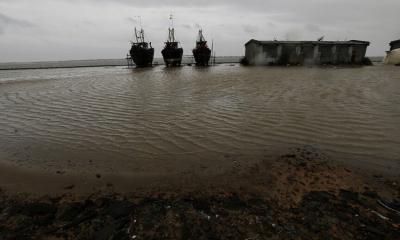
President Donald Trump confirmed the incident via Truth Social, stating that three U.S. Navy destroyers were targeted while transiting the Strait of Hormuz. This narrow waterway is essential for global commerce, carrying approximately 20% of the world’s petroleum and liquefied natural gas (LNG) supplies during peacetime. Since the outbreak of hostilities in late February, Iran has largely closed the strait, prompting a U.S. naval blockade of Iranian ports. Trump claimed that the destroyers sustained no damage and were able to complete their transit successfully, though he asserted that significant damage was inflicted upon the Iranian attackers.
Speaking to reporters in Washington later that day, Trump attempted to downplay the significance of the clash, insisting that the ceasefire initiated on April 8 remains in effect. He described the Iranian actions as "trifling" and claimed that U.S. forces "blew them away" in response. Despite this attempt at de-escalation through rhetoric, the reality on the ground suggests a much more severe situation. The Iranian military command has issued a stern rebuttal, accusing the United States of being the primary aggressor and violating the established ceasefire.
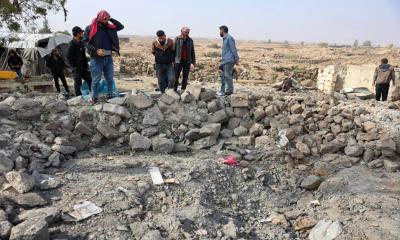
Tehran’s military headquarters, Khatam al-Anbiya, alleged that U.S. forces targeted an Iranian oil tanker and another vessel, prompting the retaliatory fire. Furthermore, Iranian officials reported that the U.S. conducted air strikes on strategic locations, including Qeshm Island. Qeshm is a vital point at the mouth of the strait and is widely believed to house a significant portion of Iran’s naval assets. Additional strikes were reported in coastal areas of southern Iran, specifically Bandar Khamir and Sirik. Iranian air defenses were also reportedly triggered over western Tehran, indicating that the escalation reached deep into Iranian territory.
The Iranian response reportedly included strikes on U.S. military vessels located east of the strait and south of the port of Chabahar. While U.S. Central Command maintained that no American assets were hit, Iran’s Press TV claimed that their strikes caused significant damage. By Friday morning, Iranian state media reported that the situation in the coastal cities and islands had returned to normal. However, the psychological and political damage to the peace process appears extensive. The question of who fired the first shot remains unanswered, with both sides providing conflicting accounts of the initial provocation.
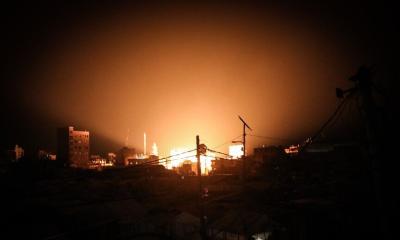
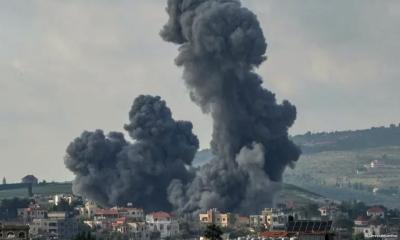
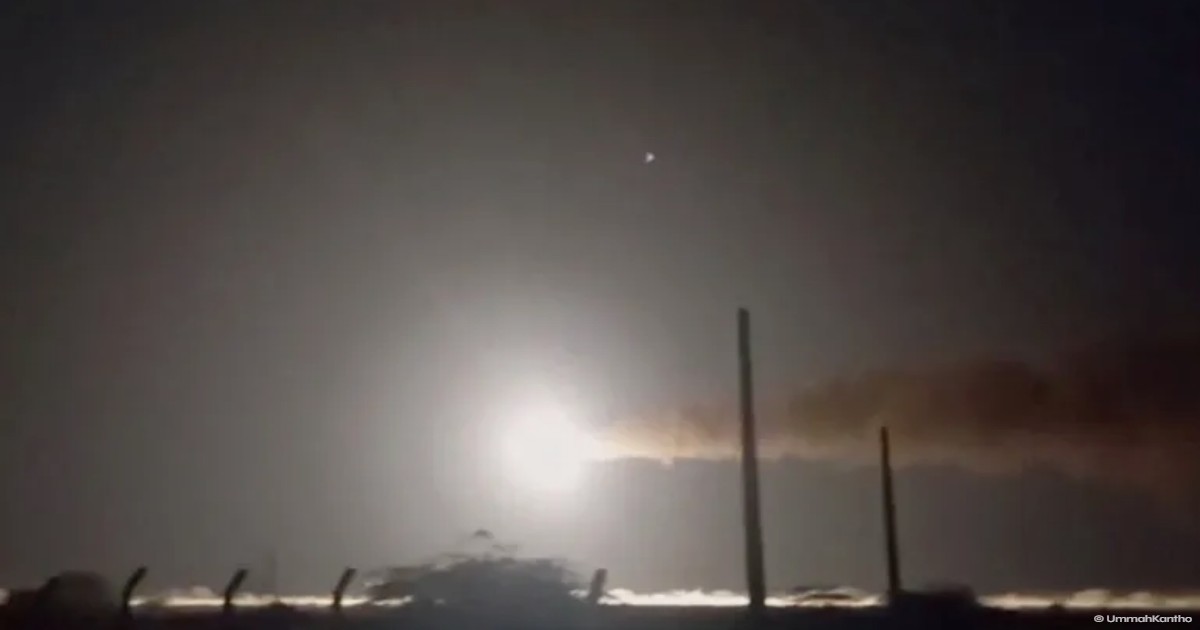
The conflict has also spilled over into neighboring territories, specifically the United Arab Emirates. On Friday, the UAE Ministry of Defence reported multiple explosions as its air defense systems engaged incoming drones and missiles from Iran. The UAE has been a frequent target of Iranian attacks since the war began on February 28, largely due to the presence of U.S. military infrastructure within its borders. Earlier this week, a missile strike on the port of Fujairah caused a fire at an oil refinery, further complicating the regional security landscape and driving global oil prices higher.
The broader context of this conflict remains grim. The war began in late February with joint U.S.-Israeli air strikes on Iranian targets, leading to weeks of intensive fighting. While the April 8 ceasefire provided a temporary reprieve, the lack of a formal peace agreement has left a vacuum filled by sporadic violence. Analysts suggest that Tehran’s upcoming response to the latest U.S. peace proposal will be the deciding factor in whether the region plunges back into full-scale war or moves toward a sustainable resolution.
As it stands, the Strait of Hormuz remains a dangerous flashpoint where any minor miscalculation could trigger a global economic catastrophe. The current ceasefire is being held together by the thinnest of threads, and Thursday’s exchange of fire suggests that both Washington and Tehran are still prepared for a return to open hostilities if diplomacy fails. The eyes of the world are now on Tehran, awaiting a signal that could either silence the guns or restart the engines of war.