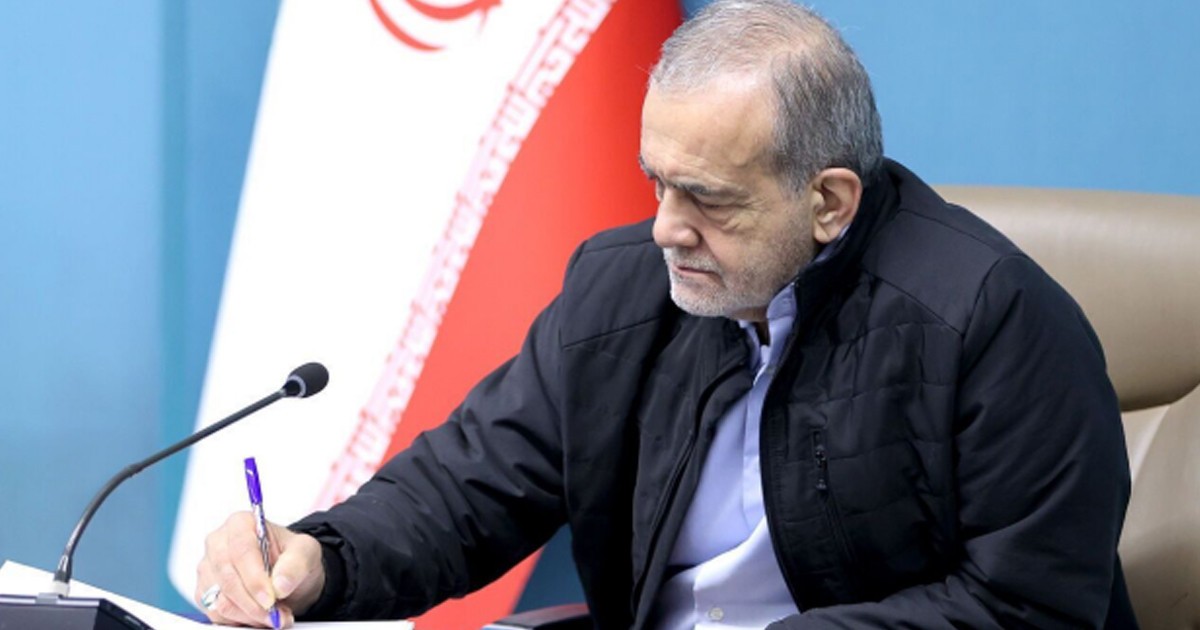
Iranian President Masoud Pezeshkian has issued a firm declaration regarding the spiritual and political resilience of the Muslim world. In a statement shared on social media platform X and reported by state media on Wednesday, Pezeshkian asserted that the absolute submission of Muslims to the Almighty protects them from yielding to any worldly power. His remarks come amid heightened geopolitical tensions in the Middle East and serve as a reaffirmation of Iran`s long-standing policy of resistance.
According to a report by the Islamic Republic News Agency (IRNA), President Pezeshkian emphasized that religious faith is the ultimate shield against foreign coercion. "We Muslims have already surrendered, but only to Almighty Allah," Pezeshkian wrote. He further noted that because of this foundational theological commitment, no other power can successfully force them into submission or any form of external surrender. The President`s message highlights the intersection of faith and national sovereignty, framing religious devotion as a source of political strength.
Specifically addressing the Shia community, Pezeshkian stated that followers of this faith cannot be compelled to surrender through force or pressure. This sentiment resonates with the historical narrative of the Shia school of thought, which often emphasizes resistance against perceived injustice and external domination. Analysts suggest that by making such statements, Pezeshkian is signaling to international actors that traditional methods of diplomatic or military pressure will remain ineffective against Tehran`s core ideological and political goals.
The President`s rhetoric is consistent with his recent diplomatic engagements. During a reported telephone conversation with the Iraqi Prime Minister, Pezeshkian urged the United States and its allies to withdraw military threats from the region. He argued that intimidation and military posturing would fail to coerce Shia Muslims, as their commitment to Allah transcends the fear of physical force. This stance reflects a broader effort by the Iranian administration to consolidate its regional influence while maintaining a defiant posture against Western demands.
President Pezeshkian’s assertion underscores a key element of Iranian foreign policy: the belief that spiritual resilience is a prerequisite for political survival. By framing the refusal to yield to external pressure as a religious obligation, the President aims to unify the domestic populace while providing a clear message to global powers. As the region navigates a complex period of transition and conflict, Pezeshkian’s words serve as a reminder that for many in the Muslim world, ultimate authority remains a matter of faith that cannot be bargained away or intimidated.