How do young people learn and practice generosity? This question often puzzles parents and community leaders who want to raise compassionate children. According to Meredith McNabb of the Lake Institute on Faith & Giving, generosity is not an fixed trait that some are born with and others are not. Instead, it is a value that can be taught through three specific pillars: example, practice, and reflection. When adults model giving and create space for children to experience it firsthand, the results can be life-changing for the next generation.
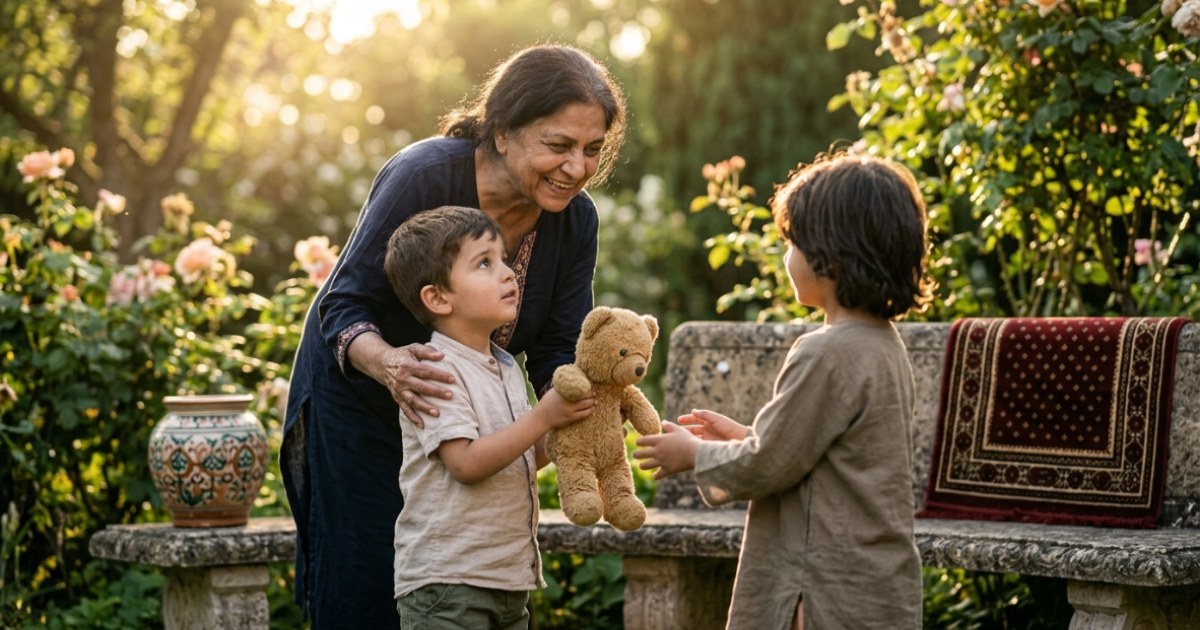
The most effective way to teach generosity is through modeling. Children are incredibly observant, and they prioritize what they see over what they hear. McNabb points out that "do as I say, not as I do" is a failed strategy in moral education. If faith leaders and parents demonstrate a spirit of giving in their own lives, children begin to recognize and internalize these actions long before they fully understand the complex reasons behind them. Over time, this observed behavior becomes a blueprint for their own character development.
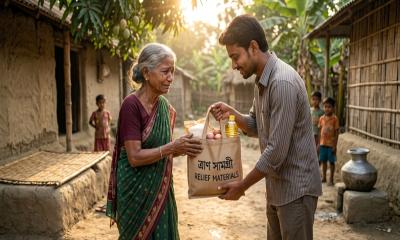
It is important to remember that for children, generosity often looks different than it does for adults. Since most young people do not have significant financial resources, they must learn to give in other ways. This includes being generous with their time, attention, and encouragement. For instance, some youth groups have reframed "no-phone" policies as an exercise in giving one`s full attention to the human beings in the room. This shift helps children understand that generosity is about enhancing the wellbeing of others, whether through a tangible gift or a simple act of kindness.
Another powerful strategy is the celebration of stories. Research has shown that when children reflect on times they were generous, it builds core memories that encourage future giving. In one project, students were asked to write storybooks about their own experiences with generosity. This act of remembering and documenting their impact on others reinforces the value of the practice. By highlighting real-life examples of giving within a community or family, adults can help children see themselves as active participants in making the world a better place.
Finally, reflection and discussion are necessary to help generosity take deep roots. As children grow older, they need to engage in meaningful conversations about the values that drive their actions. Discussing sacred texts or community needs can help them connect their personal experiences to a larger purpose. Whether it is during a significant life milestone like a graduation or a simple conversation about a family budget, these moments invite young people to consider how their choices impact others. Ultimately, fostering generosity is about more than just raising funds; it is about building resilient, empathetic individuals who find joy in sharing.