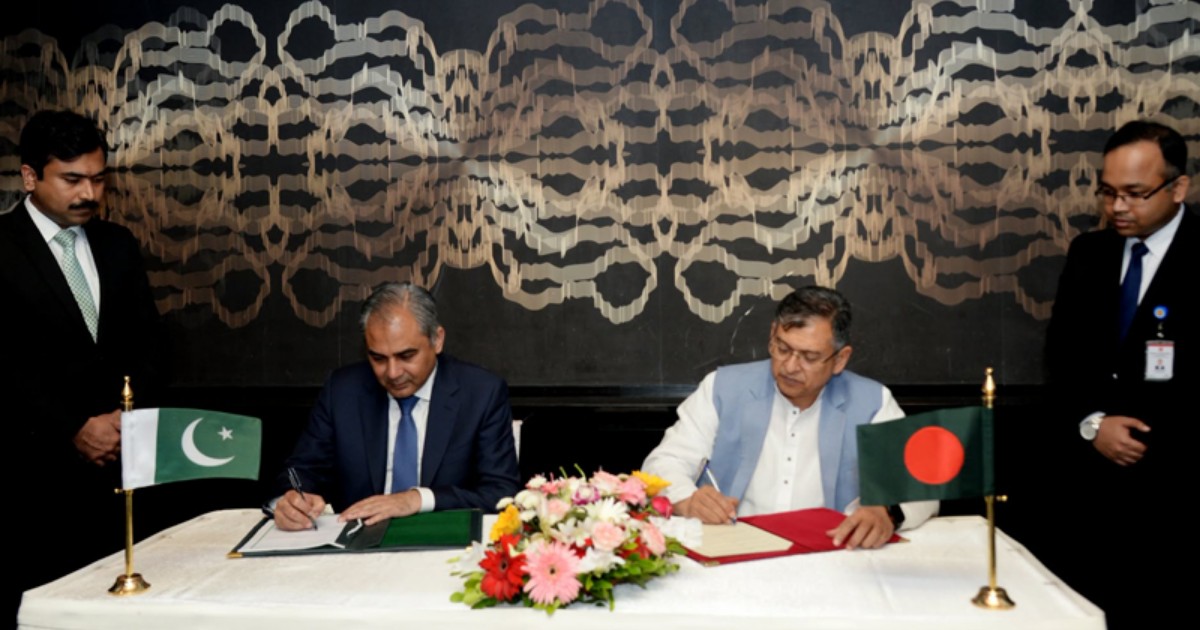
In a significant move to bolster regional security and public health, the governments of Bangladesh and Pakistan have officially entered into a 10-year partnership to combat the illegal trafficking of narcotics and psychotropic substances. A Memorandum of Understanding (MoU) was signed between the two nations on Friday, May 8, at the Hotel InterContinental in Dhaka. This long-term agreement is designed to create a structured framework for the exchange of intelligence and technical expertise to dismantle transnational drug smuggling networks.
The MoU was signed by Bangladesh’s Home Minister Salahuddin Ahmed and Pakistan’s Interior Minister Syed Mohsin Raza Naqvi. Under the terms of this agreement, both countries will share real-time information regarding drug traffickers, international criminal organizations, and the increasingly sophisticated methods used to conceal narcotics. The collaboration specifically targets not only the physical smuggling of drugs but also the financial aspect, aiming to curb the money laundering activities inherently linked to the global drug trade.
A critical component of this bilateral cooperation is the implementation of "controlled delivery operations." This tactical approach allows law enforcement agencies in one country to track illicit shipments while coordinating with their counterparts in the other country to apprehend the suspects red-handed. Furthermore, the pact includes provisions for technical assistance, such as sharing experiences in using advanced detection equipment and sniffer dogs. Both nations have also agreed on the importance of scientific research and the continuous training of narcotics control officers to stay ahead of evolving smuggling routes.
To ensure seamless communication, the Department of Narcotics Control (DNC) in Bangladesh and the Anti-Narcotics Force (ANF) in Pakistan have been designated as the official focal points. Both ministers emphasized that all shared intelligence would be treated with the highest level of confidentiality and would not be disclosed to any third party without mutual consent. The 10-year duration of the agreement reflects a long-term commitment to regional stability, with an option for renewal based on the progress achieved.
During the signing ceremony, Home Minister Salahuddin Ahmed stated that narcotics pose a grave threat to the youth and the social fabric of both nations. He highlighted that this partnership would effectively close loopholes in maritime and aerial smuggling routes. Pakistan’s Interior Minister Mohsin Naqvi echoed these sentiments, noting that a united front is the only way to defeat the global drug syndicate. Political analysts view this MoU as a strategic milestone in Dhaka-Islamabad relations, emphasizing that such cooperation is essential for ensuring the well-being of the citizens in the South Asian region.