South Asia is currently enduring a catastrophic climate event that has pushed the boundaries of human endurance. Over the past several weeks, a record-breaking heatwave has gripped India, Pakistan, and Bangladesh, with temperatures in several regions soaring toward the 50°C (122°F) mark. This unprecedented thermal surge is not merely a seasonal anomaly; it represents a deepening crisis in one of the world’s most densely populated regions. As hundreds of millions struggle to survive under the relentless sun, experts are pointing toward human-driven climate change and a powerful El Niño as the primary catalysts for this growing disaster.
The human toll of this heatwave has already begun to mount. In Karachi, Pakistan’s largest city, at least 10 deaths were reported by emergency services within a single 24-hour period as temperatures breached 44°C (111°F). The city, already grappling with chronic power shortages and water scarcity, has seen its healthcare infrastructure strained to the limit. The Edhi Welfare Trust reported that many of the bodies recovered from the streets showed clear signs of fatal heatstroke. Across the border in India, the situation is equally dire. States like West Bengal have reported multiple heat-related deaths, including those of school teachers, forcing the government to shut down educational institutions weeks earlier than planned. Temperatures in central and northwestern India have consistently exceeded 46°C, creating "oven-like" conditions for urban dwellers.
Scientific analysis conducted by organizations like World Weather Attribution and the World Meteorological Organization (WMO) indicates that climate change has made such extreme heat events in South Asia 30 times more likely. The pre-monsoon heat, which used to be a predictable feature of the subcontinental summer, has become far more intense, longer-lasting, and geographically widespread. The 2026 heatwave is also being fueled by a "Super El Niño" in the Pacific, which is projected to make this year and the next among the warmest in recorded history. Furthermore, the "urban heat island" effect is exacerbating the crisis in megacities like Dhaka, Delhi, and Karachi. These concrete-heavy urban centers absorb immense amounts of heat during the day and fail to cool down at night, depriving the human body of the critical recovery time needed to prevent heat exhaustion.
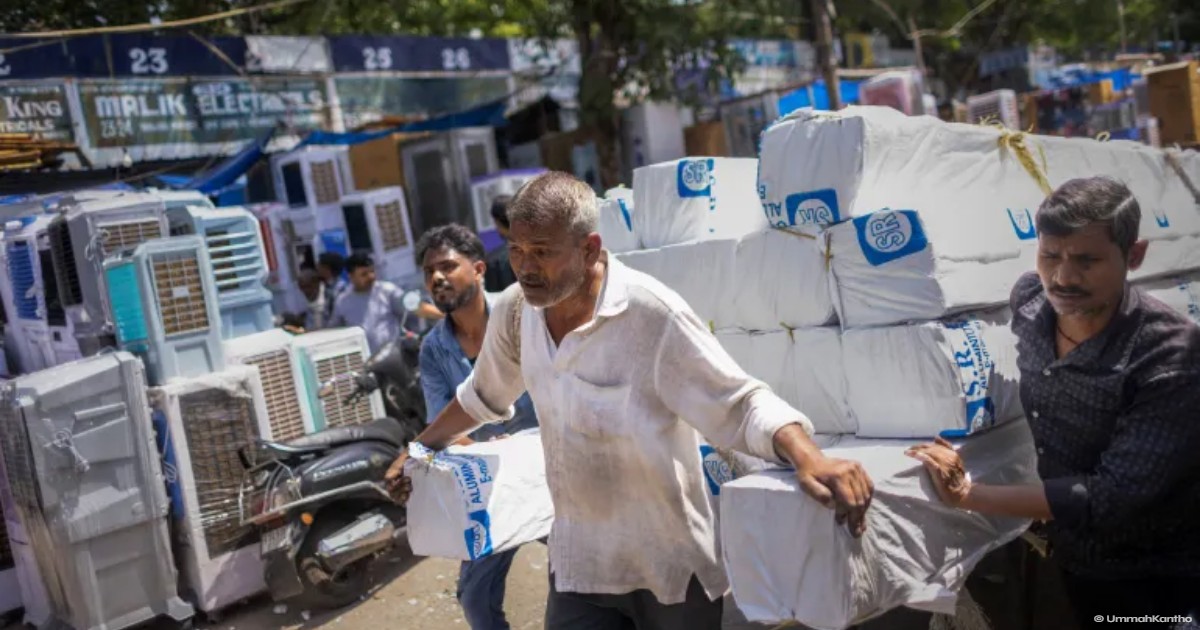
The socio-economic implications of this heatwave are vast and devastating. Agriculture, the backbone of the South Asian economy, is under immense threat. Early estimates suggest that crop yields for wheat, rice, and maize could drop by as much as 10 to 30 percent in parts of India and Pakistan. The combination of intense heat and lack of rainfall has dried up critical irrigation sources, leading to massive crop failures. Moreover, the economic cost of lost labor productivity is staggering. Outdoor workers—construction laborers, rickshaw pullers, and farmers—are forced to choose between risking their lives in the heat or losing their daily wages. The International Labour Organization has warned that South Asia is losing billions of potential working hours annually due to extreme heat, a trend that is severely undermining regional economic growth and deepening income inequality.
Experts warn that this is not a transient crisis but a glimpse into a new, harsher reality for South Asia. A United Nations report has suggested that by the end of the century, megacities in the region could endure over 300 days a year with a heat index above 35°C. The speed at which Asia is warming—nearly twice as fast as the global average—places it at the epicenter of the global climate emergency. While governments have begun implementing "Heat Action Plans" and early warning systems, these measures are often insufficient against the scale of 50°C temperatures. There is an urgent need for systemic changes, including urban redesign, massive reforestation efforts, and significant global reductions in greenhouse gas emissions.
In conclusion, the record heatwave of 2026 is a clarion call for the global community. The residents of South Asia are paying a heavy price for a crisis they largely did not create. From the dusty streets of Karachi to the crowded markets of Dhaka, the cry for relief is becoming a roar of desperation. Without immediate and coordinated global climate action, the "calamity" currently sweeping through South Asia will become a permanent and even more lethal fixture of the regional landscape. The balance of nature has been disrupted, and the people of South Asia are standing on the front lines of its most punishing consequences.