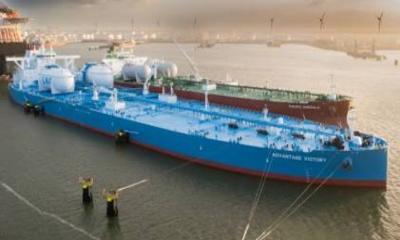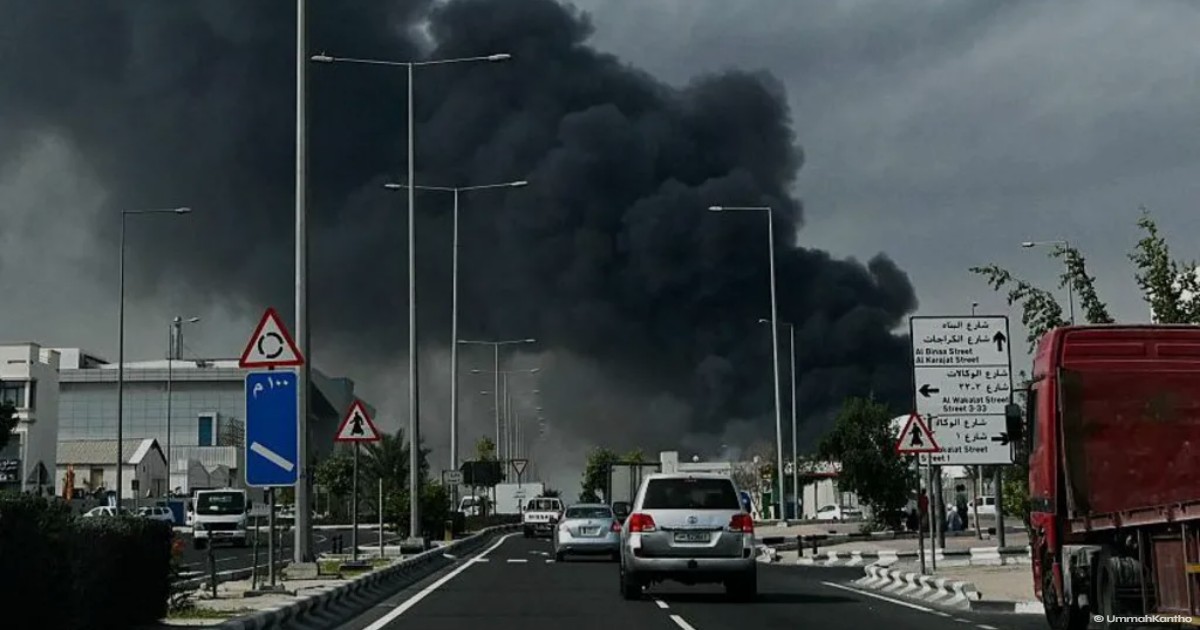
The architectural marvel of the modern Gulf states was built on a foundation of fossil fuels, specifically the strategic development of natural gas and oil reserves that transformed desert landscapes into global financial hubs. For over thirty years, nations like Qatar, Saudi Arabia, and the United Arab Emirates enjoyed a period of unprecedented stability and wealth. However, the dawn of 2026 has brought a chilling reality to the fore as the escalating military confrontation between Iran and the Israel-US alliance threatens to dismantle decades of economic progress. The catalyst for this localized depression was the March 18 ballistic missile strike on Qatar’s Ras Laffan gas complex—a strike that did not just hit a physical facility but paralyzed 17% of the entire global liquefied natural gas (LNG) supply. This single event is projected to cost state-owned QatarEnergy roughly $20 billion in annual revenue, with repair timelines stretching between three to five years.
To understand the gravity of the situation, one must look back at the early 1990s when Qatar made a high-stakes gamble on natural gas to escape economic stagnation. The development of the offshore North Dome field and the construction of Ras Laffan turned Qatar into one of the wealthiest nations on earth. Today, that success is being held hostage by geopolitical volatility. Saad Al Kaabi, the chief executive of QatarEnergy, recently remarked that the scale of the damage at Ras Laffan has effectively set the regional economic clock back by ten to twenty years. This sentiment is echoed by Karen Young, a senior research scholar at Columbia University, who suggests that the attack has shattered the illusion of security that Gulf states had meticulously cultivated through Western alliances and massive defense spending.
The strike on Ras Laffan was part of a broader cycle of retaliation. It followed Israeli strikes on Iran’s South Pars gas field, which geologically shares the same reservoir as Qatar’s North Dome—the world’s largest natural gas reserve. This direct targeting of energy infrastructure marks a shift from proxy warfare to a full-scale economic war. According to the International Energy Agency (IEA), over 80 energy facilities across the Gulf have been targeted since the US and Israel launched strikes on Iran on February 28. More than a third of these facilities have sustained severe damage. While Qatar has taken the most visible hit, Bahrain, Kuwait, Saudi Arabia, and the UAE have all reported significant infrastructure losses. The total economic damage across the Gulf is now estimated at a staggering $58 billion.
The macroeconomic fallout is equally devastating. The World Bank has slashed its growth forecast for the Middle East to a mere 1.8% for the current year, a sharp decline from the 4% growth previously anticipated for 2026. Experts at the bank have warned of long-term "scarring," a term used to describe permanent damage to the productive capacity of an economy. Qatar and Kuwait are expected to witness the most significant contractions. Beyond the physical damage, there is a profound crisis of investor confidence. The Gulf, once seen as a safe haven for international capital and large-scale foreign direct investment (FDI), is now viewed as a high-risk combat zone. This shift in perception could halt the ambitious economic diversification plans—such as Saudi Arabia’s Vision 2030 or Qatar’s National Vision 2030—which rely heavily on external investment and tourism.
As the conflict lingers, the global implications become clearer. The disruption of LNG flows to key Asian markets, including China and Japan, is driving up energy prices worldwide, contributing to inflationary pressures across the globe. This is no longer just a regional skirmish; it is a systemic threat to the global energy transition and economic stability. The "scarring" the World Bank warns of refers not just to burnt-out refineries but to the loss of years of diplomatic and economic integration. Unless a decisive diplomatic resolution is reached, the Gulf economies may find themselves trapped in a cycle of reconstruction and stagnation, haunted by the very resources that once made them invincible. The fires at Ras Laffan are a grim reminder that in the modern world, the most valuable assets are also the most vulnerable targets.