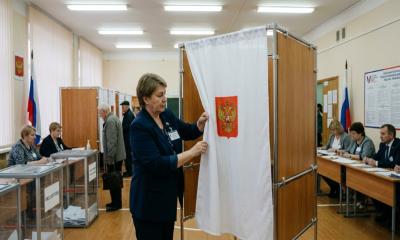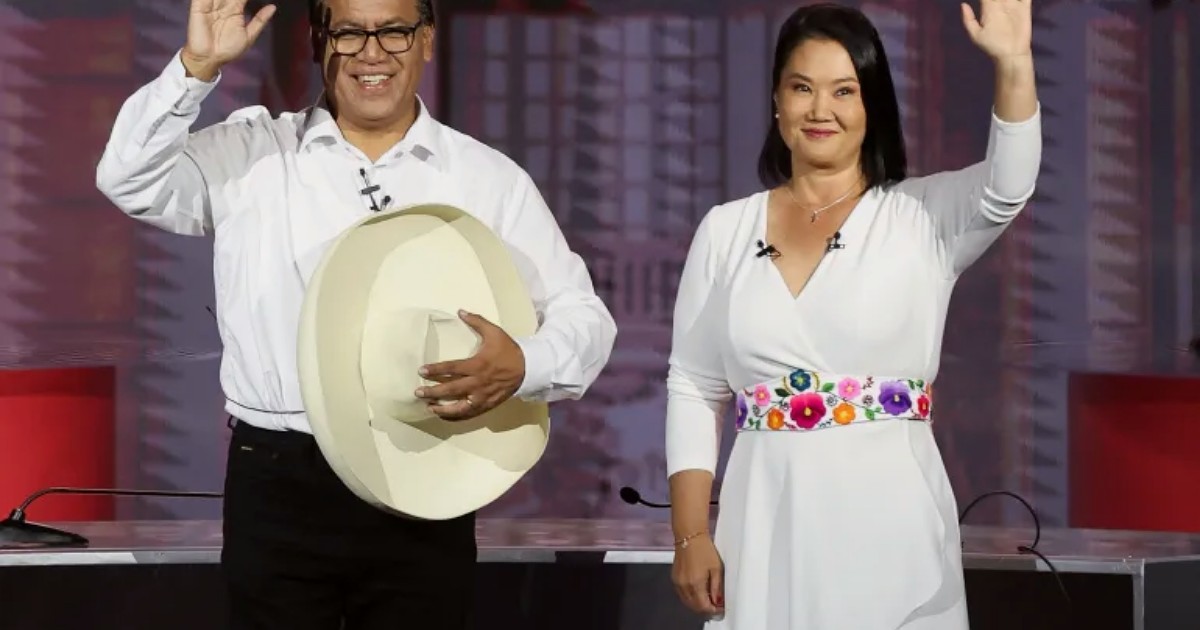
Peruvians are preparing to head to the polls this Sunday for a decisive presidential runoff election that represents a critical turning point for the nation. The contest features conservative candidate Keiko Fujimori against leftist rival Roberto Sanchez. The election follows a tumultuous eight-week period marked by administrative delays, fraud allegations, and public protests that have intensified after the first round of voting concluded on April 12. This runoff is widely viewed as a referendum on the direction of a country that has cycled through eight presidents in the last decade.
Keiko Fujimori, the daughter of former President Alberto Fujimori, is making her fourth bid for the presidency. A polarizing figure in Peruvian politics, she has focused her campaign on a hardline security platform. With crime rates rising in Lima and other urban centers, Fujimori has promised tougher prison conditions, military deployment, and a restoration of order. Supporters view her candidacy as the most viable path to overcoming the political and social instability that has gripped Peru for years. However, her familial legacy remains a point of contention for many voters who associate her father’s term with authoritarianism and corruption.
Opposing her is Roberto Sanchez, a leftist congressman and former government minister who has positioned himself as an ally of the incarcerated former President Pedro Castillo. Sanchez is advocating for what he calls radical change, proposing significant reforms to Peru’s constitution and pledging to increase taxes on the nation’s mining industry. His campaign has resonated strongly with rural and low-income populations who feel neglected by the political establishment. Critics of Sanchez, however, argue that his proposals to overhaul the economic framework could lead to capital flight and further exacerbate the country’s precarious financial situation.
The lead-up to this final round has been fraught with tension. The April first-round election was marred by logistical failures, including the late arrival of ballot papers and the delayed opening of polling stations, which prevented thousands from voting. The subsequent vote count lasted over a month, fueling accusations of fraud from third-place candidate Rafael Lopez Aliaga, although international observers found no evidence of systematic malfeasance. The resulting resignation of electoral officials further eroded public trust in the country`s democratic institutions.
The outcome of this Sunday’s election will be critical for Peru’s future stability. Regardless of who secures the presidency, the winner will inherit a fractured Congress and a polarized electorate. With roughly 27 million eligible voters, the stakes could not be higher. As the country braces for the results, international observers and domestic citizens alike are questioning whether this election will finally break the cycle of political crisis that has defined Peru`s recent history, or if the deep-seated divisions will continue to threaten the nation`s fragile governance.