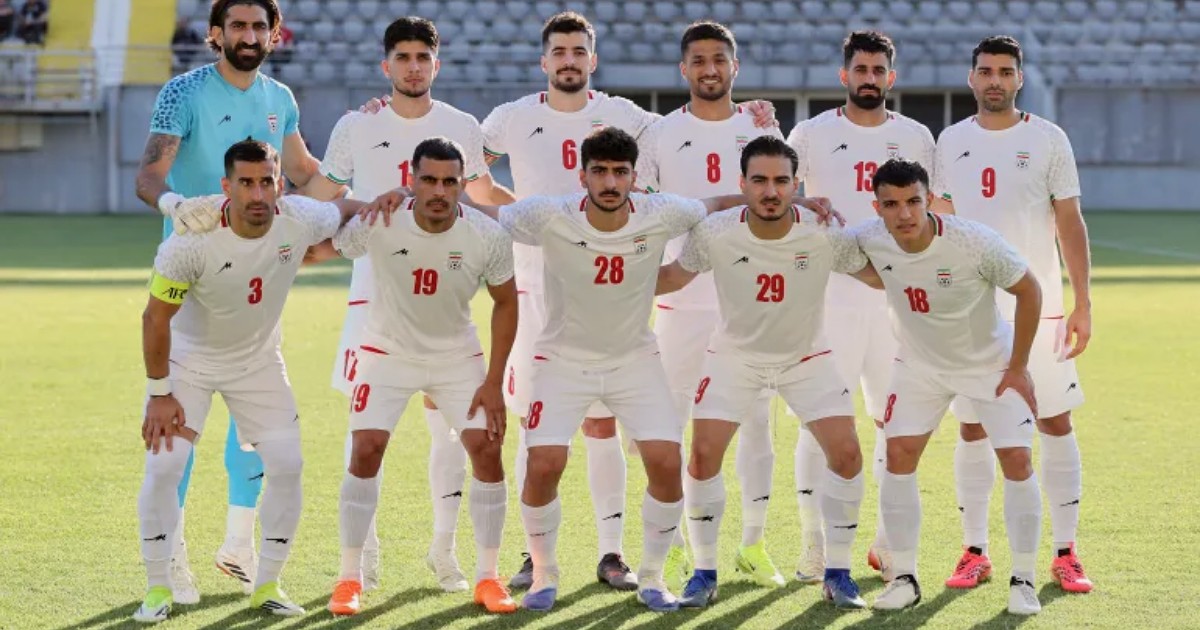
The national football squad of Iran has submitted their passports to the United States embassy in Turkey to facilitate the visa application process ahead of the 2026 FIFA World Cup. According to Mehdi Taj, president of the Iranian Football Federation (FFIRI), the squad is acting under the specific instructions of FIFA. The process comes as the team prepares to depart for Mexico, where they have been granted entry, while their participation in matches scheduled within the United States remains subject to ongoing diplomatic clearance.
Iranian football officials have expressed significant concern regarding the timing of these visa approvals. With the tournament fast approaching, the team is scheduled to travel from their training base in Turkey to Tijuana, Mexico, this weekend. While the Mexican government has already issued the necessary travel documents for the delegation, the group matches against New Zealand, Belgium, and Egypt require entry into American territory. FFIRI officials are currently monitoring the situation in Ankara, expecting a decision from the US embassy within the next forty-eight hours.
The team’s preparations have been complicated by the geopolitical climate, specifically the fallout from the regional war that escalated in February. Following a series of airstrikes on the Islamic Republic, the domestic Iranian league was suspended, forcing the national side to relocate their training activities abroad. The squad recently completed a series of friendly matches in Antalya, Turkey, concluding with a 2-0 victory over Mali on Thursday. Despite the positive result on the field, the shadow of political tension looms over their travel plans.
FFIRI President Mehdi Taj noted that the federation has communicated its concerns to FIFA, suggesting that if visas are denied for essential players or technical staff, the federation may be forced to explore alternative actions. While the specific nature of those alternatives remains undisclosed, the statement reflects the high stakes surrounding the squad`s tournament prospects. The federation has been working closely with international football authorities to ensure the entire delegation is able to travel together for their scheduled matches in Los Angeles and Seattle.
Complicating matters further are the restrictive policies regarding the Islamic Revolutionary Guard Corps (IRGC). US Secretary of State Marco Rubio has affirmed that while the athletes themselves are expected to face no issues entering the country, the US government maintains a strict stance against admitting any officials or support staff linked to the IRGC, which is designated as a terrorist entity by Washington. This political divide has already impacted international sporting events, as seen when FFIRI leadership faced entry denials during previous diplomatic gatherings in Canada. As the tournament kickoff nears, the focus remains on whether the sporting body and diplomatic channels can resolve these hurdles in time for the team’s scheduled arrival on American soil.