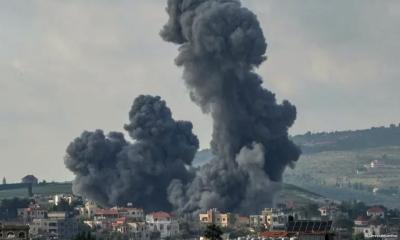
Military clashes in the Gulf region have escalated significantly following coordinated Iranian drone and missile strikes on Kuwait International Airport on Wednesday morning. Kuwait`s state news agency, KUNA, reported that the attacks inflicted severe damage on multiple airport facilities. Consequently, all aviation and transport activities at the prominent regional transit hub have been frozen until further notice.The strike resulted in one confirmed civilian fatality and left several others wounded.
Kuwait`s Ministry of Foreign Affairs strongly condemned the operation, stating that Tehran explicitly targeted vital civilian infrastructure. The ministry added that unnamed foreign diplomatic missions located within the vicinity also sustained structural damage during the bombardment. Regional security officials noted that neighboring Bahrain was similarly targeted in the wave of aggression. These developments followed a statement by the US Central Command, which asserted it had successfully neutralized a separate series of Iranian threats on Tuesday.
According to CENTCOM, several ballistic missiles launched by Tehran toward regional neighbors failed to hit their intended targets or were intercepted. US forces also shot down three attack drones aimed at civilian mariners operating within international waters. In immediate retaliation, the US military launched self-defense strikes against an Iranian military ground control station on Qeshm Island. The Pentagon confirmed that no American personnel sustained injuries during the counter-operation.
Direct diplomatic engagements between Washington and Tehran remain stalled despite the rapid military escalation. The ongoing friction threatens to disrupt critical maritime routes and international energy supplies across the wider Middle East. Security experts warn that the direct targeting of Kuwaiti civil infrastructure marks a dangerous new chapter in the regional conflict.