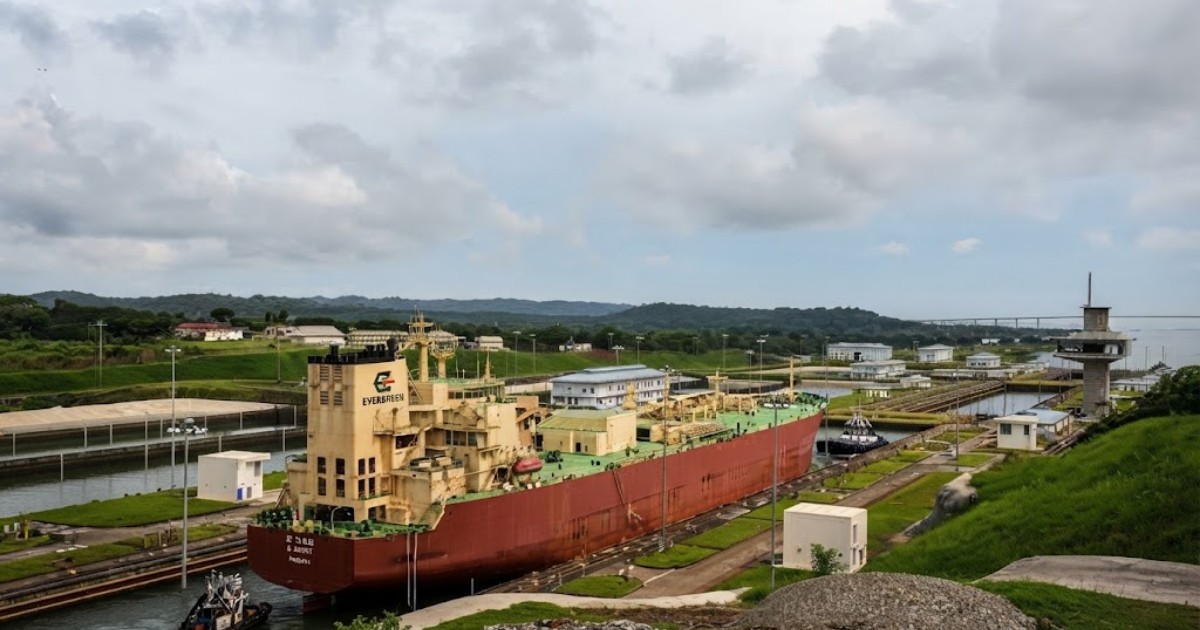
While maritime trade continues to experience severe disruptions across the Strait of Hormuz, international shippers are now facing fresh constraints at another vital global maritime chokepoint: the Panama Canal, according to Al Jazeera and Reuters.
The Panama Canal Authority announced that the number of vessels permitted to pass through the waterway will be reduced due to declining water levels driven by the El Nino weather phenomenon and below-average rainfall across the region. Beginning this week, daily transits are capped at thirty-four vessels, down from the traditional capacity of forty per day. The limit is scheduled to decrease further to thirty-two vessels by mid-September.
Canal authorities reported that rainfall from May to August dropped thirty-four percent below historical averages, prompting urgent water conservation measures. The Panama Canal handles approximately five percent of total global sea trade, with seventy percent of cargo originating from or destined for the United States.
In addition to seasonal drought challenges, the waterway has experienced a surge in traffic this year as nations seek alternative energy supplies following the ongoing crisis and restrictions in the Strait of Hormuz. The disruption in the Gulf has redirected massive shipments of crude oil and liquefied petroleum gas from North and South America toward the canal, significantly increasing congestion.
Consequently, auction prices for priority transit slots have skyrocketed, with record bids recorded as shipping companies compete for passage. Industry analysts from international shipping associations warn that the capacity restrictions will place additional strain on global supply chains, forcing carriers to consider longer, more costly alternative routes around Africa`s Cape of Good Hope and driving freight rates higher across major trade lanes.