The United Nations has doubled its humanitarian aid appeal for Lebanon, citing a severe and deteriorating situation caused by four months of intense conflict with Israel. The UN’s humanitarian agency, OCHA, stated on Friday that it requires nearly $640 million over the next six months to provide essential support. This figure is a significant increase from the $308 million appeal launched in March, following the initial outbreak of hostilities triggered by US and Israeli strikes on Iran.
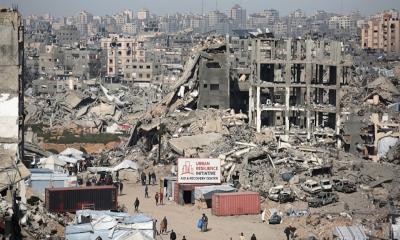
OCHA reported that despite receiving $185 million from its earlier appeal, the scale of the need has far outstripped current resources. The agency is now calling for an additional $331 million on top of the original target sum. Israel has steadily expanded its military operations in southern Lebanon, maintaining its objective of targeting the Iran-linked Hezbollah group. This escalation has had a catastrophic impact on the civilian population, with Lebanon’s Ministry of Public Health reporting 3,526 deaths and 10,733 injuries since March 2.
The displacement crisis is equally alarming, with more than one million people forced to flee their homes. OCHA noted in its statement that repeated displacements, a lack of shelter capacity, and the absence of safe return options are deepening the vulnerability of the affected population. Many individuals are rapidly exhausting their coping capacities as essential services, including water and sanitation, remain under severe strain. UN Resident and Humanitarian Coordinator Imran Riza described the situation facing communities across Lebanon as appalling, adding that the civilian toll is worsening by the day.
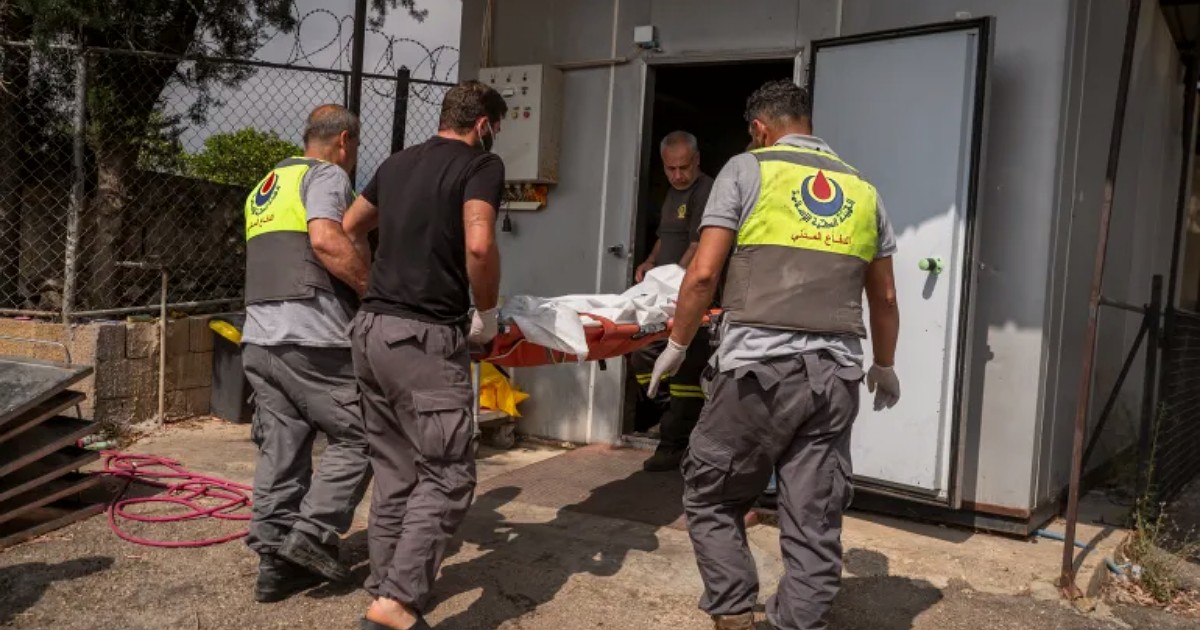
The humanitarian impact is further compounded by a broader economic crisis. The effects of the US-Israeli conflict on global energy supplies have caused fuel and electricity prices to surge within Lebanon, making basic services increasingly unaffordable. The healthcare sector is particularly crippled, with 62 hospitals reporting damage or total closure due to the conflict. Furthermore, Lebanese health authorities have confirmed the deaths of more than 100 paramedics, severely limiting the ability of emergency services to respond to the ongoing crisis.
The country`s education system has also been forced to adapt to the reality of the war. Nearly 450 schools have been repurposed as shelters for displaced families, leading to a significant increase in dropout rates and a loss of educational continuity for thousands of children. Political efforts to reach a ceasefire have thus far failed to provide relief. Hezbollah has explicitly rejected the conditional ceasefire agreement proposed in Washington on Thursday, demanding instead an immediate and full ceasefire accompanied by the total withdrawal of Israeli forces from the country. As the military confrontation persists, the international community faces the challenge of mobilizing enough funding to address what has become one of the region`s most acute humanitarian emergencies.