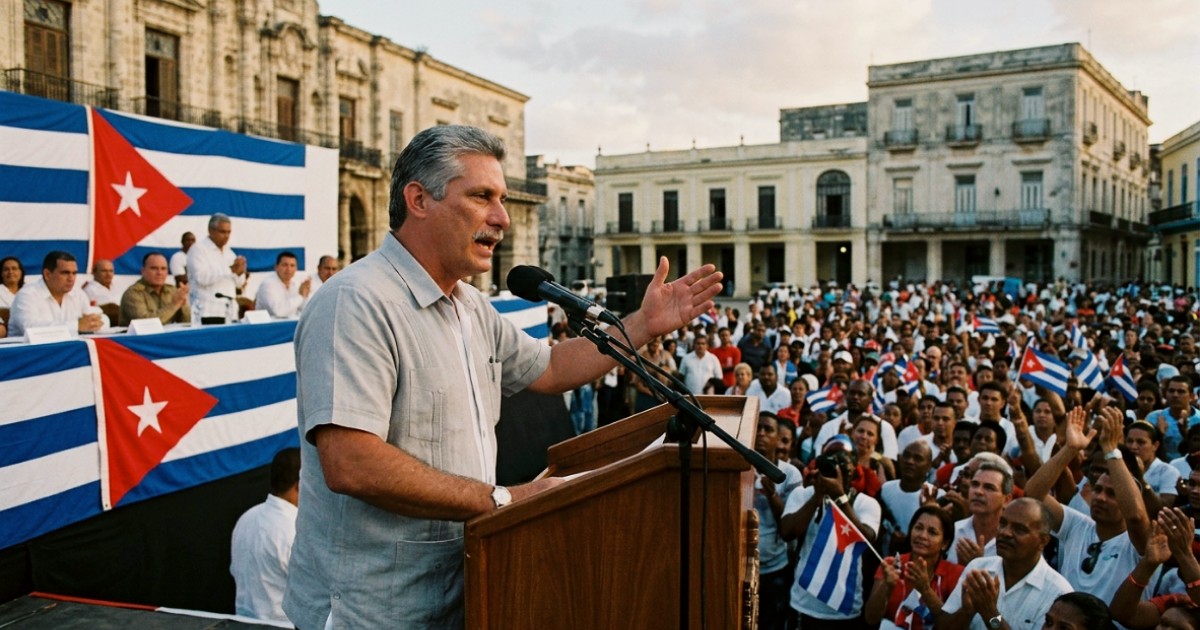
The United States has imposed fresh sanctions on Cuban President Miguel Diaz-Canel and several high-ranking government officials. The measures, which were unveiled on the US Treasury Department website on Thursday, represent a significant escalation in Washington’s ongoing campaign to pressure the island’s leadership. The sanctions extend to the president’s wife and stepson, as well as the son and grandson of former president Raul Castro, for whom an arrest warrant was issued last month.
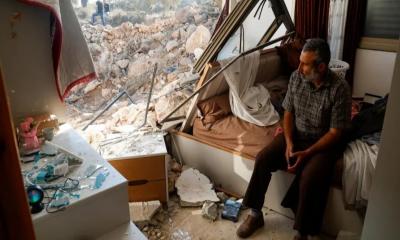
These actions come at a time when Cuba is grappling with a severe humanitarian crisis. The country has been enduring chronic shortages of food, medicine, and fuel, leading to daily power outages that can last up to 22 hours. The island has become increasingly dependent on aid shipments from Mexico and China as domestic infrastructure struggles to function. Washington claims that the communist regime in Havana poses a direct threat to US security interests, a narrative that President Donald Trump has utilized to justify ramping up political and economic pressure.
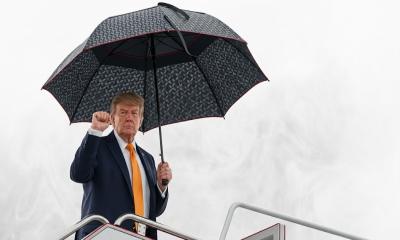
President Trump has maintained an aggressive stance toward left-wing governments in the Americas. During remarks on Thursday, he alluded to potential military maneuvers against Cuba, suggesting that once issues in Iran are addressed, the US might turn its attention to the island. Trump characterized Cuba as a country that has essentially collapsed, stating that the administration wants to ensure it becomes a well-managed state. Despite these statements, he denied that the sanctions were specifically designed to accelerate the collapse of the regime, though the optics suggest otherwise.
In response to the announcement, President Diaz-Canel accused the US administration of political blindness. He argued that the measures are designed solely to harm the Cuban people and asserted that the nation remains determined to confront imperialist pressure. Cuban Foreign Minister Bruno Rodriguez labeled the sanctions as vile and characterized them as a clear example of continued US interventionism. He emphasized that any threat to Cuba’s independence would only serve to strengthen the unity and resolve of the Cuban population.
The Caribbean nation has been subject to a US trade embargo since 1962, but the current administration has significantly intensified its enforcement. In addition to individual sanctions, Washington has targeted the Ministry of the Revolutionary Armed Forces and the Committees for the Defense of the Revolution, which monitor potential dissent. As the geopolitical tension rises, Cuba finds itself increasingly isolated from the Western financial system. Observers worry that the combination of economic blockade and domestic collapse will continue to exacerbate the suffering of ordinary Cubans, while the prospect of a diplomatic resolution remains increasingly distant.