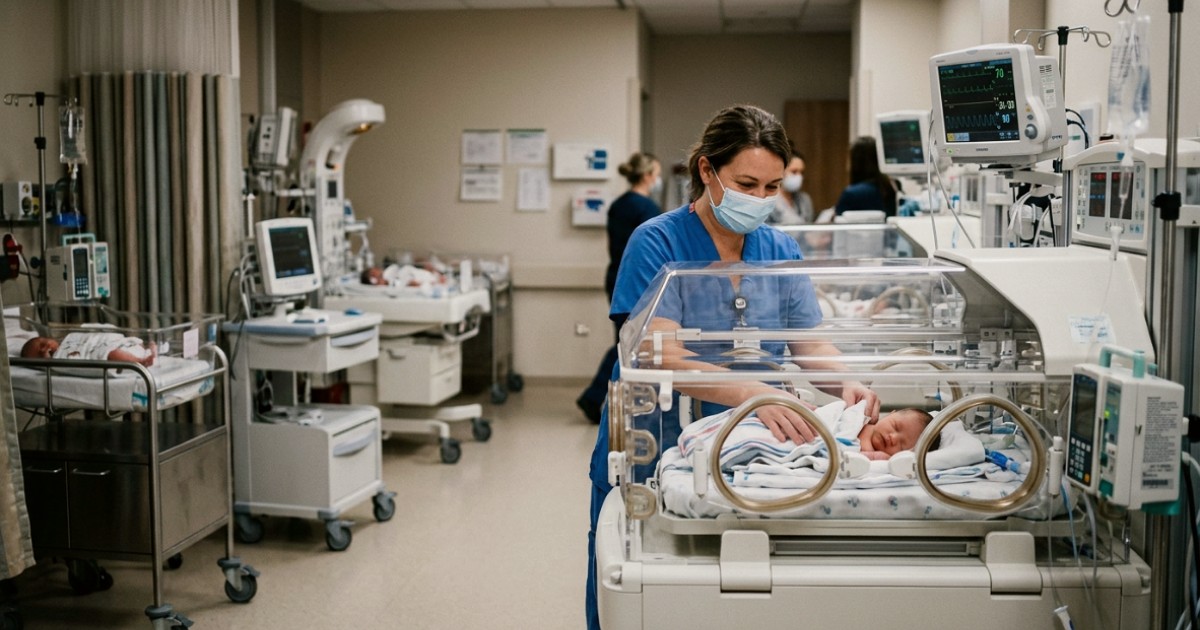
A recent analysis conducted by the BBC indicates that one in four births in England is now delivered via emergency caesarean section. This finding marks a substantial shift in maternity care trends over the past five years. The unplanned surgical deliveries have increased by eight percentage points, while the rate of vaginal births without instrumental assistance has experienced a decline, falling from more than half of all deliveries to just 43 percent.
Professor Marian Knight, director of the National Perinatal Epidemiology Unit, described the current situation as a fundamental change in how women give birth in England. She emphasized that this trend has not been mirrored in other European countries to the same extent. While NHS England does not publish specific data regarding the clinical justification for every emergency procedure, experts suggest that a combination of factors, including systemic pressure on operating theaters and a pervasive culture of caution in maternity units, may be driving these figures upward.
The Royal College of Obstetricians and Gynaecologists has reported that maternity services are facing significant strain as they struggle to accommodate the rising demand for surgical interventions. NHS England maintains that all clinical decisions are made by prioritizing the safety and specific circumstances of the individual mother and baby. Despite the notable rise in surgical births, data indicates that rates of neonatal mortality and stillbirths have remained largely stable across the same period.
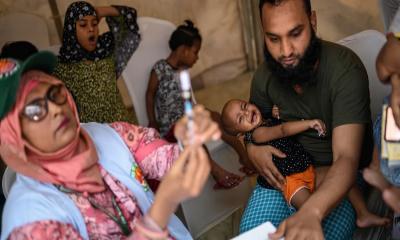
The statistics reveal a notable disparity concerning maternal demographics. While the national average for emergency caesarean sections stands at one in four births, the rate rises to approximately one in three for black and Asian mothers. Professor Shakila Thangaratinam, an obstetrician and women`s health specialist at the University of Liverpool, has raised concerns regarding these findings. She argues that the increase in emergency surgeries is problematic if it does not lead to a corresponding reduction in maternal or newborn complications.
Professor Thangaratinam underscored the lack of consistent and high-quality data explaining the reasons behind these procedures. Without comprehensive reporting, it remains difficult for health professionals to identify the root causes or address potential inequalities in the system. As the healthcare sector continues to navigate these changes, medical experts are calling for more transparent data collection to ensure that women receive the most appropriate care, whether through vaginal delivery or surgical intervention.