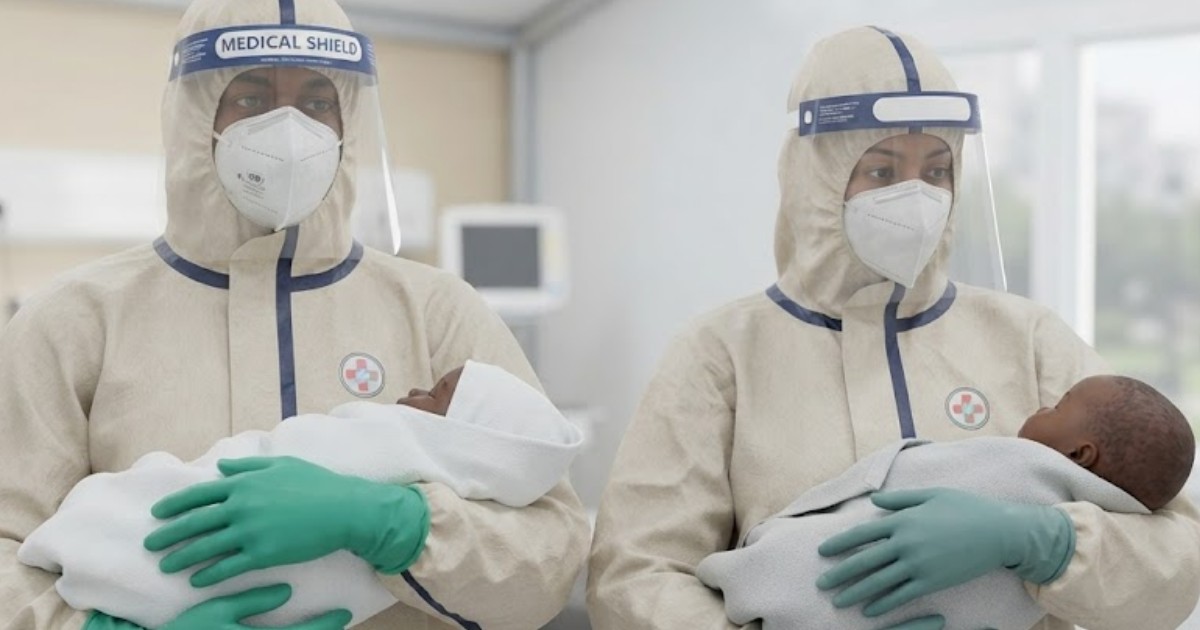
More than three thousand five hundred people have been infected with the Ebola virus in the Democratic Republic of the Congo, making the current crisis the world’s second largest outbreak on record, according to Anadolu and Reuters. Confirmed cases have reached three thousand five hundred thirty-two, the DRC Ministry of Communication and Media announced in an official statement on Friday. The latest data indicates that the ongoing epidemic has surpassed the nation`s tenth historical outbreak, which occurred between August two thousand eighteen and June two thousand twenty with approximately three thousand four hundred seventy recorded cases.
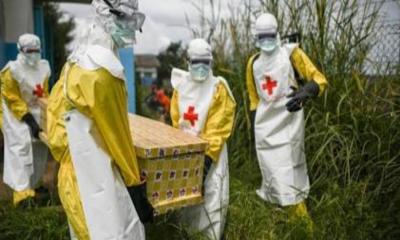
Carl Skau, acting head of the United Nations World Food Programme, told Reuters that this represents the fastest spreading Ebola epidemic ever documented globally. He emphasized that the international community must pay much more attention to the escalating public health emergency in Central Africa. A total of one thousand five hundred fifty-six people have died from the virus, pushing the case fatality rate to forty-four point one percent, figures compiled by the Ministry of Public Health revealed. Furthermore, eight hundred seven patients remain in hospital isolation while six hundred twenty-six individuals have successfully recovered.
Less than three months since the outbreak emerged, the disease has claimed five times as many lives as previous outbreaks had by the exact same stage, data from the Africa Centres for Disease Control and Prevention shows. Historical figures indicate that only the two thousand fourteen to two thousand sixteen West African Ebola outbreak was larger, recording twenty-eight thousand six hundred sixteen cases and eleven thousand three hundred ten deaths across Guinea, Liberia, and Sierra Leone according to the World Health Organization. The current DRC outbreak is driven by the rare Bundibugyo strain of the Ebola virus, which currently lacks any approved vaccine or specific medical treatment.
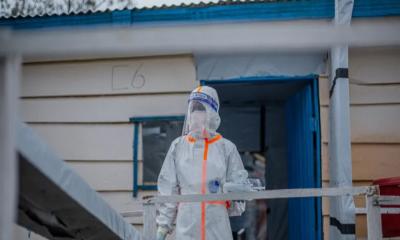
Frontline medical personnel are simultaneously battling severe security challenges, armed group attacks on health facilities across the eastern provinces, and significant foreign aid cuts that have severely strained operational resources. Deep-seated mistrust among local communities regarding government authorities and traditional health practices continue to create formidable hurdles in containing viral transmission chains. Angele Gapio, head of emergencies for the Caritas charity in Bunia, told Reuters that awareness campaigns are faltering while exhausted responders struggle to reach affected populations seeking help from traditional healers.
The World Health Organization warned earlier this month that the true scale of the epidemic could be up to four times higher than official statistics indicate due to underreporting in remote areas. Meanwhile, the Africa CDC stated that one point four billion dollars will be required to effectively contain the outbreak, tripling previous financial estimates. The virus has now impacted five distinct provinces across the DRC, including Haut-Uele, Ituri, North Kivu, South Kivu, and Tshopo, prompting urgent calls for expanded international support and coordinated intervention.
Public health experts warn that porous borders and high population mobility across Central Africa further elevate the risk of regional transmission if containment measures are not urgently scaled up. International partners are reviewing funding allocations to ensure that frontline treatment centers receive essential protective gear, diagnostic tools, and therapeutic supplies. Without a sustained, coordinated global response, health officials caution that the epidemic could overwhelm regional health systems and reverse years of epidemiological progress achieved in combating infectious diseases across the continent.