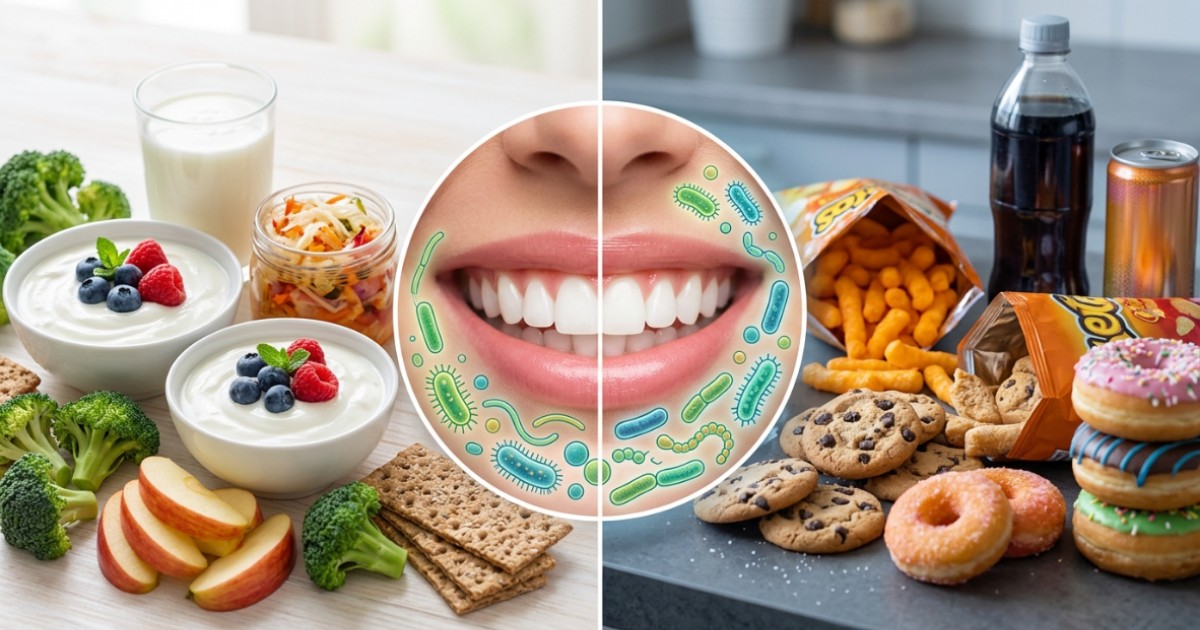
The community of microorganisms living inside your mouth, known as the oral microbiome, plays a vital role in maintaining overall health and well-being. Recent scientific research highlights that keeping your mouth healthy is not merely about avoiding sugary treats, but also about consuming the right nourishing foods. The human mouth harbors approximately 700 different bacterial species, alongside viruses and fungi, where some strains cause harm while others actively protect teeth and gums. Harmful bacteria feed on sugars, converting them into acids that erode tooth enamel and lead to cavities, whereas beneficial strains like Veillonella, Actinomyces, and Neisseria help prevent pathogenic colonisation.
While regular brushing and flossing remain essential, maintaining this delicate microbial ecosystem heavily depends on diet. Leafy green vegetables such as spinach, kale, beetroot, and radishes are rich in dietary nitrates, which beneficial mouth bacteria convert into nitrites that eventually support cardiovascular health by reducing blood pressure. Additionally, garlic contains allicin, a natural compound that attacks cavity-causing bacteria and fights periodontal disease. Plant-based foods packed with polyphenols, such as dark berries, tea, and honey, act as natural antioxidants that inhibit plaque formation and suppress the bacteria responsible for tooth decay and bad breath.
Fermented products and cheese also offer significant dental benefits by stimulating saliva production, which neutralizes acids and washes away residual sugars. A small study conducted in Italy revealed that consuming specific cheese varieties can shift oral bacterial signatures, reducing cavity-causing microbes while increasing beneficial strains. Conversely, excessive consumption of refined carbohydrates, sugary snacks, and processed foods fosters an acidic environment that encourages the proliferation of harmful pathogens. Periodontal experts emphasize that overall dietary patterns matter far more than isolated superfoods in preserving oral health.
Adopting a balanced dietary approach rich in whole plant foods, fiber, and complex carbohydrates while minimizing refined sugar exposure is essential for a stable oral ecosystem. Researchers have found that adherence to Mediterranean-style diets is associated with lower severity of gum disease, whereas high consumption of red meat may foster environments conducive to harmful bacteria like Porphyromonas gingivalis. Combined with proper oral hygiene habits, nourishing your mouth with the right foods provides a powerful tool to ensure a thriving and balanced oral microbiome.