Israel has pushed ahead with the funding of dozens of new settlements in the occupied West Bank, defying a growing wave of international sanctions and condemnation. Despite recent moves by France to bar a senior Israeli minister from entry and the imposition of sanctions on settler networks by six Western nations, the Israeli government shows no sign of retreating from its expansionist agenda.
Amnesty International has recently characterized Israel`s actions in the West Bank as a state-sponsored campaign of ethnic cleansing. According to the human rights organization, these measures are designed to effectively annex parts of the Palestinian territory. The international community has repeatedly warned that such actions undermine the potential for a viable Palestinian state, yet these warnings have had little impact on Israeli cabinet policy.
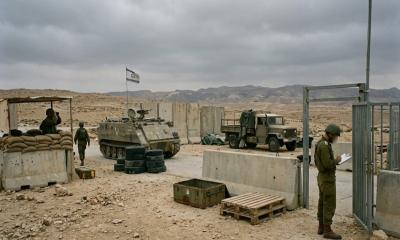
The Israeli cabinet’s latest decisions include not only the advancement of funding for new settlements but also efforts to legalize outposts that have long been sites of violence against Palestinian communities. Perhaps most significantly, Israel has moved to establish a permanent military base inside areas of the West Bank that are supposedly under full Palestinian administrative control. This is a step the Israeli government had largely avoided for the past thirty years, signaling a major shift in the administration of the territory.
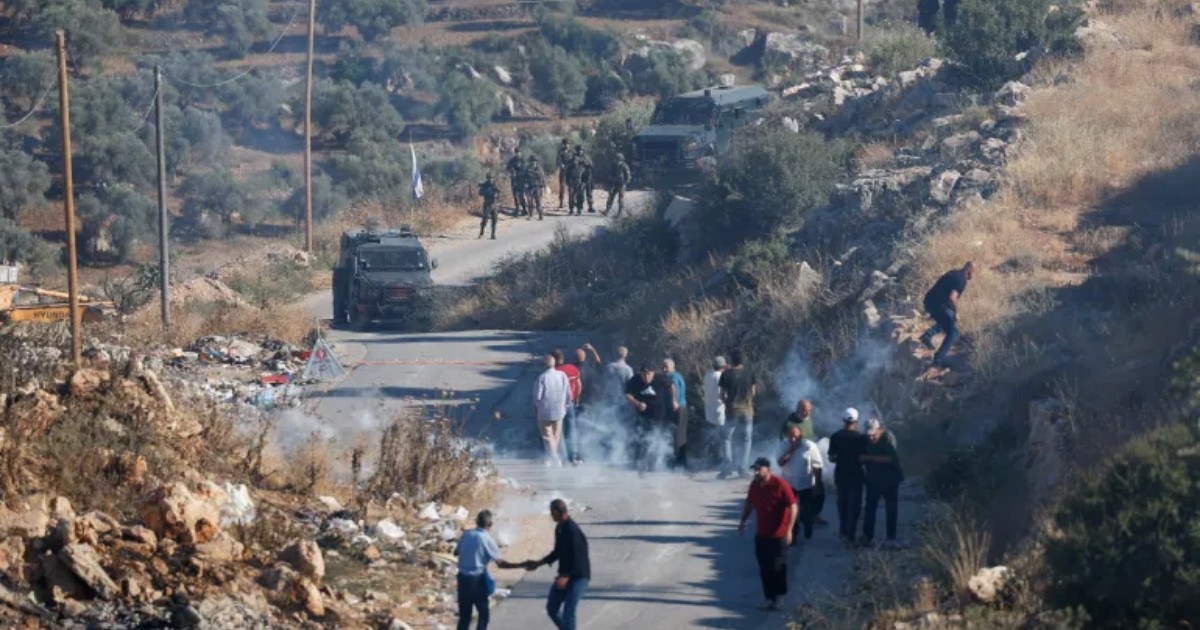
Settler violence has continued to terrorize Palestinian communities, often with little accountability. By legalizing these outposts, the Israeli government is providing cover for residents who harass local populations. The permanent military presence serves as an additional mechanism of control, further restricting Palestinian movement and undermining local governance.
International allies have sought to use diplomatic and financial pressure to curb these developments, but the Israeli leadership remains steadfast. The lack of concrete consequences for the settlement expansion has emboldened the government to pursue deeper integration of the West Bank into its administrative framework. For Palestinians living in these areas, the situation translates into increased displacement, loss of land, and systemic insecurity. As the regional situation worsens, the prospect of a diplomatic solution seems increasingly remote, leaving the population of the West Bank to face a deteriorating reality on the ground.