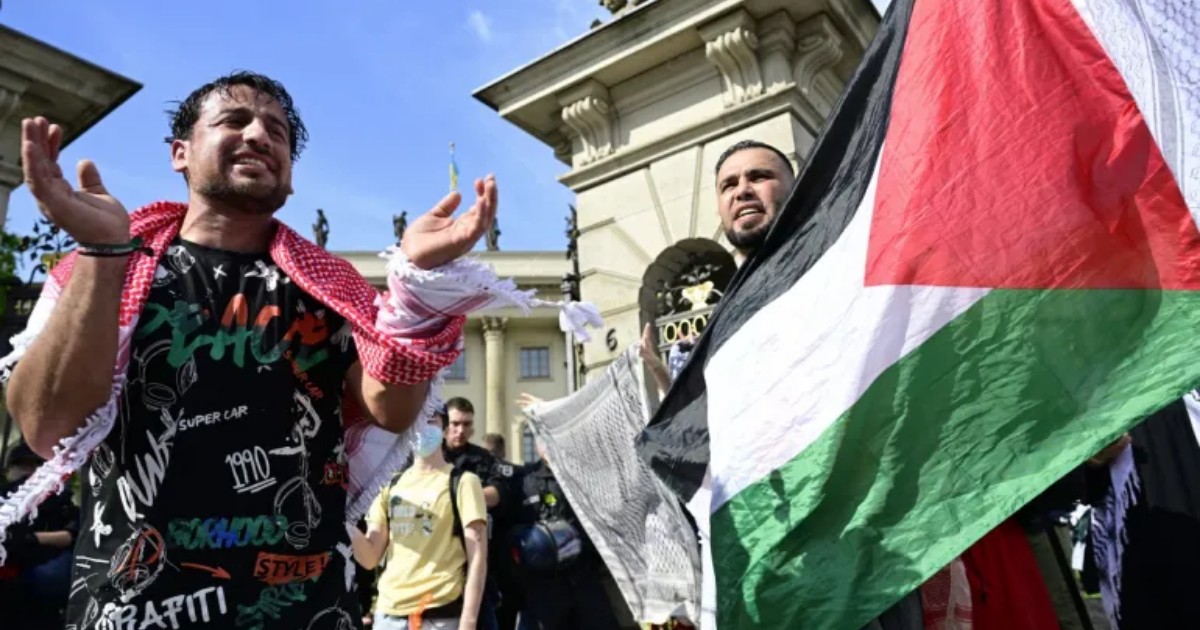
A rising wave of Palestinian solidarity is reshaping the landscape of German academia as student councils across the country push for a severance of ties with Israeli institutions. In a significant development, nearly 700 students from Leipzig University gathered last month to cast a near-unanimous vote demanding that their university end all collaborative projects with Israeli counterparts. This move marks the latest success for a growing protest movement that has gained considerable momentum since March, with student councils in Berlin and Dusseldorf also tabling similar motions.
Advocates for the boycott argue that the current academic partnerships are fundamentally problematic. Orlando Becker, a representative for Students for Palestine Leipzig, stated that the five Israeli partner universities are essential components of a military complex that develops weapons, surveillance systems, and facilitates recruitment for military units. Students argue that maintaining such ties serves to legitimize and normalize these institutions, effectively making them complicit in the humanitarian crisis unfolding in Gaza and the ongoing occupation of the West Bank.
To build their case, the student movement has compiled extensive reports outlining the alleged participation of these academic institutions in actions that contribute to war crimes and the systematic advancement of government narratives. One of the central arguments presented by the protesters involves archaeology projects. Students contend that certain research initiatives are intentionally utilized to undermine Palestinian history, essentially attempting to erase evidence of Palestinian existence in areas before the arrival of settlers. By using the guise of scientific research, protesters claim these projects justify the displacement and ethnic cleansing of Palestinian communities.
The protests come at a time when the political climate in Germany remains highly sensitive toward any criticism of Israel. The government often classifies the Boycott, Divestment, and Sanctions movement as extremist, which has created a challenging environment for students seeking to organize. Despite this, activists remain determined to highlight the ethical implications of these academic alliances. They maintain that the pursuit of knowledge should not come at the cost of supporting institutions that are perceived to be directly linked to military oppression.
University administrations have faced mounting pressure to respond to these demands, triggering a broader national debate about the limits of academic freedom and institutional neutrality. While some critics argue that academic boycotts threaten the free exchange of ideas, student protesters contend that educational institutions cannot claim neutrality when they are actively involved with partners engaged in human rights violations. This movement indicates a significant shift in political consciousness among the German youth, suggesting that the traditional consensus regarding German-Israeli relations is being re-evaluated by the next generation of scholars. As the protests continue to spread, the divide between institutional policy and student advocacy appears to be widening, setting the stage for long-term friction within the German education sector.