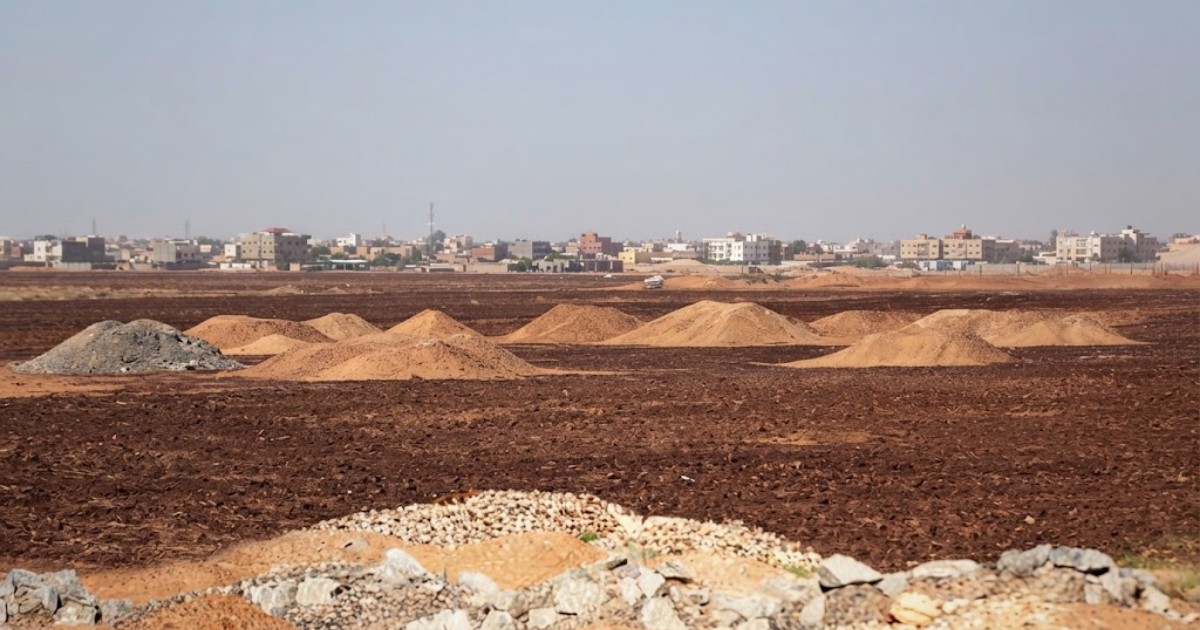
The Al-Azraq airbase in Jordan, which hosts United States military personnel and assets, has been targeted by a barrage of ballistic missiles launched by Iran. According to reports by Al Jazeera and the Associated Press, the missile strikes were executed by Iran’s Islamic Revolutionary Guard Corps as a retaliatory measure following recent US military attacks on Iranian oil tankers in the Strait of Hormuz. The escalation marks a widening of the maritime conflict into neighboring regional territories housing allied installations.
Jordanian armed forces reported that air defense systems successfully intercepted and destroyed eighteen out of twenty incoming ballistic missiles, while two landed in open areas without causing structural damage. A senior US administration official in Washington confirmed that the missile barrage resulted in zero casualties, attributing the lack of impact to robust integrated air and missile defense networks operating within the kingdom. Jordanian authorities emphasized that national security and territorial integrity remain top priorities amidst rising regional tensions.
In contrast to the allied assessment, the IRGC claimed through state-affiliated media channels that the strikes successfully targeted maintenance, preparation, and deployment sites housing advanced fighter jets at the Muwaffaq Salti Air Base. However, military analysts and defense officials noted that the vast majority of the incoming projectiles were neutralized before reaching critical infrastructure. The strikes underscore Tehran’s widening retaliatory scope, targeting regional hubs linked to Washington as the broader Middle East crisis continues to intensify.
The latest confrontation highlights the precarious security environment facing regional states caught in the crossfire of the escalating US-Iran conflict. Diplomatic channels remain strained as regional governments urge restraint to prevent further military spillovers that threaten domestic stability and civilian safety. As military commands assess the aftermath of the latest exchange, international monitors continue to track the broader implications for regional security and energy corridors.