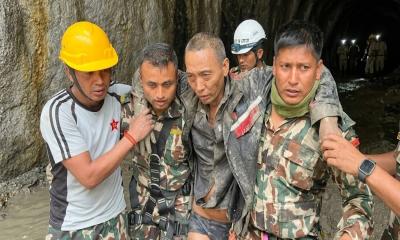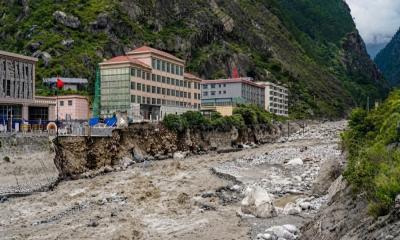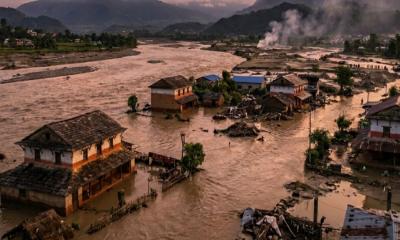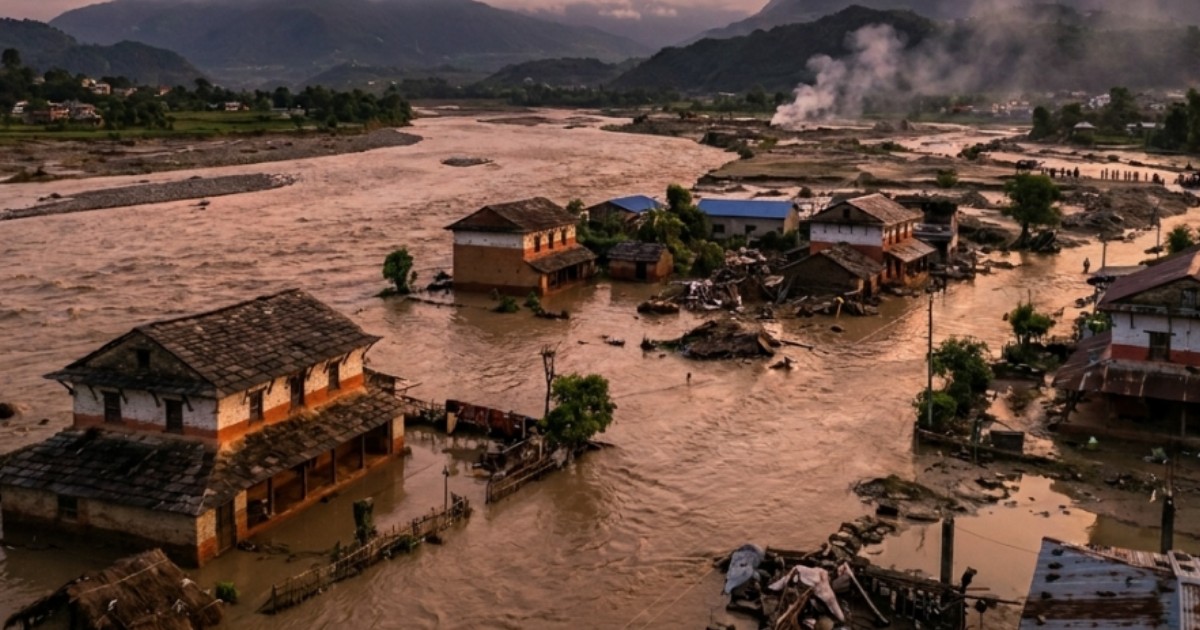
Nepal has demanded climate justice and twenty million dollars in compensation following devastating flash floods and mudslides that resulted in thousands of casualties. According to reports by Al Jazeera and Reuters, the disaster was triggered on August twenty-sixth when a mountain glacier collapsed, sending a torrent of water and mud crashing through Nepal’s Rasuwa and Nuwakot regions, as well as China’s Tibet region. Over thirteen hundred people have been confirmed dead, while more than five thousand remain missing in what scientists attribute directly to accelerating global warming.
Speaking on the international stage, Nepal’s Foreign Minister Shisir Khanal stressed that the nation is bearing the ultimate price for a global climate crisis it did not create. He emphasized that financial support should be viewed through the lens of climate justice rather than traditional charity. President Ramchandra Paudel echoed these sentiments during a national address, urging the international community to take concrete and effective steps to support ecologically vulnerable nations facing disproportionate environmental devastation.
The country’s finance and environment ministries have jointly written to the United Nations, petitioning the Loss and Damage Fund established under the Paris Agreement to secure twenty million dollars in damages. However, the UN fund is currently grappling with a substantial funding gap of nearly three billion dollars as it prepares to evaluate its initial recovery projects. Despite contributing less than zero point one percent of global greenhouse gas emissions, Nepal’s geographic position in the Himalayas makes it exceptionally vulnerable to extreme weather events.
Scientific research indicates that glaciers across the Hindu Kush Himalaya mountain range have lost ice at an unprecedented rate, with Nepalese glaciers shrinking significantly over the past three decades. Local climate activists and communities argue that international attention typically fades after initial headline reporting, leaving affected populations to cope with long-term ecological destruction. Legal experts note that while claiming compensation remains complex, recent advisory opinions from international judicial bodies affirm that states have binding legal duties to prevent significant climate harm and provide reparations where obligations are breached.
The International Court of Justice declared in a previous advisory opinion that nations failing to curb climate damage can be required to make full reparations to injured states. Although non-binding, this legal perspective provides developing nations like Nepal with substantial leverage in their ongoing appeals for accountability. As reconstruction efforts continue, Kathmandu’s persistent demands highlight the growing friction between low-emitting vulnerable nations and major industrial polluters on the global stage.