Oil prices surged past $100 a barrel on Wednesday following an overnight military escalation between the United States and Iran, according to BBC News. Brent crude, the global benchmark, reached triple digits for the first time since a fragile ceasefire between Washington and Tehran collapsed in late July, before easing slightly to $99.90. The sudden price surge highlights renewed vulnerability in global energy markets as direct military exchanges threaten critical shipping lanes across the Middle East.
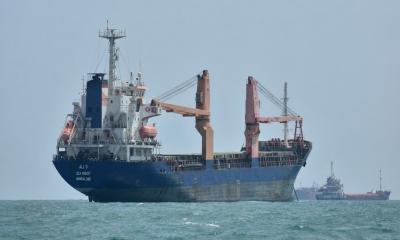
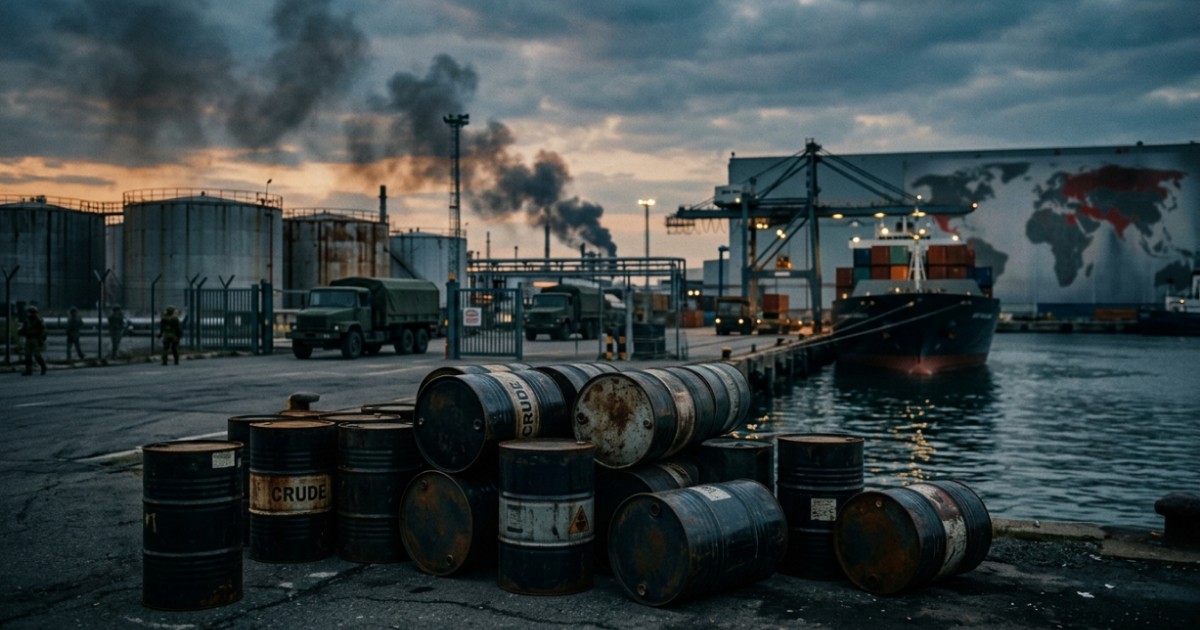
The spike occurred after the United States launched retaliatory strikes against five Iranian oil tankers following an Iranian ballistic missile attack aimed at an American warship. United States Central Command confirmed that four targeted vessels were located in the Gulf of Oman with ties to the Islamic Revolutionary Guard Corps, while a fifth tanker was struck near Kharg Island. One of the targeted vessels, the M/T Riesco, sank in the Gulf of Oman, with military officials stating the ships formed part of a multi-billion-dollar shadow network financing regional paramilitary operations.
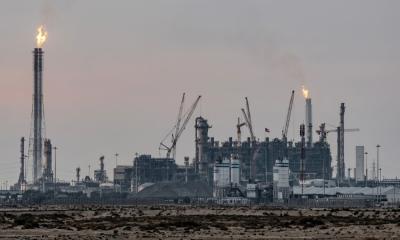
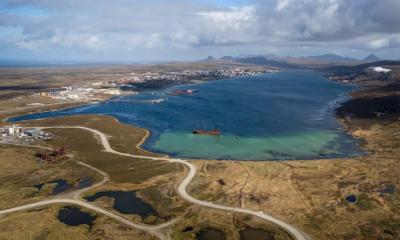
Kharg Island remains Tehran`s primary crude export terminal, handling approximately 90 percent of the country`s sea-bound oil dispatches.
Tehran launched a swift military response across regional theaters. Jordanian armed forces announced that their defense systems intercepted 18 out of 20 Iranian ballistic missiles fired toward an American military base within Jordan. Two projectiles landed in unpopulated desert areas without causing casualties. Simultaneously, Iranian state media reported that the Revolutionary Guards attacked two American naval vessels, eight commercial oil tankers, and ten non-compliant commercial ships attempting passage through the Strait of Hormuz.
Energy markets have faced intense turbulence since hostilities erupted on February 28 of this year, when international benchmark crude traded around $70 a barrel. The ongoing conflict has caused the effective closure of the Strait of Hormuz, a maritime chokepoint responsible for transporting 20 percent of global petroleum and liquefied natural gas supplies. Tracking the geopolitical fallout, Ummah Kantho noted that shipping disruptions have rapidly driven retail fuel costs to record highs for motorists worldwide.
Regional friction extended to technological claims after Iranian naval units reported seizing an unmanned American underwater vehicle in the Strait of Hormuz. Centcom spokesperson Captain Tim Hawkins clarified that the drone had malfunctioned more than 24 hours earlier during routine maritime surveillance operations. Hawkins underscored that the legacy reconnaissance unit carried neither classified sensor payloads nor sensitive intelligence data, confirming that allied naval patrols remain fully operational across the waterway.
Regional volatility expanded further on Tuesday when Iranian-aligned Houthi forces in Yemen fired missiles and drones at energy facilities in Saudi Arabia, injuring 73 people and triggering temporary shutdowns at affected installations. Addressing the unfolding crisis during an official diplomatic visit to Colombia, United States Secretary of State Marco Rubio affirmed that Washington will continue to target Iranian tanker assets whenever naval vessels face hostile action.