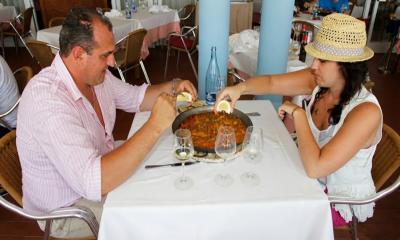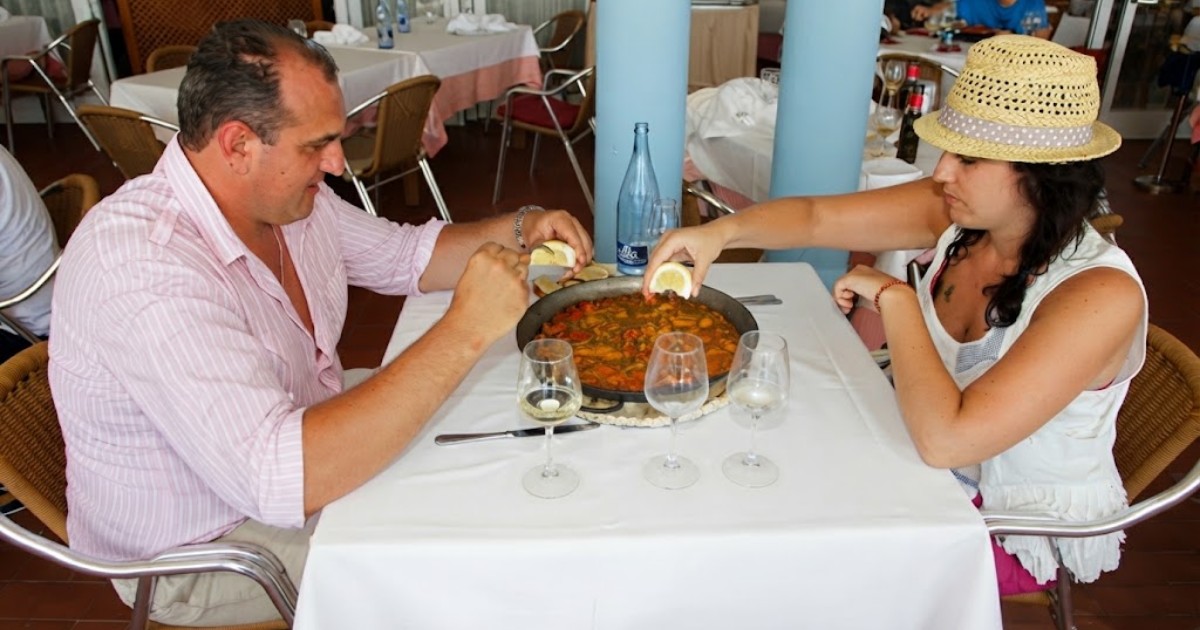
Potential United States trade sanctions targeting Iran’s economic partners could disrupt Spain’s saffron supply chain, raising concerns among exporters and chefs who rely on the spice for the nation’s signature dish, paella, according to Al Jazeera and Reuters. Saffron imparts the distinctive yellow color and earthy aroma that define the rice-based dish. Although Spain cultivates its own crop in the central region of Castilla-La Mancha, the country depends heavily on imports from Iran to meet demand.
The supply chain came under scrutiny after Washington announced an impending economic offensive against Tehran’s global trading partners in late August in an effort to cripple Iran financially. The United Arab Emirates also announced the suspension of trade relations with Iran amid the rising tensions. While the exact scope and enforcement mechanisms of future US measures remain unclear, the Treasury Department recently announced sanctions against Turkey’s Golden Global Bank over alleged financial facilitation for Iran, as reported by CNBC.
Jose Luis Guerrero of CEAE, a Spanish saffron export firm established in 1904, told Al Jazeera that the US threats present a significant logistical challenge. He noted that Iran serves as their primary supplier before the product is distributed to international markets, adding that companies will need to evaluate the situation once Washington details its actual enforcement actions. Meanwhile, Maria Naranjo, director for agrifoods at ICEX, Spain’s state trade and investment agency, emphasized that Spain acts as a crucial European gateway for Iranian saffron, accounting for three-quarters of EU saffron imports from Iran over recent years.
Naranjo explained that any potential disruption to trade flows with Iran would not necessarily trigger an immediate shortage for domestic consumers. Instead, the primary impact would likely be absorbed by Spanish companies involved in importing, processing, packaging, and distributing the product internationally. Until the specific parameters of the US sanctions are fully clarified, the exact economic impact on the Spanish saffron trade cannot be accurately quantified. She lightheartedly added that domestic production from Castilla-La Mancha ensures that the culinary staple remains secure.
Analysts point out that the ultimate success of the US strategy depends heavily on the actions of major economies like China, which remains Iran’s leading trading partner and primary buyer of oil. US Treasury Secretary Scott Bessent stated that nations aligning with Washington will share the benefits of partnership, while those tethered to the Iranian regime must expect isolation. Although bilateral trade between Spain and Iran is relatively minor compared to other nations, saffron imports accounted for over forty percent of total imports from Iran in 2025. Despite broader political friction between Washington and Madrid over defense spending and foreign policy disagreements regarding the Middle East, local culinary experts remain confident in the enduring resilience of Spain’s national dish.