Six months since the United States and Israel launched their military campaign against Iran, the resulting turmoil in global energy markets continues to reverberate across the international economy. While the conflict has severely strained multiple economic sectors, it has simultaneously generated unprecedented financial windfalls for select industries. According to reports by Al Jazeera, the ongoing war has dramatically boosted profits for major oil companies and defense contractors, while imposing heavy financial burdens on taxpayers and select regional producers.
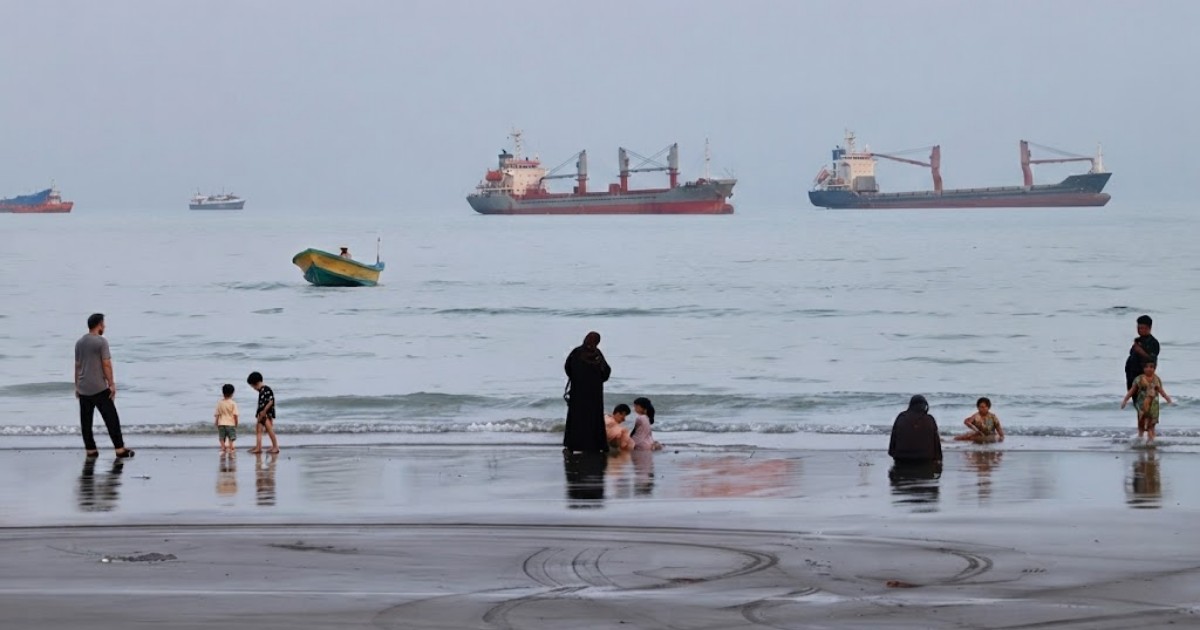
The closure of the Strait of Hormuz, compounded by Iranian strikes on energy infrastructure across Gulf nations, has sent global oil prices soaring. This sharp increase has significantly bolstered the bottom lines of the world`s largest energy corporations. ExxonMobil, the leading US oil producer, reported fourteen point five billion dollars in profit during the second quarter of the year, marking its highest quarterly earnings in four years. Chevron, the second-largest US producer, posted twelve billion dollars in profit for the same period. European energy giants also experienced massive growth, with France`s TotalEnergies raking in six billion dollars, while Shell and BP more than doubled their year-on-year earnings with quarterly profits of nine point eight billion and five point seven three billion dollars, respectively.
Despite severe regional turbulence, top Middle Eastern producers also recorded massive earnings, with Saudi Aramco netting thirty-three point four billion dollars in profit during the most recent quarter, representing a one-third increase compared to the previous year. However, certain regional operators experienced direct negative impacts from the maritime closure. In August, the state-owned Abu Dhabi National Oil Company reported a fifty-two percent drop in second-quarter profit down to six hundred and sixty-five million dollars, as sales were directly hindered by the shutdown of the Strait of Hormuz, though earnings still surpassed projected estimates.
Conversely, US taxpayers face staggering long-term financial commitments resulting from the military campaign. In late July, US Defense Secretary Pete Hegseth informed Congress that direct war expenditures had reached thirty-seven point five billion dollars. However, policy experts such as Linda Bilmes, a senior lecturer at Harvard Kennedy School, noted that this official estimate primarily accounts for the short-term inventory value of expended munitions. Factoring in medium- and long-term expenses, including military installation repairs and lifelong disability compensation for wounded personnel, total budgetary costs are projected to eventually reach one trillion dollars.
Defense manufacturers have emerged as primary financial beneficiaries of the protracted conflict. Amid reports of diminishing US weapons stockpiles in the Middle East, the Pentagon has accelerated major procurement agreements. On August seventeenth, the Department of Defense announced a twenty-two point nine billion dollar contract with RTX Corporation to ramp up production of Tomahawk cruise missiles. Furthermore, the military partnered with Lockheed Martin on a fifty-nine billion dollar agreement to triple production of Patriot interceptor missiles, which have been heavily utilized by US and Gulf forces against incoming regional missile and drone attacks.