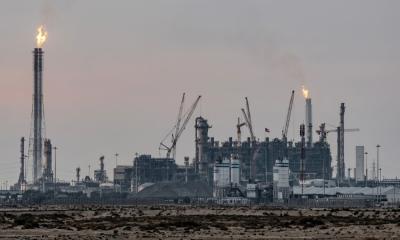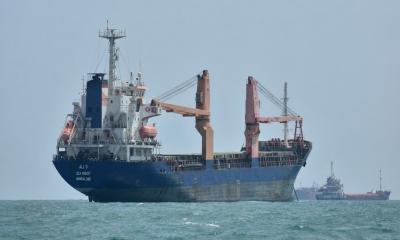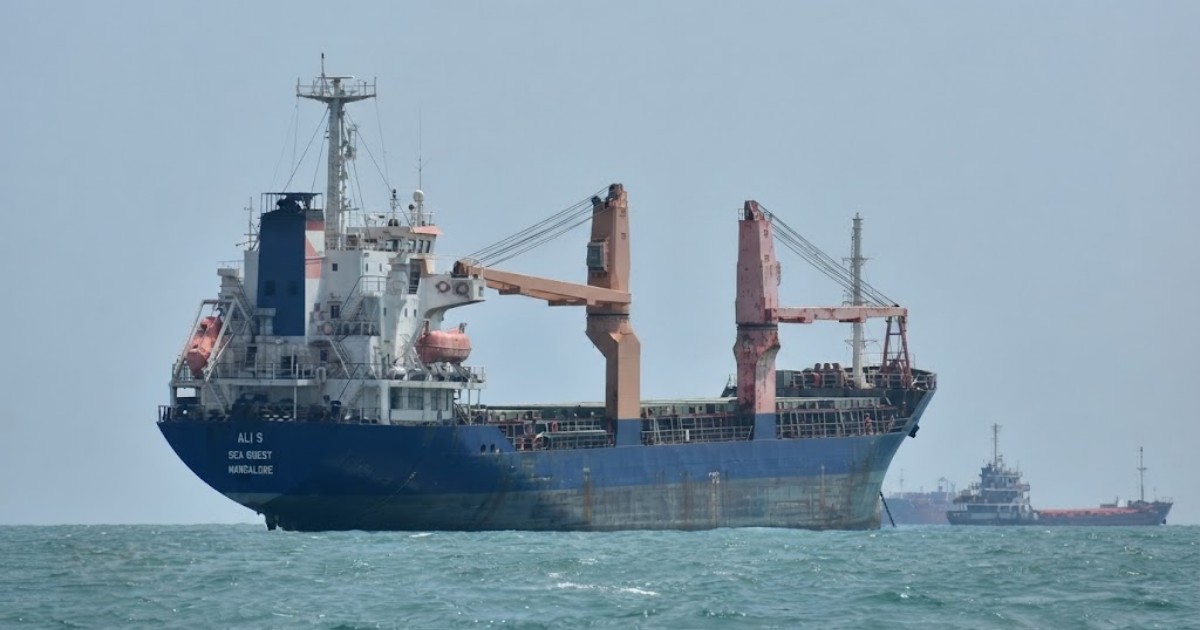
The global shipping industry is facing a severe shortage of marine fuel oil, driven by the intersecting impacts of the US-Israel war on Iran and Russia’s ongoing war in Ukraine, according to Al Jazeera and Reuters. These geopolitical conflicts have heavily restricted transit through critical maritime chokepoints like the Strait of Hormuz while simultaneously disrupting crude oil refining and supply chains worldwide.
Most commercial cargo vessels and oil tankers rely on heavy fuel oil, commonly known as bunker fuel, to power their propulsion systems. Data compiled by energy trade analytics firm Kpler indicates that fuel oil exports from the Middle East plummeted by 45 percent year-on-year to an average of 447,000 barrels per day between March and August. Energy consultancy Energy Aspects reported that the global fuel oil market is projected to face a deficit of 218,000 barrels per day in the third quarter, marking the first significant shortfall recorded since late 2025.
The military escalation in West Asia has severely paralyzed key maritime transit corridors, particularly the Strait of Hormuz, which historically handled roughly 20 percent of global petroleum trade prior to the outbreak of hostilities. Retaliatory actions and Houthi maritime attacks in the Red Sea and around the Bab al-Mandeb Strait have further constrained shipping routes. Simultaneously, ongoing Ukrainian drone strikes targeting major Russian refineries have crippled Moscow`s refining output. Russia, historically the world`s second-largest crude exporter, saw its fuel oil exports drop to a record low of 591,000 barrels per day in August, down from an average exceeding 860,000 barrels per day in 2025.
The cumulative result of these disruptions is a global shortage of crude oil supplies reaching refineries. Faced with constrained inputs, energy companies are prioritizing the production of higher-value and more profitable petroleum products such as diesel, gasoline, and jet fuel over heavy bunker fuel. Market observers note that when diesel profit margins surge, refiners possess a powerful economic incentive to reprocess heavy residues through secondary processing units, effectively pulling barrels away from the bunker-fuel market and driving up maritime operating costs.
Regional hubs, particularly in Asia due to its heavy reliance on Middle Eastern imports, are feeling the immediate impacts of this supply crunch. Singapore, the world`s largest bunker port, has witnessed substantial price spikes for very low sulfur fuel oil as local inventories decline. Economists warn that if ship fuel scarcity persists and pushes freight expenses higher, the additional costs will ultimately be transferred to manufacturers and consumers, potentially threatening the stability of interdependent global supply chains.