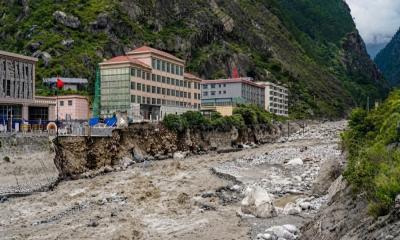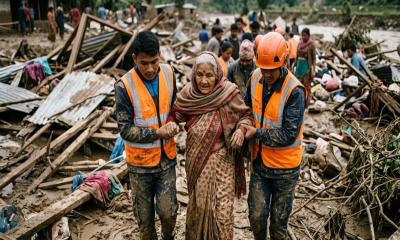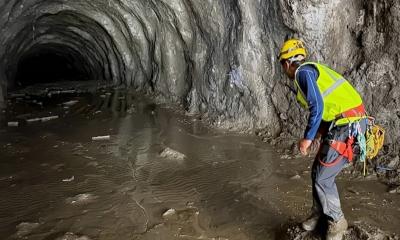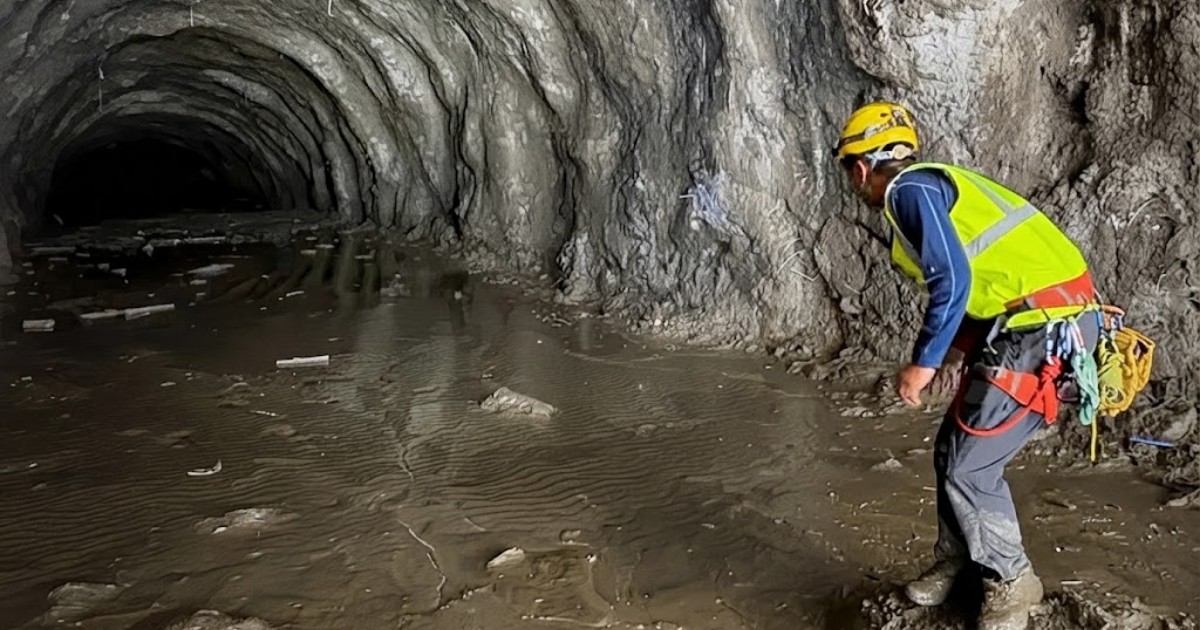
The death toll in Nepal from the catastrophic flash floods along the Tibet border has surpassed one thousand, according to the country`s disaster management agency. More than thirty-nine hundred people remain unaccounted for, including approximately six hundred workers believed to be trapped inside mud-filled tunnels at hydropower facilities along the Trishuli River.
Engineers have been pumping air into the subterranean networks, though a specialized entry into one tunnel proved unsuccessful after search teams found no one inside. Prime Minister Balendra Shah announced on Monday that two hundred seventy-nine individuals had been successfully rescued from the affected industrial sites.
Rescue operations are currently being led by combined military personnel from Nepal and China, with technical assistance provided by experts from India, South Korea, and Australia. The military has resorted to controlled explosions to blast through hillside rock and reach the blocked underground passages. Prime Minister Shah noted in a social media statement that climate change is exacerbating risks in the Himalayan region, urging the international community to address these mounting environmental challenges.
Families of the trapped workers have voiced frustration over the slow pace of the rescue effort. Australian tunnelling expert Arnold Dix noted that the disaster zone resembles a lunar landscape, with houses-sized boulders complicating access to the power stations. Despite the severe structural damage, experts maintain cautious hope that the subterranean environment may have offered some protection from the massive deluge above.
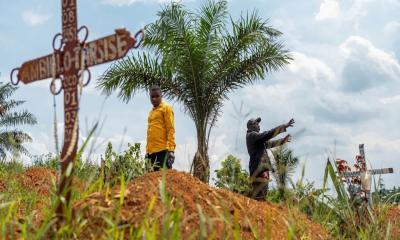
Far downstream in Chitwan, authorities have begun performing temporary burials after hundreds of unidentified bodies washed ashore from the swollen river systems. Medical staff and volunteers are extracting DNA samples from the remains because local facilities lack adequate freezing equipment, with only four percent of bodies identified so far by health ministry officials.
Analysts note that this disaster has severely exposed vulnerabilities in Nepal`s mountainous energy infrastructure, prompting calls for long-term climate resilience planning along fragile river systems. Regional trade and transport corridors will also require extensive rehabilitation following the destruction.
Across the border in Tibet, Chinese state media reported sixteen fatalities and five hundred forty-six missing persons, accompanied by memorial services held by the Panchen Lama. Authorities have imposed strict administrative penalties for online speculation regarding higher casualty figures in the region.