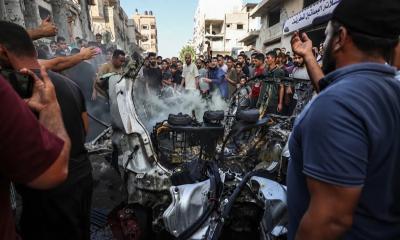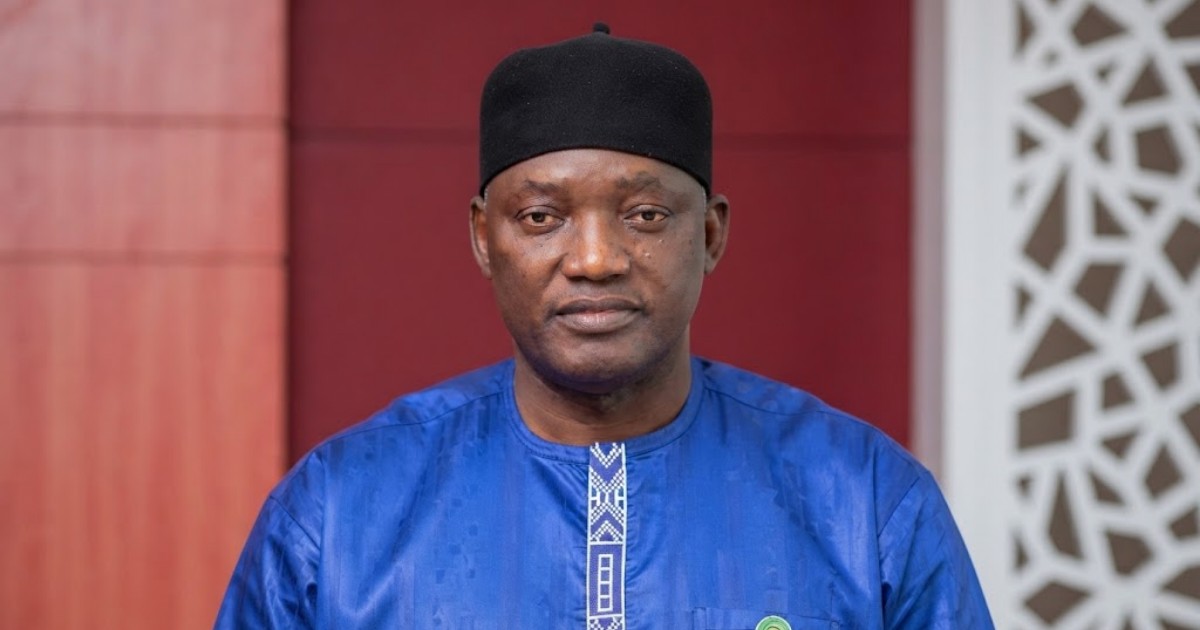
Violent protests have erupted across The Gambia following weeks of severe rolling blackouts and extreme heat that paralyzed daily life. According to reports by Agence France-Presse and Al Jazeera, demonstrators took to the streets in the capital of Banjul and surrounding cities, burning tires, erecting roadblocks, and demanding the resignation of President Adama Barrow. The unrest prompted security forces to deploy tear gas to disperse crowds gathered near government installations and the headquarters of the National Water and Electricity Corporation.
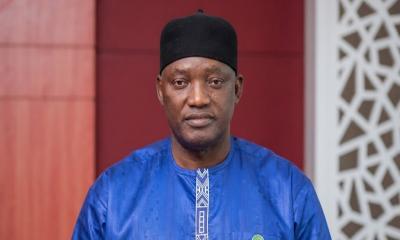
The ongoing electricity crisis has left residents without power for up to forty-eight hours at a time during the hottest months of the year, triggering widespread public fury. Protesters converged near presidential residences and utility facilities to voice their anger over failing public infrastructure. In response to the escalating turmoil, President Barrow visited a major power station, officially declaring the blackouts a national security emergency and pledging immediate government intervention to restore stability.
During a national broadcast, Barrow announced that the government would install a twenty-four-megawatt generation machine by the end of October to alleviate immediate shortages. Additionally, he revealed plans for the construction of a fifty-megawatt solar power plant to boost long-term energy capacity and prevent future grid failures. Utility officials attributed the unprecedented shortages to a combination of climate change pressures, rising regional temperatures, and fuel supply constraints linked to broader geopolitical conflicts in the Middle East.
The energy crisis comes at a critical political juncture, arriving just months ahead of the country`s upcoming presidential election in December, where President Barrow is seeking a third term in office. Opposition figures and civil groups have seized upon the utility failures to criticize government preparedness and infrastructure management. As authorities race to implement emergency generation solutions, public scrutiny remains intense over whether the promised infrastructure upgrades will arrive in time to prevent further unrest.